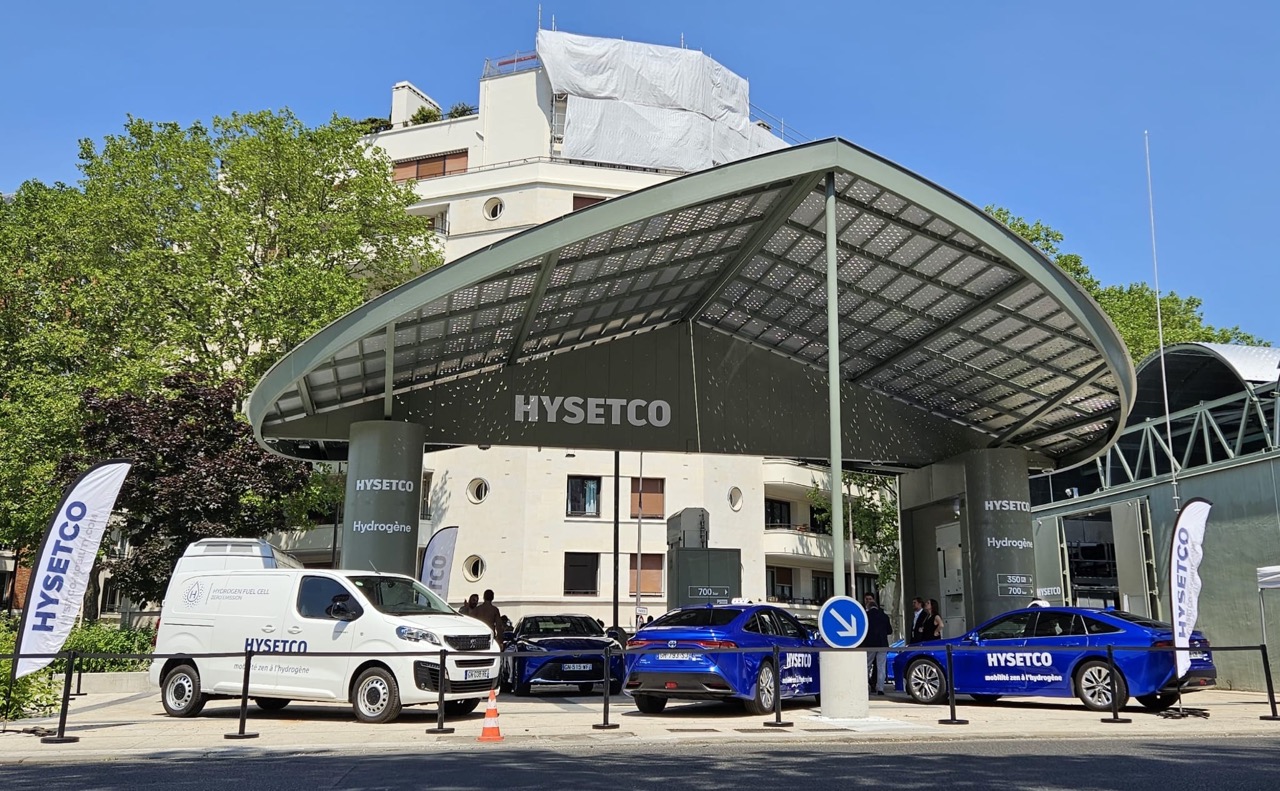
Are EV Charging Stations Universal Like Gas Stations? A Complete Guide
As electric vehicles (EVs) become increasingly popular for daily commuting and city driving, one question keeps popping up: Can you pull up to any charging station with any EV and charge, just like you would at a gas station? The short answer is: not quite—but the situation is improving rapidly.
Let’s break it down.
1. The Charging Plug Puzzle
Unlike gas stations, which have largely standardized fuel types (e.g., unleaded, diesel, E85), EVs face a variety of plug types and charging protocols. In the U.S., the main fast-charging connectors are:
- NACS (North American Charging Standard / Tesla plug) – Tesla’s proprietary connector, now being adopted by other automakers starting with 2025 models.
- CCS (Combined Charging System) – Widely used by most non-Tesla vehicles. Think Ford Mach-E, VW ID.4, and Hyundai Ioniq 5.
- CHAdeMO – Primarily for older Japanese EVs like the Nissan Leaf; slowly being phased out in favor of CCS.
For slower Level 2 AC charging, most EVs use J1772, which is nearly universal in North America. Tesla owners simply use an adapter to charge on these slower networks.
Key takeaway: If your EV has a CCS or NACS port, you can eventually charge at nearly every station—but adapters are still needed in some cases.
2. Tesla Superchargers and the NACS Transition
Tesla has historically used its own network and connector, meaning other brands couldn’t charge there. However, starting in 2025:
- Major automakers are moving to the NACS plug, standardizing fast-charging across the U.S.
- Tesla is gradually opening its Supercharger network to other brands. For example, Ford and Rivian vehicles can now access most Superchargers with their adapters.
- Adapters exist both ways: CCS cars can use Tesla chargers equipped with “Magic Dock” adapters, while NACS vehicles can use CCS chargers with the proper plug.
Implication for buyers: If you’re considering a Ford Mach-E or another non-Tesla EV, access to fast chargers is improving, but some stations—particularly older Tesla-only stalls—may still be off-limits.
3. Charging Apps vs. Gas Pumps
Another difference from traditional fueling: payment. At a gas station, you can swipe a card or pay cash. EV charging often requires:
- A network account (ChargePoint, Electrify America, EVgo, etc.)
- A smartphone app to start the session or handle payments
- Some newer chargers now accept tap-to-pay or credit cards, but it isn’t universal yet
So even if you have the right plug, a little planning is necessary—especially if you’re traveling out of your usual area. Apps like PlugShare or ABRP (A Better Route Planner) are essential for checking charger availability, compatibility, and functionality.
4. Home Charging: The Real Convenience
The good news for daily commuters: over 90% of EV charging happens at home. A Level 2 charger in your garage provides all the energy most drivers need for commuting, errands, and short trips. Public chargers are primarily for:
- Road trips requiring fast DC charging
- Situations where home charging isn’t available (e.g., apartments, shared housing)
If you have a home charger, the public network is just a safety net—meaning the complexity of plugs and apps only affects that rare 1–2% of your charging needs.
5. Europe vs. North America
Europe has largely standardized EV charging:
- Most fast chargers use CCS2
- Older Nissan Leafs still require CHAdeMO
- Payment systems vary, but plugs themselves are mostly universal
North America, by contrast, experienced a “format war” between Tesla (NACS), CCS, and CHAdeMO. Tesla ultimately won market influence, and the NACS adoption across automakers is streamlining things.
6. Should This Affect Your Purchase?
For someone buying an EV for commuting and around-town use, the current situation should not be a dealbreaker:
- A Tesla will charge almost anywhere, especially with adapters for CCS stations
- A Ford Mach-E or Rivian EV can access most Superchargers and CCS chargers with an adapter
- Home charging covers the majority of your energy needs
Adapters are temporary inconveniences rather than blockers. By 2025, when NACS becomes the standard, the EV landscape in North America will resemble the simplicity of gas stations in terms of plug compatibility.
7. Practical Tips for Buyers
- Check Plug Compatibility: Use your prospective EV’s connector type (CCS or NACS) to filter chargers on PlugShare.
- Download Necessary Apps: ChargePoint, Electrify America, EVgo, and Tesla apps cover the majority of public chargers.
- Consider Adapters: A CCS-to-NACS or NACS-to-CCS adapter ensures access to nearly all stations.
- Plan for Road Trips: Fast chargers vary in power (50–350kW), so longer trips may require a little more planning.
- Home Charger First: Install a Level 2 charger at home to cover daily commuting.
Bottom Line
EV charging is not yet as universally simple as gasoline, but it’s rapidly improving. With home charging covering most needs and adapters bridging the gaps for public stations, you can confidently buy a modern EV today. By 2025, the North American charging network will be largely standardized around the Tesla (NACS) plug, making charging as straightforward as fueling a gas car.
FAQ: Are EV Charging Stations Universal Like Gas Stations?
1. Can I charge any EV at any charging station like I can with gasoline?
Short answer: No, not yet.
In the U.S., there are several connector types: NACS (Tesla), CCS, and CHAdeMO. Cars can use certain types, sometimes with adapters, but full universality isn’t here yet. In Europe, CCS2 is the standard, so most EVs can charge at almost any station.
2. What are NACS and CCS?
- NACS (North American Charging Standard): Tesla’s connector, which many automakers in the U.S. are adopting from 2025. Compact and efficient.
- CCS (Combined Charging System): The standard for most non-Tesla EVs. It combines AC (slow) and DC (fast) charging in one port.
- CHAdeMO: Older Japanese standard, mainly used by Nissan Leaf and some Mitsubishi models.
- J1772: AC/slow charging port used at home or public Level 2 chargers. All EVs can connect via adapters if needed.
3. What does it mean to “use an adapter”?
Some cars can charge at stations with a different plug using a physical adapter. For example:
- Tesla vehicles can use CCS chargers with an adapter.
- Ford and Rivian provide adapters to use Tesla Superchargers.
- Most non-Tesla EVs can use NACS stations once adapters are widely available.
4. Do I need multiple apps or accounts to charge?
Yes, sometimes. Charging stations may require:
- A network app (like ChargePoint, EVgo, Electrify America).
- A payment method registered in the app.
- Tap-to-pay or RFID cards at some locations.
Unlike gas stations, EV charging can require digital setup, though major networks are increasingly integrating “plug & charge” features for simplicity.
5. Is fast charging different from home charging?
Yes:
- Level 2 (AC): Slower, mostly used at home or workplaces. Nearly all cars can use J1772 plugs.
- DC Fast Charging (DCFC): Used on road trips. Requires compatible connectors (NACS, CCS, or CHAdeMO) and sometimes adapters. Charging times vary from 20–60 minutes depending on the station and car.
6. Are EVs ready for long road trips?
Mostly yes, but planning is needed:
- Apps like PlugShare or A Better Routeplanner (ABRP) help locate stations and filter by plug type.
- Some Tesla Superchargers still only support Tesla vehicles, though access is expanding to Ford, Rivian, and eventually other brands.
- For U.S. drivers, the shift to NACS as the standard by 2025 will simplify compatibility.
7. Should I worry about charging if I mostly drive locally?
Not much. 90–99% of EV charging happens at home, making daily commuting and town trips simple. Public fast charging is mainly needed for long trips or when home charging isn’t available.
8. What about international travel?
- Europe: Most EVs use CCS2, so charging is simpler.
- Japan/China: CHAdeMO or GB/T standards are common, so adapters or local-compatible EVs are required.
- U.S.-Canada border issues: Some apps and payment systems may not work seamlessly across borders.