The Future of In-Flight Connectivity: How Starlink is Revolutionizing Air Travel
In a world where being connected is just as essential at 35,000 feet as on the ground, SpaceX’s Starlink is carving a path towards unrivaled in-flight internet service. The recent buzz around major global airlines adopting Starlink’s technology marks a turning point for passenger experiences worldwide. This article explores how this partnership is setting new standards in aerial connectivity and what it means for travelers.
Why Starlink for Airlines?
Traditionally, in-flight internet has been notorious for its sluggishness and instability. Passengers have grown accustomed to inconsistent connections that barely support email, let alone streaming services or video calls. Enter Starlink, a formidable player in satellite internet technology, promising reliable, high-speed connectivity even at cruising altitudes. Starlink’s low-Earth orbit satellites enable faster speeds and lower latency compared to conventional geostationary satellites, making it an appealing choice for airlines looking to enhance passenger amenities.
The Airlines Leading the Charge
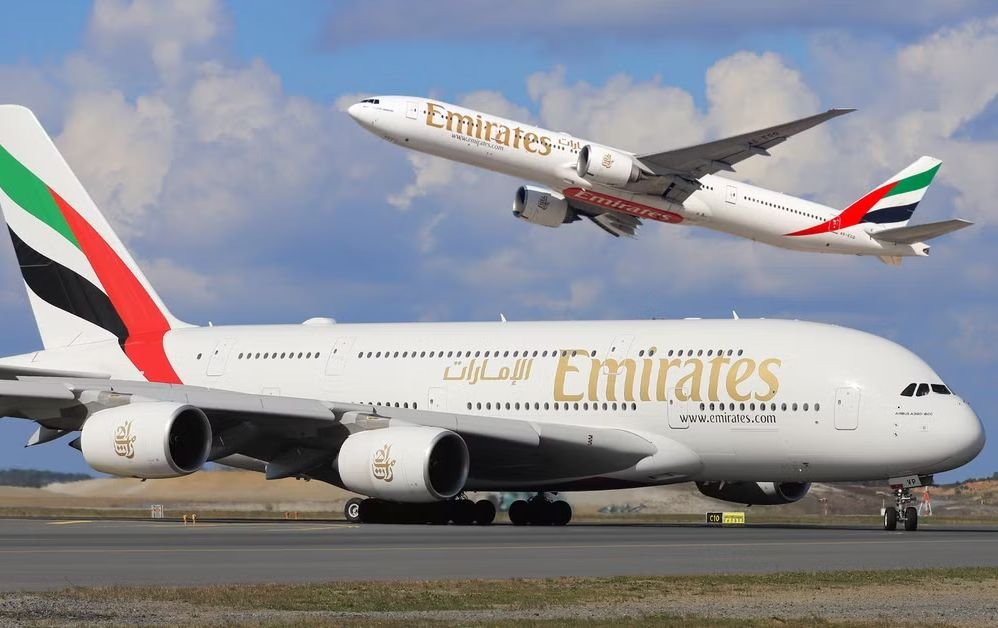
Several prominent airlines have either incorporated Starlink into their fleets or have contracts to do so. For instance, United Airlines and British Airways, along with Middle Eastern powerhouses Emirates and Qatar Airways, are at the forefront of this transformative shift. These airlines aim to deliver seamless internet access that will not only improve customer satisfaction but could also become a decisive factor in choosing an airline.
Meanwhile, Air France, Virgin Atlantic, and Scandinavian Airlines are also recognizing the strategic advantages of integrating cutting-edge technology to differentiate themselves in a competitive market. By prioritizing passenger connectivity, these airlines may secure their place as leaders in the airline industry’s digital age.
Implications for Passenger Experience
The integration of Starlink is set to redefine what passengers come to expect from flying. Beyond watching movies and listening to music, travelers can now engage in work-related activities, such as participating in video conferences and cloud collaboration, activities once constrained by inadequate in-flight networks. This level of connectivity supports not only leisure but also enhances productivity for business travelers, potentially making long-haul flights more appealing.
The broadband speed enabled by Starlink can accommodate advanced technologies, such as virtual reality (VR) in-flight entertainment systems, bringing innovation to passengers like never before. Airlines deploying VR systems could offer immersive tours and gaming experiences, making flights not just a way to travel, but a form of entertainment in itself.
Challenges and Future Prospects
While Starlink’s in-flight internet presents numerous opportunities, challenges remain. The installation of additional equipment and necessary certifications can lengthen the deployment process. Nonetheless, with major airlines signing deals and rolling out trials, these hurdles are perceived as short-term with substantial future benefits.
The near future might see Starlink’s presence becoming a decisive element in airline choice, where the expectation of high-quality internet emerges as a baseline, not a luxury. By leveraging this cutting-edge technology, airlines are poised to redefine the modern air travel experience, leading passengers to reconsider how they perceive long-distance flying.
The rise of Starlink’s in-flight services reflects a pivotal shift in both technological capabilities and passenger expectations. With continued advancements and wider adoption in the industry, the era of meaningful connectivity in the skies has just begun.