Beyond Cars: Why Tesla Energy Could Be the Company’s Most Valuable Asset
Tesla is practically synonymous with electric vehicles (EVs), but beneath the flashy cars and controversial CEO, the company is quietly building a robust and potentially far more valuable business: Tesla Energy.
While the automotive division generates massive headlines and revenue today, the energy division—encompassing solar, storage, and software—is positioning itself to be the critical infrastructure provider for a decarbonized future. This strategic pivot could ultimately eclipse the value of its vehicle arm.
The Unstoppable Trio: Solar, Storage, and Software
Tesla’s energy business is a tightly integrated ecosystem built on three pillars:
1. ☀️ Solar Generation (Solar Roof & Solar Panels)

Tesla’s solar products, particularly the Solar Roof, are designed to make renewable energy generation aesthetically pleasing and seamlessly integrated into homes and businesses. This push toward distributed, on-site energy generation shifts power away from centralized fossil fuel plants.
- The differentiator: Unlike traditional clunky solar panels, the Solar Roof is a complete roofing solution, removing the aesthetic barrier to adoption.
2. 🔋 Energy Storage (Powerwall & Megapack)

This is arguably the most crucial component. Intermittent renewable sources like solar and wind require massive storage solutions to ensure reliable power 24/7. Tesla offers two key products:
- Powerwall: A battery system for homes and small businesses that stores solar energy, provides backup during outages, and allows owners to participate in Virtual Power Plants (VPPs).
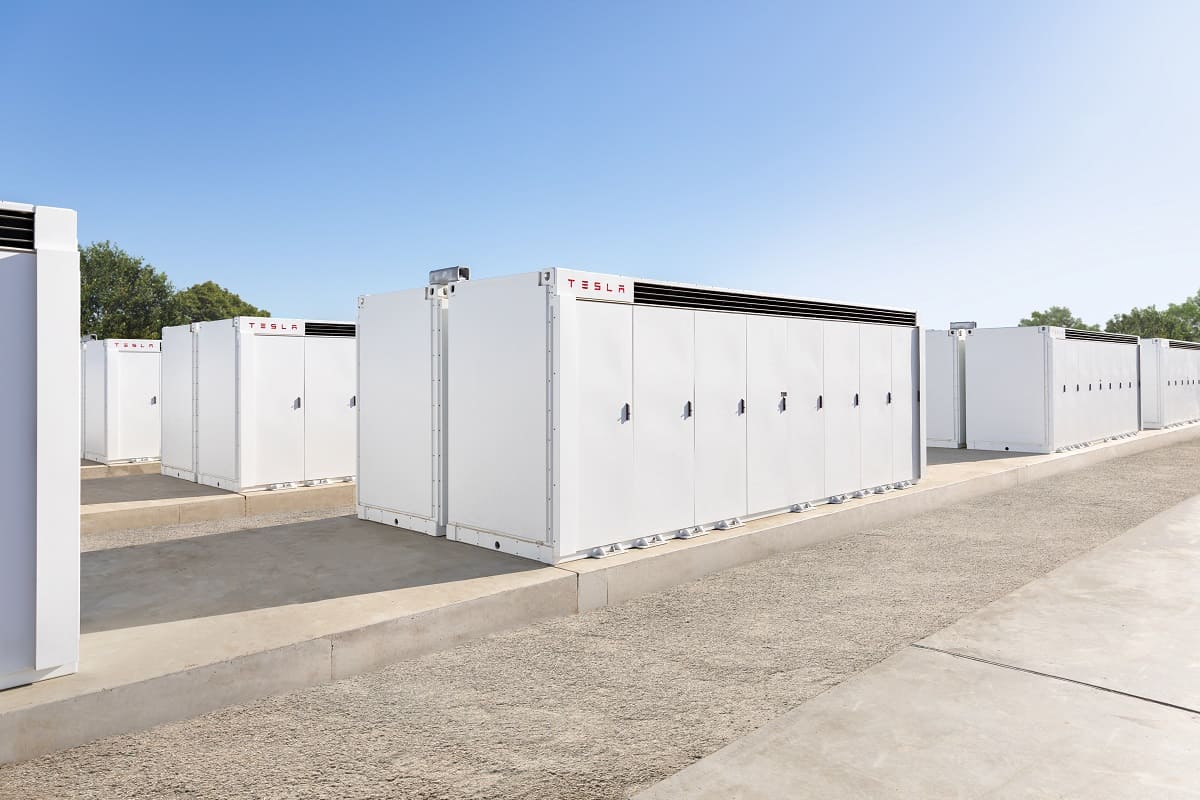
- Megapack: A utility-scale battery that stabilizes the grid, defers expensive infrastructure upgrades, and stores massive amounts of power for utilities and large industrial sites. This product backlog is enormous and its impact is global.
3. 🧠 Software & Grid Optimization (Autobidder & VPPs)
Hardware is only half the story. Tesla’s proprietary software platform, Autobidder, autonomously manages and optimizes battery assets.
- Autobidder: Uses machine learning to predict energy needs and market prices, automatically buying and selling stored energy to maximize profit and efficiency for asset owners and utilities.
- Virtual Power Plants (VPPs): Tesla is connecting thousands of individual Powerwalls into VPPs, creating a massive, collective battery that can instantaneously dispatch energy back to the grid during peak demand. This essentially turns consumers into decentralized power players, providing a highly flexible and resilient grid solution.
The Valuation Argument: Stability and Scalability
Why might this sector prove more valuable than cars?
| Feature | Tesla Energy | Tesla Automotive |
| Market Potential | Trillion-dollar global utility/grid modernization market. | Multi-trillion-dollar global automotive market. |
| Profit Profile | High-margin software/service revenue; long-term infrastructure contracts. | Medium-margin hardware sales; subject to fierce competition. |
| Competition | Emerging; dominated by a few large players (Tesla is a leader). | Intense; every major automaker is rapidly shifting to EVs. |
| Revenue Type | Recurring (VPP participation, software licenses, service). | Transactional (One-time car purchase). |
| Role in the Future | Essential infrastructure for all electrification (cars, homes, industry). | A consumer product. |
The energy business is poised to generate high-margin, predictable, recurring revenue—a trait highly prized by investors—via software, service contracts, and VPP participation fees. Furthermore, every EV, every solar installation, and every heat pump accelerates the demand for robust grid storage, making the energy arm a foundational, required component for the entire transition.
The Bottom Line
Tesla’s ultimate goal, as defined by its mission statement, is to accelerate the world’s transition to sustainable energy. To achieve this, building a few million electric cars is important, but building the energy grid of the future is paramount.
As the grid becomes the central bottleneck for global electrification, Tesla’s interconnected solar, storage, and software ecosystem is perfectly positioned to capture the infrastructure market. It’s a business defined by long-term contracts, high barriers to entry, and massive scalability.
Tesla Energy isn’t just a side business; it’s the infrastructure that will power the electric world, and that infrastructure may well be the company’s most valuable asset yet.