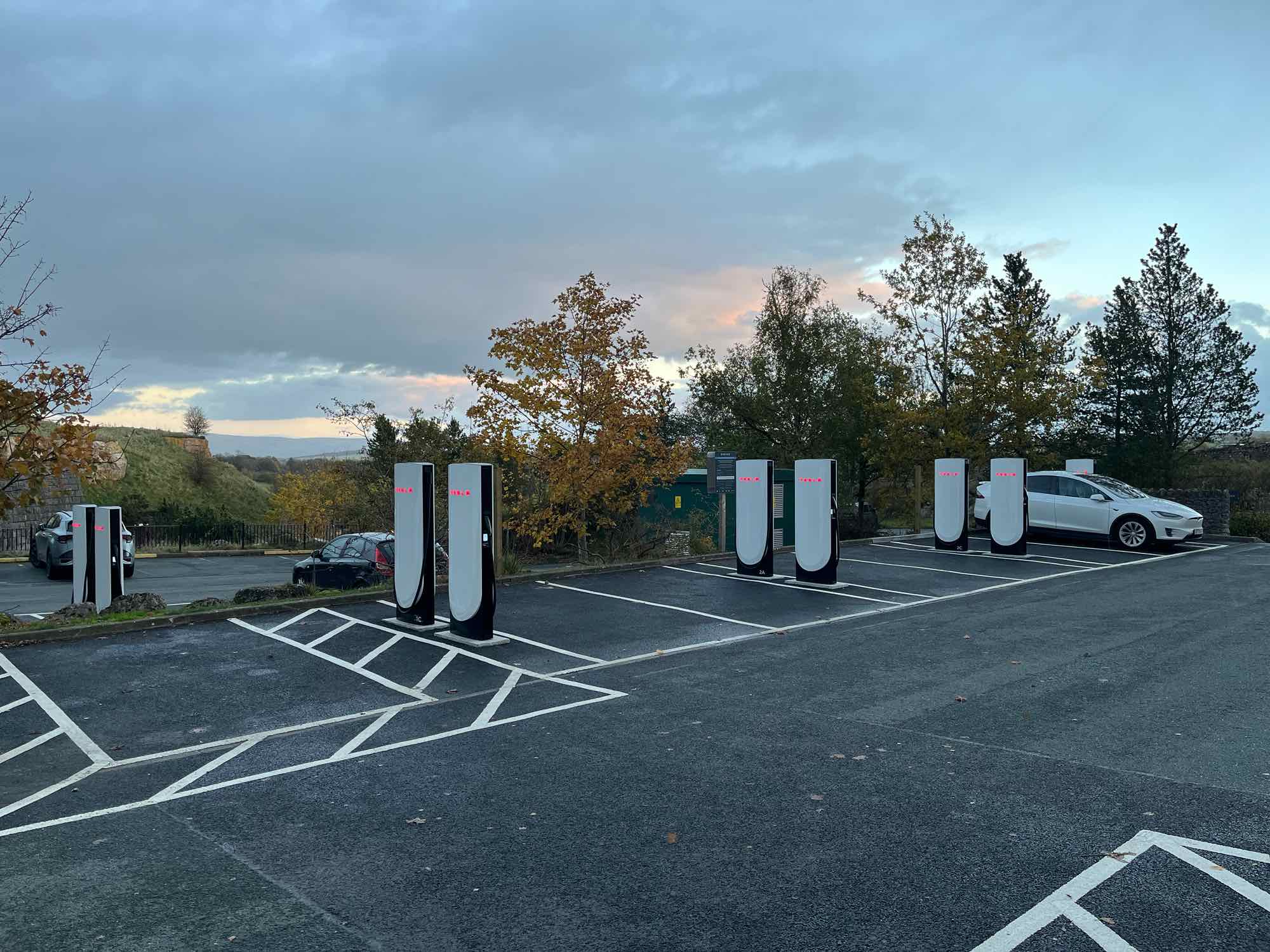
Cold Weather Challenges for DC Fast Charging Stations
As winter approaches, urban areas may experience increased queuing at DC Fast Charging stations due to the drop in temperatures. For electric vehicle (EV) owners, particularly those without home charging options, it’s crucial to understand how colder conditions impact charging and battery performance, as well as the steps needed to maintain efficiency.
Why Cold Batteries Increase Charging Times
Cold weather affects the chemical reactions within a battery, decreasing its ability to charge efficiently. In urban centers, where EV drivers commonly use public supercharging stations, this can result in longer queues. When not preconditioned, batteries need to warm up before they can accept charge at their maximum rate. Vehicles like Tesla, equipped with battery preconditioning, can prepare the battery for optimal charging. However, navigating to a charging station without planning can lead to delays as many EVs do not automatically initiate preconditioning.
Vehicle Specifications and Their Winter Impact
Not all EVs handle cold weather charging equally. Single-motor variants, often chosen for their affordability, may not heat the battery as effectively as dual-motor counterparts. Additionally, certain entry-level models integrate LFP batteries, which particularly struggle in cold temperatures. This can make winter charging less efficient, although advancements in LFP batteries are on the horizon, as seen with new products in China.
Increased Consumption in Cold Conditions
Cold weather drives up energy consumption due to several factors. Heating the cabin, increased air resistance from denser air, and snow-covered roads all contribute to higher energy usage. Consequently, EVs require more frequent charges, which prolongs wait times at public charging stations. Balancing these demands means that EV owners need to be strategic about where and when they charge.
Reduced Battery Capacity in the Cold
The efficiency of an EV battery declines in cold temperatures, limiting its capacity. This not only increases the frequency of charging but also necessitates longer charging sessions to replenish the full battery capacity. Planning routes that incorporate battery warming can alleviate this problem, ensuring that charging is swift and wait times are minimized.
Best Practices for Winter EV Use
Despite these challenges, EVs remain a viable option for winter driving with proper management. Using home charging and preconditioning the vehicle cabin are effective strategies for minimizing issues. For those reliant on public charging, preconditioning the battery well before reaching a charging station can significantly reduce wait times. Eventually, as EV infrastructure and technology continue to advance, these cold weather challenges will lessen, improving the overall experience for urban EV drivers during winter months.