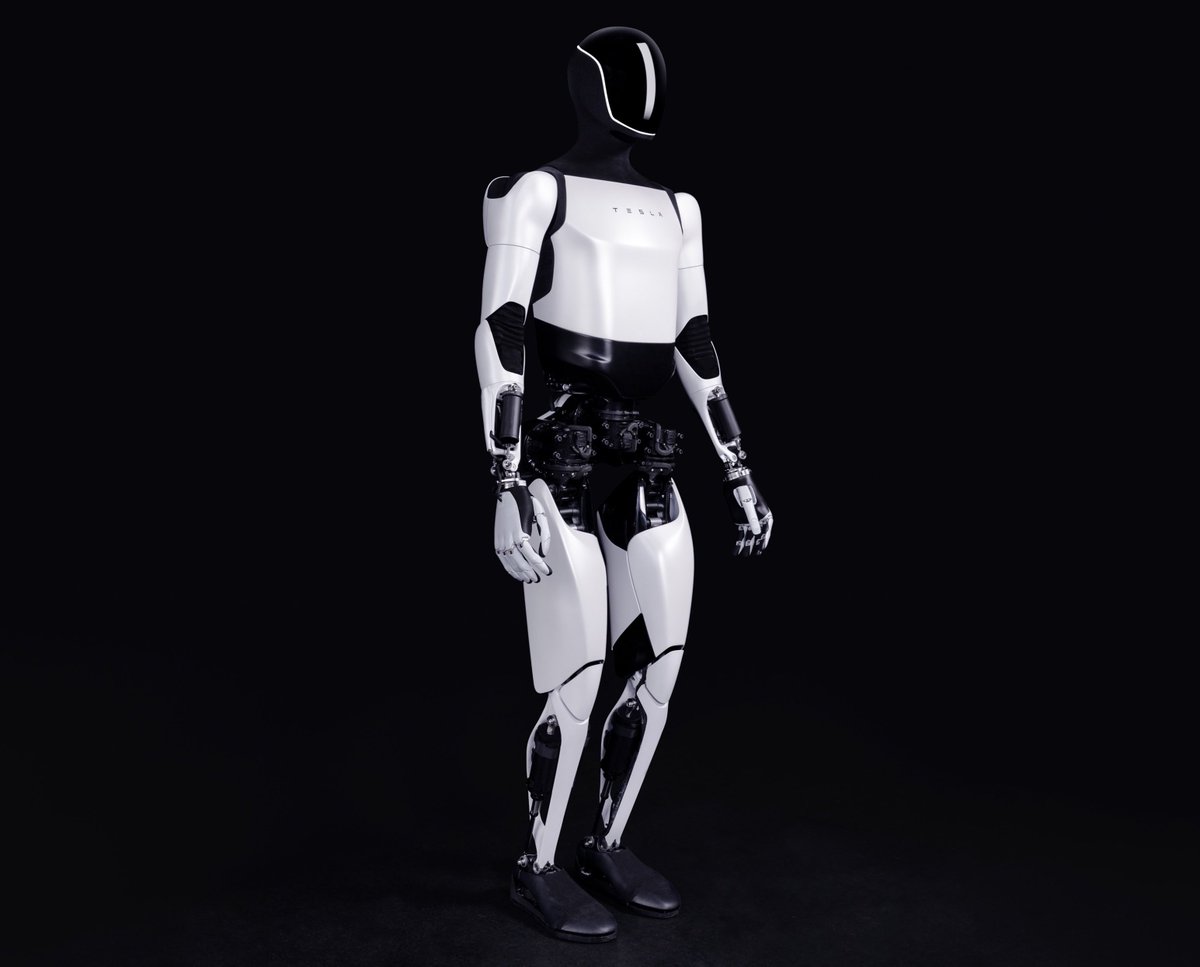
Elon Musk’s Next Vision: Tesla Bots are Evolving Faster Than You Think
Move over, electric cars. Elon Musk’s most ambitious project yet—a humanoid robot known as Optimus—is accelerating, signaling a potential paradigm shift in labor and daily life.
In the world of technology, Tesla is synonymous with electric vehicles and sustainable energy. But behind the gigafactories and futuristic dashboards, a quieter, more profound revolution is taking place: the relentless development of the Tesla Bot, or Optimus.
First introduced with a dancer in a suit, then a shaky prototype, the current iteration is rapidly shedding its initial limitations. Musk’s vision is clear: a general-purpose, bipedal, and friendly robot capable of replacing repetitive, dangerous, or boring tasks.
🧠 The Secret Weapon: Tesla’s AI
What distinguishes Optimus from other humanoid projects is the technology driving it: the same core AI and computer vision systems used in Tesla’s Full Self-Driving (FSD) stack.
“The neural nets are fundamentally similar. If you can train a car to understand the world, you can train a bipedal robot to understand the world and interact with it physically.” – Elon Musk
Instead of relying on pre-programmed movements, Optimus learns its environment through cameras and processes information using a sophisticated on-board computer. This allows it to:
- Navigate complex, unstructured environments (i.e., not just a clean factory floor).
- Manipulate various objects with a dexterity that is rapidly improving.
- Learn new skills by observing human actions.
🏃 Faster, Stronger, More Agile
Recent demonstrations have moved far beyond simple walking. Key developments show the bot’s rapid progress:
- Walking Speed and Stability: Optimus can now walk faster and has demonstrated impressive stability, including recovering from pushes and navigating inclines.
- Dexterous Hands: The hands, equipped with sophisticated sensors, can now grip delicate objects (like an egg) and perform practical tasks, such as sorting blocks and handling tools.
- Factory Integration: Prototypes are already performing simple, real-world tasks within Tesla’s own facilities, effectively acting as its own initial test bed and customer.
🗓️ The Road Ahead
Musk maintains a highly ambitious timeline, often predicting production ramp-ups within the next few years. While skeptics remain, the pace of evolution is undeniable.
If successful, the implications are staggering:
- Mass Labor Augmentation: Robots could fill labor shortages in manufacturing, logistics, and agriculture.
- Home Helper: The long-term vision includes bots acting as personal assistants, cleaning, cooking, and performing household chores.
- Economic Shift: Musk has often suggested that the Optimus project could be bigger than the automotive business, potentially leading to an “age of abundance” where human labor for routine tasks becomes optional.
The Tesla Bot is no longer science fiction. It is a rapidly maturing platform poised to leap from the factory floor into the world, redefining the relationship between humans and machines.