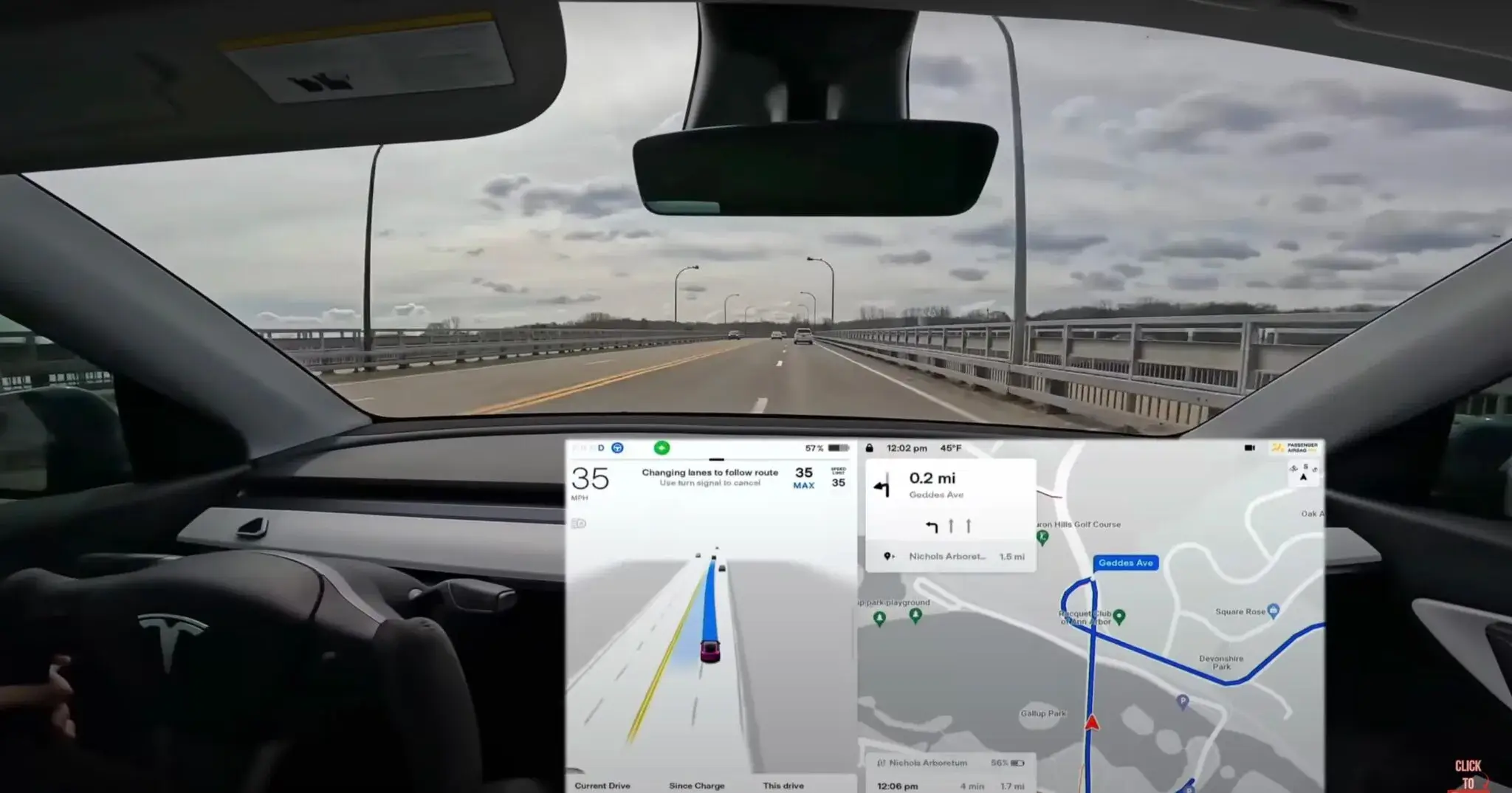
Full Self-Driving (FSD) Beta: Is It Finally Ready for the Masses? New Data Revealed
For years, Tesla’s Full Self-Driving (FSD) Beta has operated under a strict invitation-only program, testing the limits of machine learning on public roads. But a recent influx of data suggests the system might be closing in on the reliability needed for a true, widespread consumer rollout.
The key question remains: after billions of miles driven, is the “Beta” label about to disappear?
The New Metric That Matters: Miles Per Intervention
The true measure of FSD’s maturity isn’t just the number of vehicles using it, but how often human drivers still need to intervene. According to the latest internal metrics, the distance driven between required disengagements (when the driver must take control) has hit an all-time high.
What the new data indicates:
- Intervention Rate Decline: The average miles driven per critical intervention (due to software error or safety hazard) has seen a substantial decrease in the latest software cycles (e.g., V12.3).
- Highway Confidence: FSD now handles highway entry/exit and high-speed merges with a level of confidence nearly matching human performance, shifting the focus to complex urban scenarios.
- Urban Progress: Key improvements in interpreting unprotected left turns, construction zones, and “edge cases” are now responsible for the largest gains in overall system safety.
The Regulatory Hurdles to Mass Adoption
While the software might be technically proficient, the path to a full, unsupervised release is blocked by regulatory and legal scrutiny.
In North America and Europe, no manufacturer is currently permitted to deploy a true Level 4 or Level 5 autonomous system without a driver present and fully responsible. This means:
- Driver Attention Remains Mandatory: Despite its name, FSD is still classified as a Level 2 driver assistance system. The driver must remain alert and ready to take over at any moment.
- Testing vs. Deployment: Regulators are scrutinizing whether the massive, public testing inherent in the FSD Beta program is equivalent to a certified deployment.
- Geographical Expansion: The system must be proven safe across vastly different road markings, signage, and driver behaviors on a global scale.
Future Outlook: When Can We Drop the ‘Beta’?
The consensus among analysts is that FSD is approaching a point where a “geo-fenced” (limited to certain areas), high-level autonomy could be technically feasible.
However, the final “ready for the masses” milestone will likely be marked not by a software update, but by a regulatory green light that absolves the driver of some responsibility—a change that is still years away.
Until then, FSD remains the most sophisticated driver assistance technology on the market, continuing its rapid evolution on the road to true autonomy.