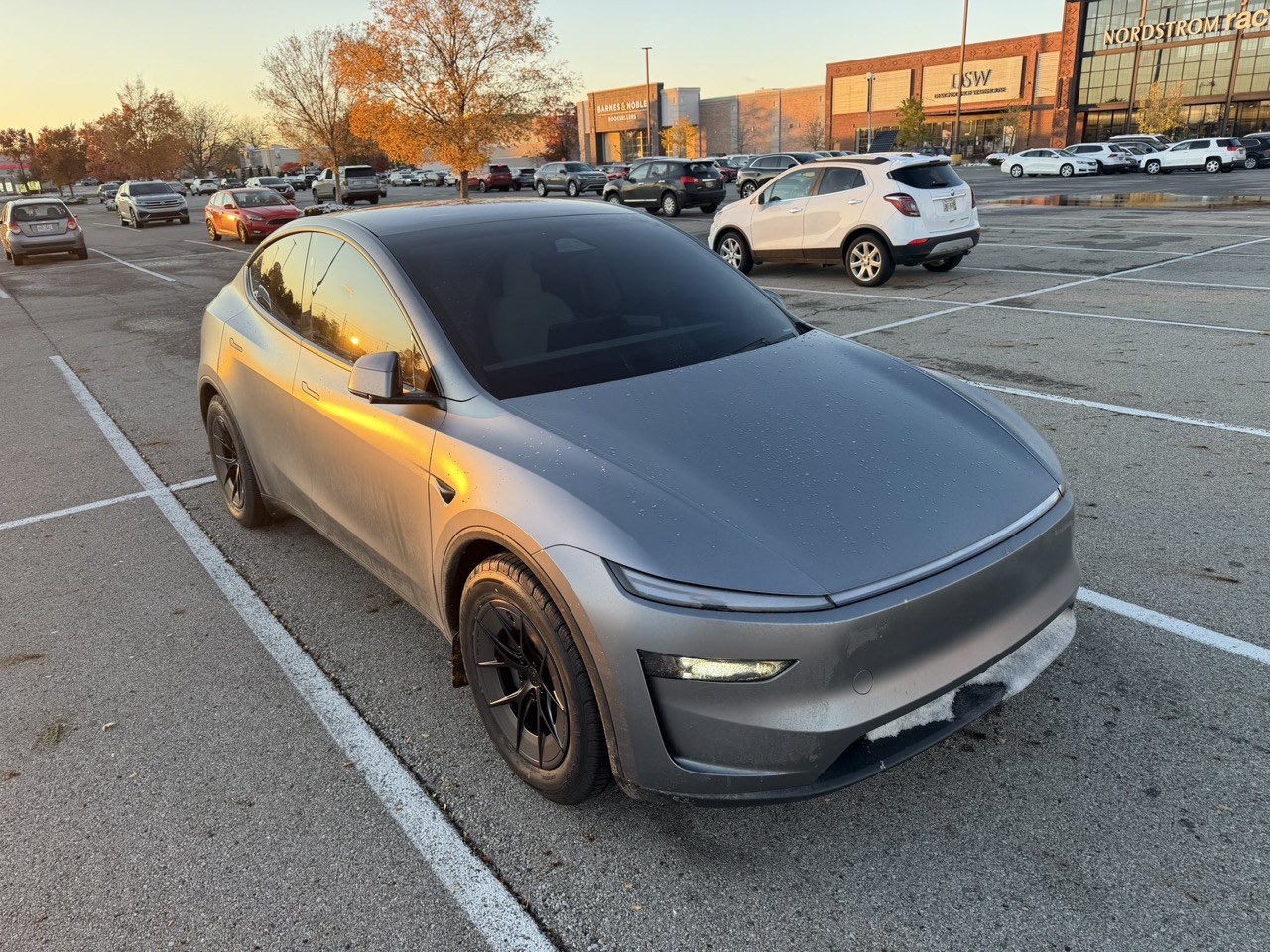
How Tesla’s Autopilot is Revolutionizing Emergency Transportation
The emergence of autonomous vehicles is not only reshaping everyday travel, but it is also proving to be a game-changer in emergency situations, as evidenced by a recent incident involving a Tesla and an expectant mother in the UK. The ability of Tesla’s Autopilot to function in high-pressure scenarios has highlighted the car’s potential to revolutionize emergency transport and contribute to better outcomes in critical situations.
The Unforeseen Emergency
In a dramatic turn of events, a pregnant woman in the UK recently experienced an emergency early labor situation. With her husband still en route, she was left to rely on her Tesla vehicle to safely navigate her to the hospital while she was experiencing contractions.
While the idea of self-driving cars has captured the imagination of many, this real-life scenario illustrated the practical benefits of autonomous driving technology in unexpected circumstances. It raises questions about how autonomous vehicles could be integrated more broadly into our healthcare emergency response systems.
Autopilot’s Role in Early Labor
Tesla’s Autopilot feature is designed to assist drivers by maintaining lane discipline, regulating speed, and even executing lane changes when necessary. However, this incident showcased how these capabilities can support a driver—especially when the only driver is preoccupied with, in this case, life-altering contractions.
As the contractions intensified during the journey, Autopilot allowed the woman to focus on managing her labor while the vehicle handled the navigation. The relief of knowing the car could manage a significant aspect of the journey helped maintain her calm, illustrating a valuable, albeit unconventional, use of this technology.
Trust in Technology: A Growing Phenomenon
The experience underscores a growing trend of trust in autonomous technologies. While some remain wary of self-driving cars, citing concerns about safety and reliability, stories like this one contribute to shifting perceptions. As more people experience the tangible benefits of autonomous features, their potential integration into emergency protocols becomes more plausible.
Reflecting upon this incident, there are significant implications for the future development and deployment of autonomous vehicles. Could these vehicles be designed specifically for emergency purposes, such as transporting individuals to hospitals during medical crises when ambulances are delayed or unavailable?
Future Prospects for Autonomous Vehicles
The idea of integrating autonomous vehicles into emergency services is no longer a distant futuristic envisioning. As the technology matures, it presents opportunities for innovatively rethinking public health infrastructure. Whether it’s using AI to predict and avoid traffic congestion or ensuring a speedy hospital trip for those in need, the potential applications are expansive.
Government policymakers and automotive companies should take these real-world applications into account when drafting future regulations and designing next-generation vehicles. By doing so, it could pave the way for significant enhancements in how we manage healthcare emergencies on our roads.
Conclusion
This incident is not just a testament to Tesla’s technology but is a clarion call to embrace the wider potential of autonomous driving. As the technology continues to evolve, so too will its applications, potentially saving lives and offering new solutions for healthcare and beyond. As we reflect on this remarkable use of Tesla’s Autopilot, it opens a conversation about how we can harness new technologies to transform how we approach inevitable emergencies in the modern world.