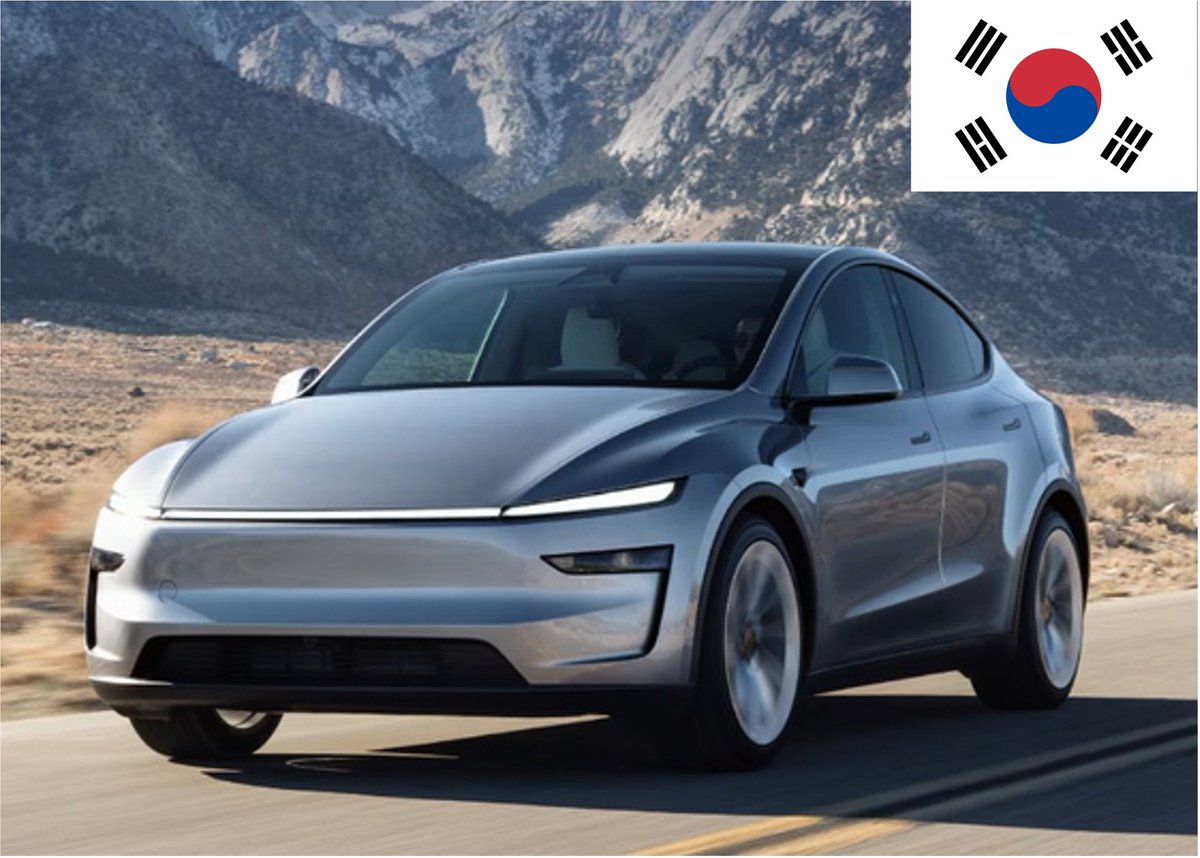
How Tesla’s Model Y Became South Korea’s Top Electric Vehicle
Tesla’s recent achievements in South Korea represent a new era in the electric vehicle (EV) market, particularly with the unprecedented success of the Model Y. With sales figures soaring to 46,927 units through November, Tesla has solidified its place at the forefront of the Korean EV sector.
The Meteoric Rise of Tesla’s Model Y
The Model Y’s rise to the top-selling EV position in South Korea is a testament to Tesla’s strategic market positioning and innovation. Facilitated by a burgeoning interest in environmentally-friendly transport solutions, the Model Y capitalizes on its sleek design, extended battery life, and advanced technology. This blend of features not only appeals to tech-savvy consumers but also addresses crucial environmental concerns.
The Competitive Landscape
While Tesla’s success in South Korea is remarkable, it’s important to consider the competitive dynamics. Domestic giants Hyundai and Kia have dominated the Korean auto industry for decades, but the arrival of Tesla seems to have challenged their traditional dominance. Despite the impressive innovation behind Hyundai’s Ioniq 5 and Kia’s EV3, with sales of 14,109 and 20,391 units respectively, these domestic brands have not matched the Model Y’s success.
An Overview of Tesla’s Market Strategy
Tesla’s achievement wasn’t solely due to the Model Y’s appeal but also because of an aggressive market strategy tailored to Korean consumers. The company leveraged its brand image and cutting-edge technology to sway consumer preferences, offering features that align with local desires for high-tech, eco-friendly vehicles. Furthermore, Tesla’s adept use of social media and digital marketing allowed them to widen their reach and engage younger audiences directly.
Implications for the Korean EV Market
The Model Y’s success story may serve as a blueprint for future market entrants. As regulatory bodies in Korea push for lower emissions and greater adoption of electric mobility, other manufacturers might develop more competitive models to challenge Tesla’s dominance. The pressure is on traditional automakers to innovate and adapt to the rapidly changing preferences of eco-conscious consumers.
Future Prospects
Looking ahead, Tesla’s momentum in Korea signifies potential for sustained growth, provided they continue to innovate while maintaining production efficiency. As infrastructure for EVs expands in Korea, the barriers to entry for competing brands might lower, but Tesla’s established presence offers it a substantial initial advantage.
For other manufacturers, the Korean market presents a learning opportunity to hone strategies that resonate with evolving consumer expectations, potentially shaping the global landscape of the EV industry.