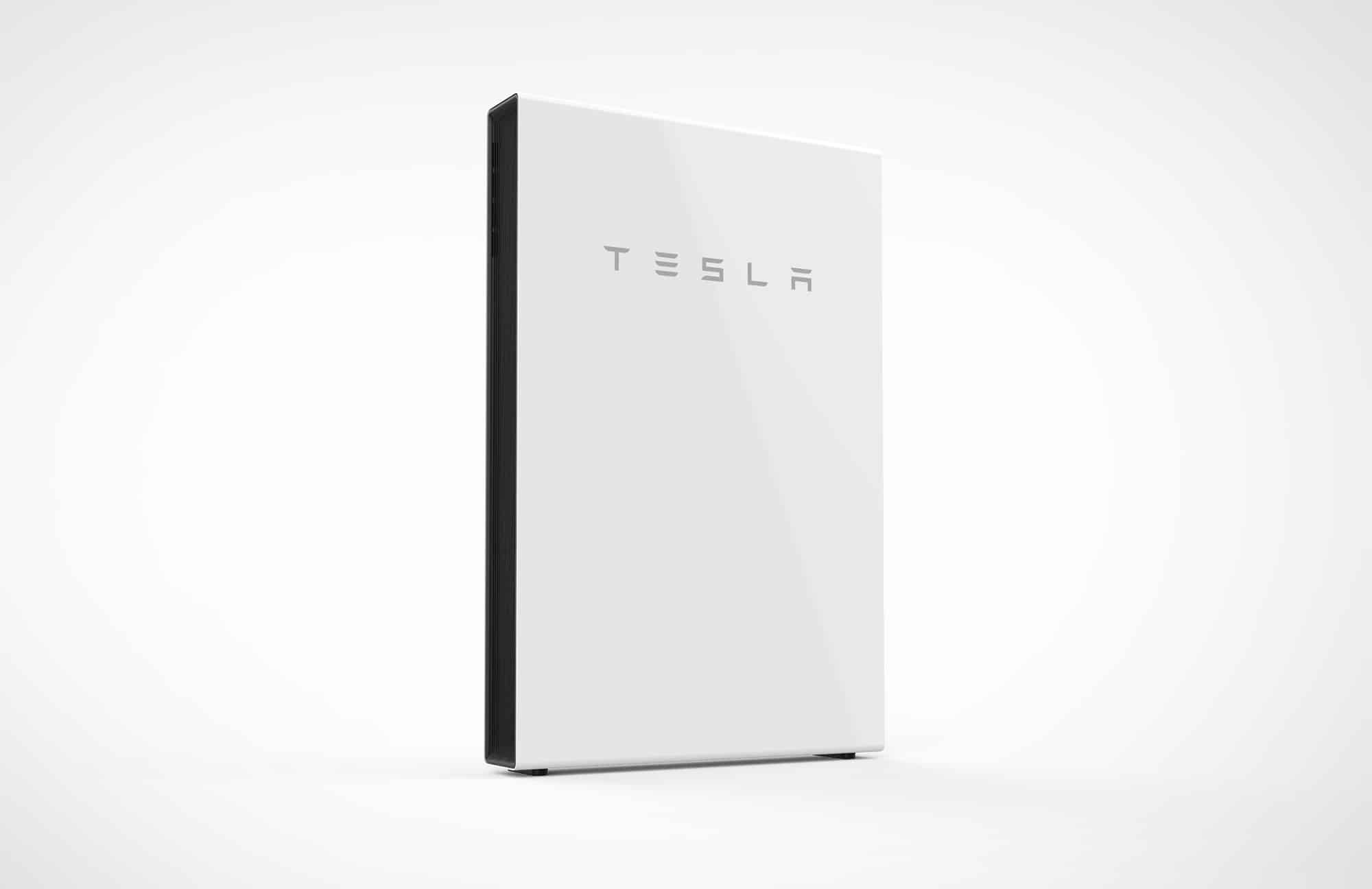
Is It Worth Installing a Tesla Powerwall? A Comprehensive Look
The question of whether a Tesla Powerwall is worth installing has sparked countless discussions among homeowners, solar enthusiasts, and energy analysts. While the idea of storing solar energy in a sleek battery for later use is appealing, the reality depends on a combination of financial, practical, and personal factors. Let’s break it down.
1. Financial Considerations: ROI vs. Peace of Mind
One of the first questions homeowners ask is: “Will a Powerwall pay for itself?”
- Return on Investment (ROI): In most regions, the payback period for a Powerwall is longer than for solar panels. This is largely because storing energy to use later is often less financially rewarding than selling excess power back to the grid.
- Time-of-Use Plans: In areas with Time-of-Use (TOU) electricity rates, using stored energy during peak evening rates can improve ROI, though savings are still modest.
- Incentives: Certain states, like Massachusetts, offer programs that pay homeowners for contributing battery power to the grid during peak demand. In such cases, combined incentives can make the Powerwall financially attractive, sometimes covering the cost in 5 years.
💡 Key Insight: If your main goal is to reduce electricity bills, the Powerwall is rarely the most cost-effective option. Its financial value increases if your utility structure rewards self-consumption or peak-hour contributions.
2. The Reliability Factor: Power Outages and Emergencies
Beyond ROI, the real value of a Powerwall often lies in reliability:
- Backup Power: Homes with frequent blackouts, rolling outages, or extreme weather events can benefit significantly. A Powerwall ensures your lights stay on, refrigerators keep running, and essential devices remain powered.
- Solar Continuity: Without a battery, most solar systems shut off during a grid outage. A Powerwall allows solar panels to continue providing power to your home during such events.
- Comparison to Generators: Gas generators offer high-capacity backup but are noisy, require fuel storage, and need regular maintenance. For daily convenience and environmental benefits, a Powerwall can be a quieter, cleaner alternative.
💡 Key Insight: If outages are rare or negligible in your area, the Powerwall is more of a luxury than a necessity. But if energy security is a priority, its value rises dramatically.
3. Installation and Sizing Considerations
Several practical factors influence whether a Powerwall fits your home:
- Number of Units: One Powerwall may suffice for small households, but larger homes or high evening usage often require two or more units.
- Location and Temperature: Fire safety codes sometimes require outdoor installation. While Tesla claims the battery tolerates cold weather, indoor installation in controlled conditions can slightly improve efficiency.
- Integration with Existing Solar: Homes with solar panels benefit most when batteries are sized to store excess production efficiently.
💡 Pro Tip: Proper sizing and placement are crucial. Undersized systems may leave you reliant on the grid during cloudy days or high-consumption periods.
4. Alternatives and Future-Proofing
- Using the Grid as a Battery: In regions with net metering at retail rates, it can be more cost-effective to treat the grid as your battery instead of installing a physical one.
- Electric Vehicle Integration: Vehicle-to-Home (V2H) technology can allow EVs to act as backup batteries, sometimes offering similar functionality at lower cost.
- Other Battery Brands: Depending on local prices and incentives, alternatives to the Tesla Powerwall might provide better ROI.
💡 Key Insight: A Powerwall is part of a broader energy strategy, not a one-size-fits-all solution.
5. Conclusion: Is It Worth It?
The Tesla Powerwall is not primarily a money-saving device; it is a reliability and convenience tool.
- Worth installing if: You face frequent outages, value energy independence, live in areas with TOU plans or incentive programs, or want seamless integration with solar.
- Not worth installing if: You have minimal outages, generous net metering, or your goal is purely financial ROI.
Ultimately, the decision hinges on your energy priorities: peace of mind and independence versus purely financial returns.