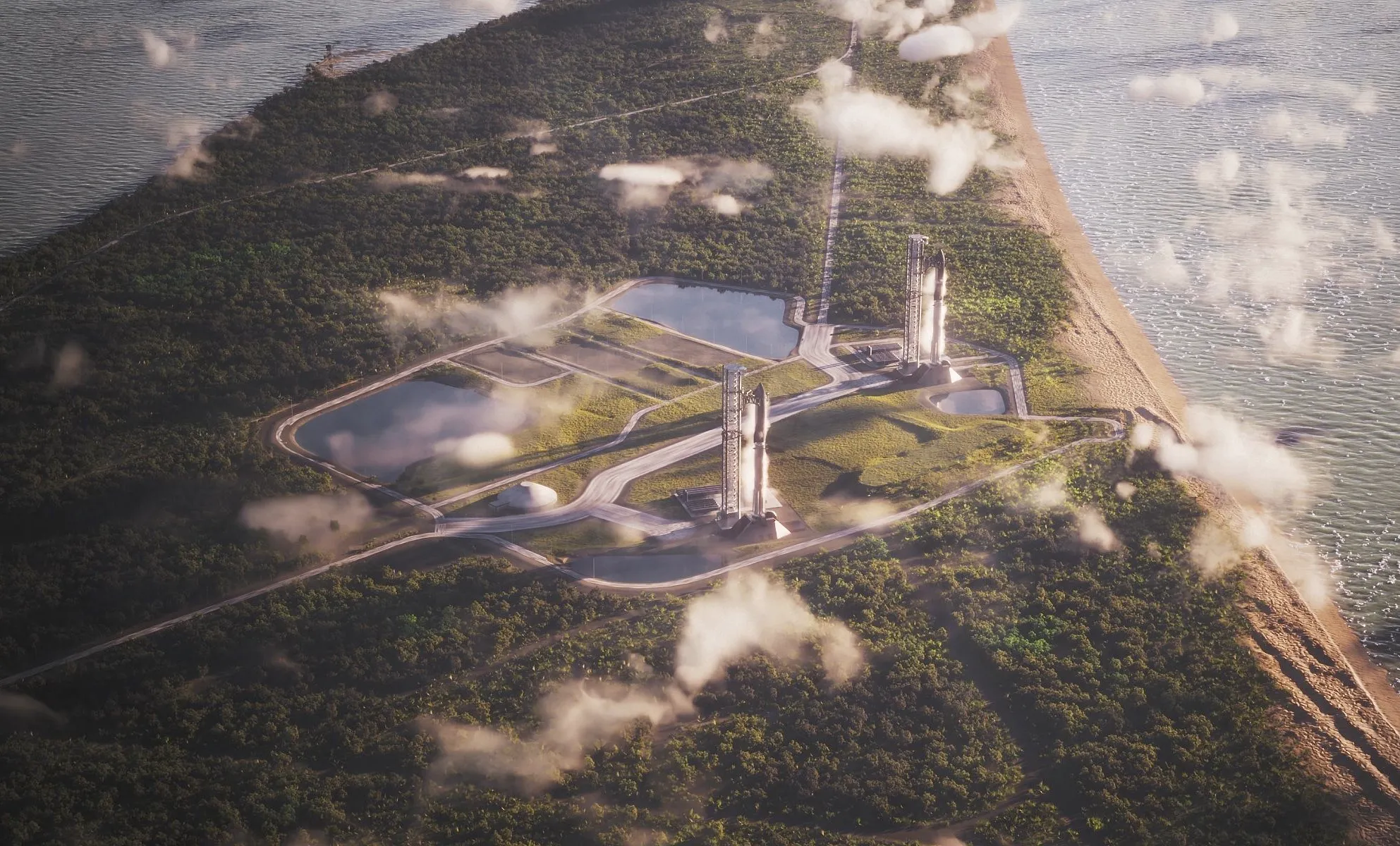
NASA Approves SpaceX’s Expansion at Cape Canaveral Amidst Environmental Cautions
In a groundbreaking development, the U.S. Department of the Air Force has given the green light for SpaceX to transform Cape Canaveral’s Space Launch Complex 37 (SLC-37) into a bustling hub for its ambitious Starship launches. This significant decision, reached after a thorough environmental assessment, marks a pivotal moment for the growing space industry and highlights the delicate balance between technology advancement and environmental stewardship.
The Strategic Move to Enhance SpaceX’s Capabilities
This approval comes as part of SpaceX’s broader strategy to enhance its launch capabilities and support NASA’s Artemis missions, thereby solidifying the United States’ standing in the global space arena. SLC-37, an iconic launch pad with a rich history dating back to the 1960s, is poised to reclaim its place at the forefront of space exploration.
Originally designed for Saturn 1 rockets and later adapted for Delta 4 missions, its recent approval for redevelopment is a testament to the site’s strategic significance. SpaceX intends to construct two launch pads here, in addition to its existing facilities at Starbase in Texas and the under-construction pad at Launch Complex 39A in the Kennedy Space Center.
Environmental Considerations and Community Impacts
Before reaching this decision, the Air Force conducted a comprehensive Environmental Impact Statement (EIS) study, rigorously examining potential environmental and societal impacts of the proposed pad conversions. The study concluded that while most environmental impacts were manageable, noise levels from frequent launches and landings could pose challenges for nearby communities.
The prospect of increased noise levels has stirred concerns among local residents, particularly regarding sonic booms that could impact structural integrity of unreinforced buildings. However, the risk of actual damage remains low, assessed between 1 in 10,000 to 1 in 100,000.
Implications for Local Economy and Infrastructure
The conversion of SLC-37 is expected to bring a flurry of economic activity to the region. With SpaceX at the helm, the site promises to create numerous job opportunities, bolster local businesses, and attract tourism. However, the increased activity will necessitate significant upgrades to local infrastructure to accommodate a surge in traffic and population growth.
Improvements in transportation networks and housing are likely as the community gears up to support SpaceX’s ambitious launch schedule. This development is likely to include the strengthening of existing infrastructure to withstand the impact of increased rocket activity.
Ramping Up Space Operations for Future Missions
SpaceX’s expansion at Cape Canaveral aligns with its vision to execute airport-like operations for future space missions. This vision posits a future where launches become as routine as commercial flights, paving the way for exponential growth in human space travel and exploration.
The significant milestone achieved by obtaining the green light for SLC-37 paves the way for SpaceX to capitalize on Cape Canaveral’s strategic location to execute numerous high-profile launches slated for the coming years.
Overall, the transformation of Space Launch Complex 37 into a Starship launch site heralds a new era for Florida’s Space Coast. As the spaceport continues to evolve, its impact on national space efforts, local economies, and environmental management will captivate the interest of both industry insiders and observers worldwide.