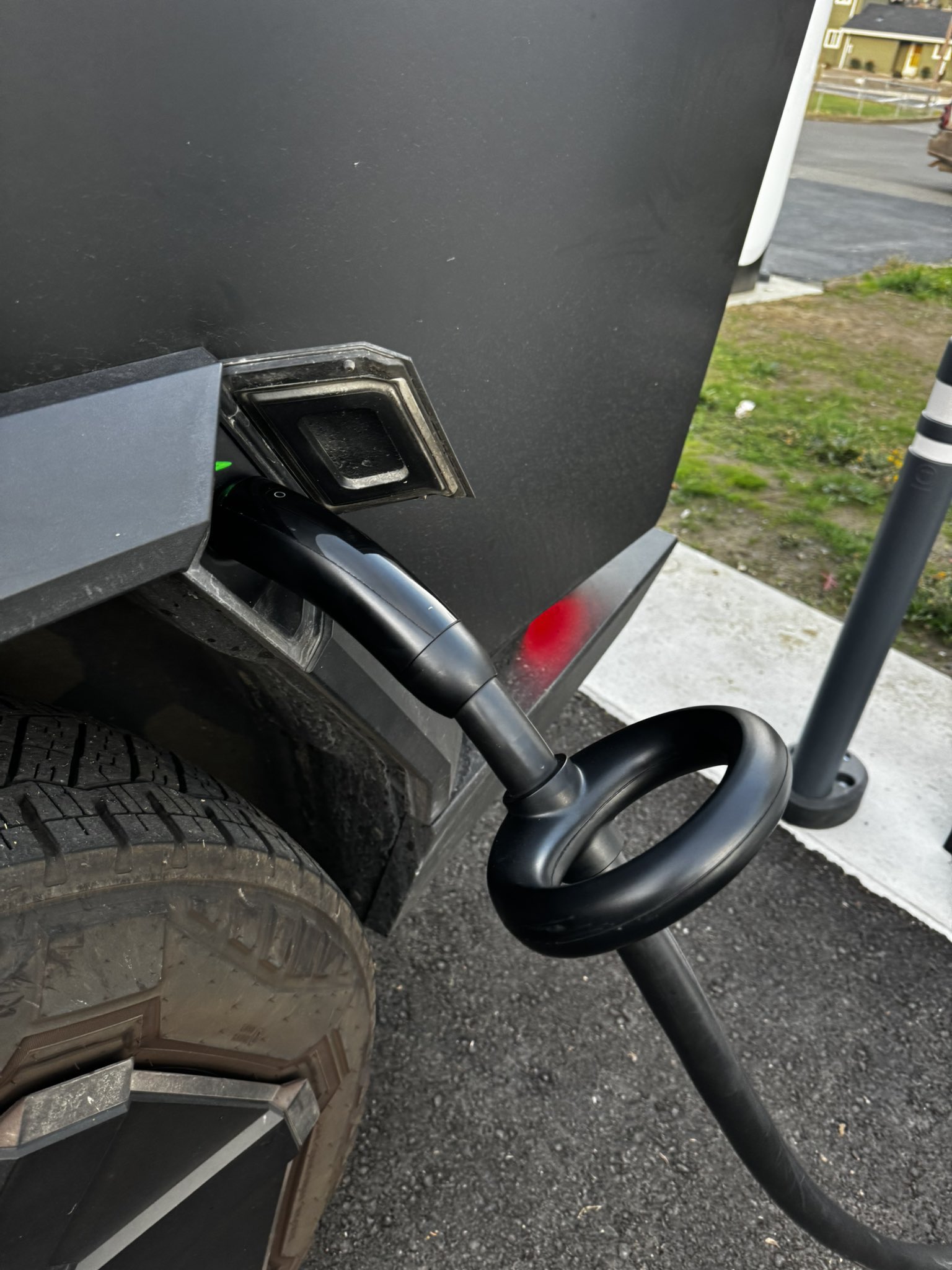
Revolutionizing Accessibility: Tesla’s Innovative Twist on Supercharger Handles
As electric vehicles (EVs) continue to become an integral part of our transportation ecosystem, the need for inclusive infrastructure has never been more urgent. In the UK and beyond, this demand is being met through technological advances aimed at making the EV experience more accessible to everyone. One prominent player in this push towards inclusivity is Tesla, with its introduction of ergonomic handles on the V4 Superchargers.
The Need for Accessible EV Charging
The conversation around accessibility within the EV market has been gaining traction. As the number of electric and hybrid cars grows, so too does the awareness of the barriers still faced by some motorists, particularly those with disabilities. Tesla’s introduction of easy-to-grip handles on its latest Superchargers is a significant step in addressing these challenges.
Traditional charging cables can be unwieldy, particularly for those with limited mobility. Tesla’s decision to incorporate ergonomic designs aims to alleviate these issues, thus ensuring that the charging process is as seamless as possible for all users.
Designing for All: The Ergonomic Approach
What sets Tesla’s new design apart is its focus on user-friendly engineering. The new handles are strategically positioned to require minimal effort from users, aligning with the physical capabilities of a broader user base. This move not only aligns with the Americans with Disabilities Act (ADA) standards but also proactively addresses the emerging needs of EV drivers worldwide.
The ergonomic handles are placed just below the plug, allowing for a smoother transition from charging station to vehicle. This approach reduces the physical strain of charging, opening the door for older drivers and those with disabilities to embrace EV technology with greater convenience.
Broader Implications for the EV Market
Tesla’s innovation could signal a wider trend for the industry. As EVs become mainstream, with the UK aiming for a zero-emission vehicle market by 2030, inclusivity in charging technology will become a competitive advantage. Accessibility will be a non-negotiable expectation rather than an optional extra, compelling other manufacturers and charge point operators to follow suit.
Moreover, by setting a precedent in universal design, Tesla is not just enhancing its brand image but is likely to influence policy and set new industry standards. The ease-of-use facilitated by these new handles might even drive greater adoption of the North American Charging Standard (NACS), providing a uniform charging experience for all drivers.
Final Thoughts on Future Directions
Accessibility in the EV charging arena is about more than just compliance—it’s about fostering an inclusive environment that encourages sustainable practices. Tesla’s proactive measures in accommodating a diverse customer base highlight the brand’s commitment to innovation that benefits everyone. This development could very well redefine the landscape of EV charging infrastructure, setting a benchmark for others to aspire to and further advancing the UK’s commitment to a more inclusive and sustainable future.
As we look to the future, the hope is for continued advancements in smart design and technological innovation across the EV sector. With pioneers like Tesla leading the charge, the journey towards an accessible, sustainable vehicle future looks promising.