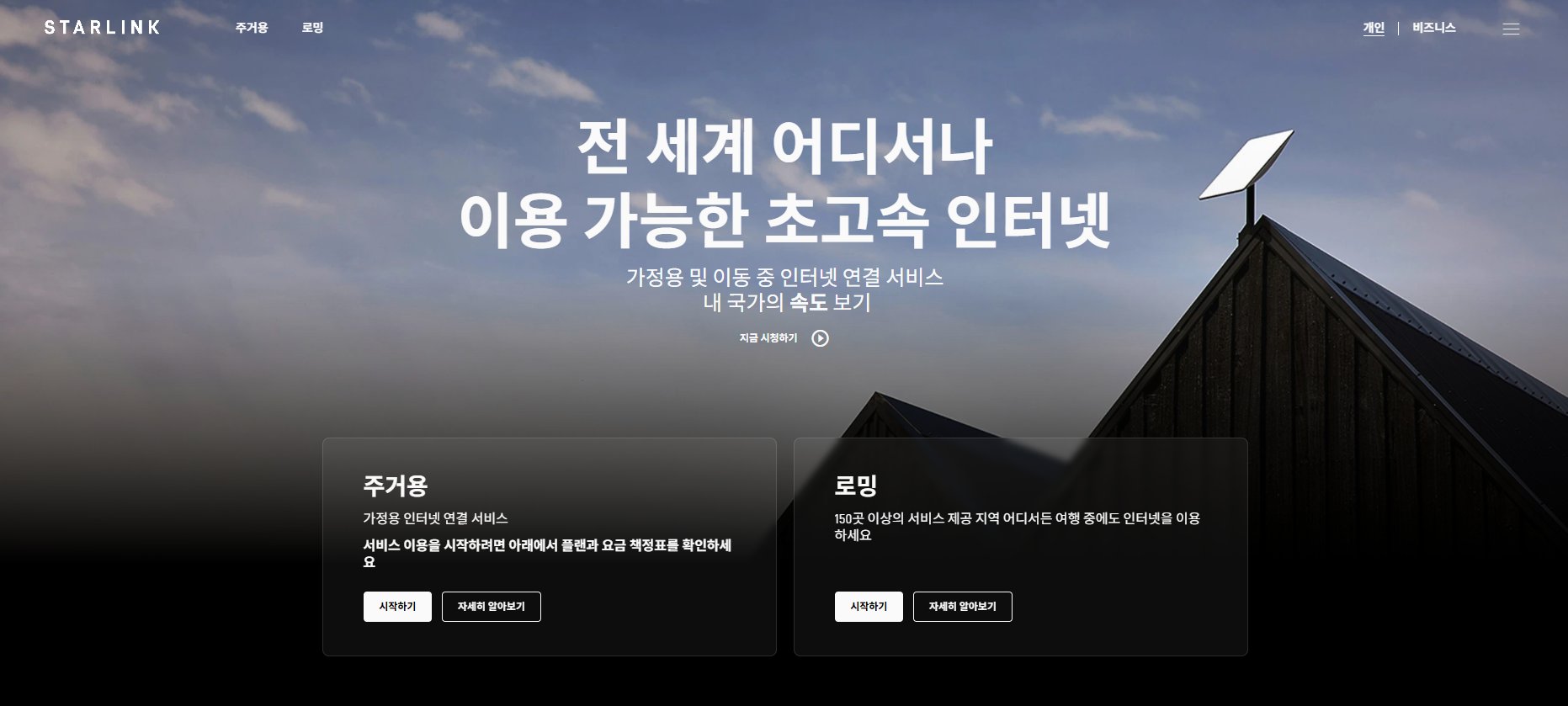
Starlink’s International Expansion: South Korea Welcomes the Future of Internet Connectivity
The global internet connectivity landscape is on the brink of transformation as SpaceX’s Starlink readies itself to officially launch its services in South Korea on December 4. This marks a significant milestone in the company’s international growth strategy, aiming to provide reliable, high-speed internet access in diverse markets worldwide.
South Korea: A Strategic Move for Starlink
South Korea is renowned for its advanced technology infrastructure and high demand for seamless internet services. By introducing Starlink to this market, the company fulfills a strategic endeavor to penetrate a tech-savvy population that demands rapid, uninterrupted internet access, even in the most remote locations.
South Korea’s unique landscape, including its rural and mountainous areas, has often posed challenges for traditional broadband services. Starlink’s satellite-based solution aims to overcome these geographical barriers, ensuring that even the most isolated communities can access top-tier internet services.
Korean Market Dynamics and Consumer Adoption
The announcement that SpaceX’s Korean subsidiary, Starlink Korea, is now accepting pre-orders at a competitive price of 87,000 won ($59 USD) per month is already catching consumer interest. The price point is strategically set to appeal to a wide demographic, spanning both urban and rural consumers seeking reliable internet solutions.
The competitive pricing model, coupled with the promise of enhanced connectivity, positions Starlink as a strong contender within South Korea’s bustling ISP market. Analysts predict a swift uptake of services, especially among sectors and regions historically underserved by conventional providers.
Infrastructure and Technological Edge
Starlink’s innovative approach utilizes a constellation of low Earth orbit satellites, which differentiates it from other providers relying on ground-based infrastructure. This cutting-edge technology allows for reduced latency and increased speeds, which are pivotal for modern-day data consumption habits.
The infrastructure advantage Starlink holds not only promises consistent service across the nation but also plays a potential role in disaster response, enabling swift connectivity restoration in the event of emergencies.
Impact on the Global Stage
Starlink’s entry into South Korea aligns with SpaceX’s broader mission to foster global connectivity. As more countries gain access to Starlink services, the potential for a universally connected world becomes increasingly tangible. Such global initiatives are likely to bridge digital divides, enhancing educational resources, business opportunities, and social connections worldwide.
For the UK, while the market dynamics differ, insights from such international ventures could inform future policies and frameworks aimed at enhancing digital infrastructure resilience and accessibility.
Future Prospects and Opportunities
With this launch, Starlink is expected to gather invaluable insights concerning user behavior and market demands in technologically advanced settings. These learnings may influence further enhancements and expansions across other regions, including Europe and the UK, where similar needs for high-speed, reliable internet prevail.
As the digital era progresses, SpaceX’s initiatives such as Starlink will not only redefine how we access the internet but also inspire competitive advancements across the telecommunications industry globally.