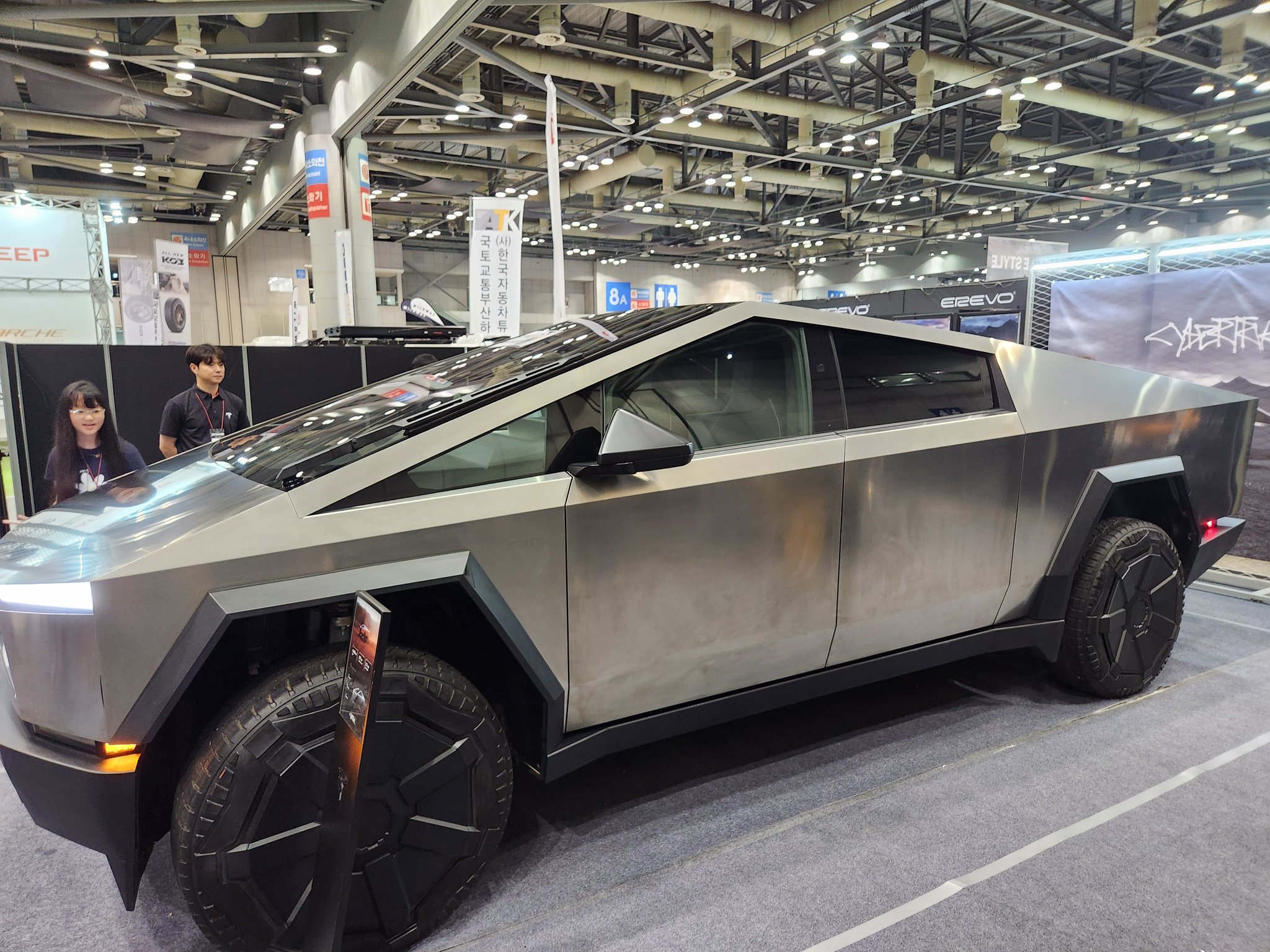
Tesla Cybertruck: A Bold Entry in China’s New Energy Vehicle Market
The appearance of the highly anticipated Tesla Cybertruck on the streets of Taizhou, China, has reignited global discussions about the impact of electric vehicles in the world’s largest automobile market. This sighting marks a significant milestone for Tesla, as the vehicle was spotted with a green license plate reserved for New Energy Vehicles (NEVs). The Cybertruck’s ability to legally operate on Chinese roads highlights its potential role in the country’s push towards sustainable transportation.
China’s Growing Commitment to Electric Vehicles
China has been at the forefront of the electric vehicle revolution, with government incentives and policies that bolster the adoption of NEVs. The presence of the Tesla Cybertruck, an iconic symbol of innovation, in Chinese cities is a testament to the country’s commitment to reducing carbon emissions and embracing cutting-edge automotive technologies.
The local production and legal registration of the Cybertruck in China could stimulate further interest among consumers who are eager for robust and efficient electric trucks. China’s urban landscape, with expanding road networks and infrastructure development, provides a conducive environment for the integration of such advanced vehicles.
Strategic Moves by Tesla
Tesla’s strategic expansion into China aligns with the company’s broader ambitions to capture a massive market share in the electric vehicle domain. The introduction of the Cybertruck, known for its futuristic design and unparalleled durability, caters to the Chinese market’s growing preference for high-performance electric vehicles.
The Shanghai Gigafactory stands as a pivotal component of Tesla’s strategy, allowing for localized production and distribution. This facility not only enables faster market penetration but also helps in reducing production costs and enhancing accessibility for Chinese consumers.
Implications for Local Manufacturers
The move by Tesla to bring the Cybertruck to China poses intriguing questions for local automotive manufacturers. Companies such as BYD and NIO, pioneers in the Chinese electric vehicle sector, may need to re-evaluate their strategies in response to the heightened competition. These firms have prioritized innovation and sustainability, yet Tesla’s global reputation for disruptiveness could challenge their market dominance.
Local manufacturers might increase their focus on developing uniquely tailored vehicles that cater to the specific needs of Chinese buyers. They could also leverage partnerships with global tech companies to integrate advanced features and distinctive designs into their models.
The Future of Electric Trucks in China
The introduction of the Tesla Cybertruck could be a catalyst for widespread adoption of electric trucks in China. As logistics companies and industries seek eco-friendly and cost-effective solutions, electric trucks promise lower operating expenses and reduced environmental impact.
Moreover, governmental policies that favor electric vehicles through subsidies and infrastructure investments are likely to support the gradual replacement of conventional trucks. The arrival of the Cybertruck might stimulate the innovation ecosystem, encouraging more companies to enter the sector and diversify their electric vehicle offerings.
In conclusion, the Tesla Cybertruck’s journey through China’s bustling streets represents more than just a new vehicle operating legally; it symbolizes a transformative shift in the automotive landscape. The anticipation surrounding its official market entry showcases the immense potential for change as electric vehicles continue to reshape global transport paradigms.