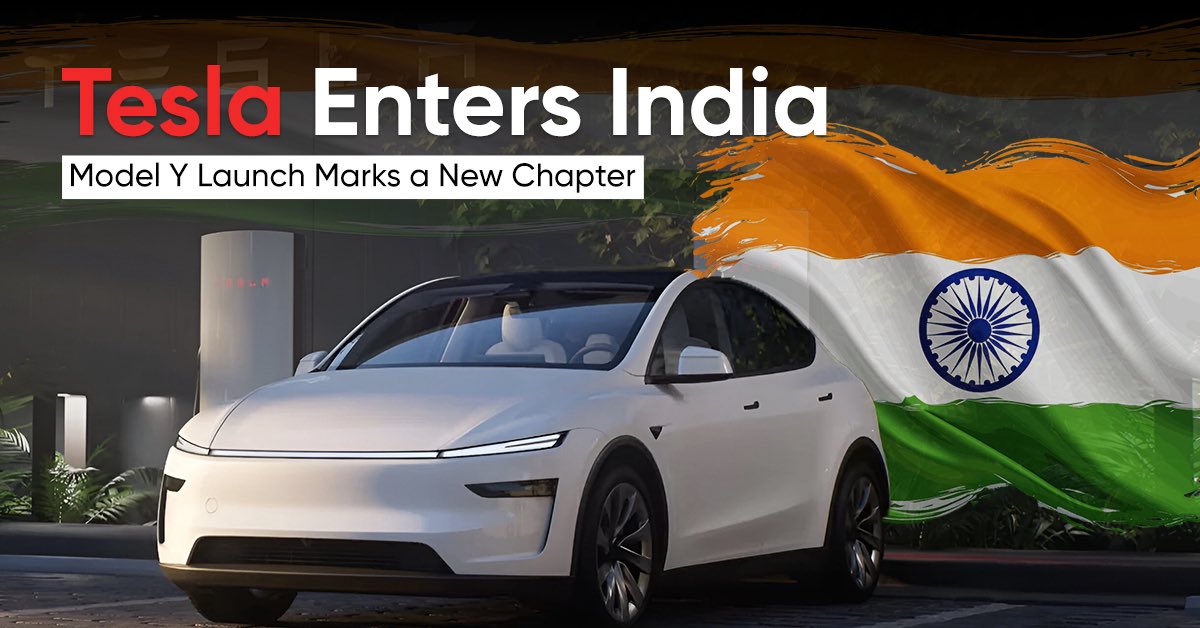
Tesla Struggles in India’s Premium EV Market Amid Stiff Competition
The Indian electric vehicle (EV) market presents a complex landscape for automakers primarily recognized for their global dominance. Among these, Tesla has encountered significant challenges, with its recent sales figures highlighting the hurdles faced in one of the world’s largest automobile markets.
Understanding Tesla’s Market Position in India
Despite its international acclaim and innovative product lineup, Tesla’s market penetration in India remains lacklustre. Data from the government’s Vahan portal reveals that Tesla managed to sell just 157 units in the current year, a stark contrast to expectations for a brand of such stature. In November alone, only 48 vehicles were delivered, signifying the need for strategic recalibration.
Comparative Analysis: BMW’s Emerging Prowess
In comparison, BMW India’s performance shines brighter, with 267 EVs sold in November. This figure underscores BMW’s strategic alignment with local consumer preferences, enabling its foothold in the premium EV segment to strengthen. The variation in sales figures between Tesla and BMW illustrates a pivotal narrative in the Indian EV market: adaptability versus established reputation.
Identifying the Key Challenges for Tesla
Several critical barriers contribute to Tesla’s sales shortfall in India. Chiefly among them is the government’s import duty regulation, which imposes hefty tariffs on imported vehicles, thereby pushing Tesla’s prices upwards, making them less competitive. Moreover, infrastructure and logistical hurdles further compound Tesla’s efforts to establish its presence.
Consumer Preferences and Market Dynamics
Another aspect is Tesla’s approach towards customization and localization. Indian consumers display unique preferences influenced by cultural, financial, and aspirational factors. BMW’s successful sales figures indicate a higher agility in aligning product offerings with these local sensibilities. Tesla, on the other hand, needs to enhance its product customizations to cater to the diverging tastes and demands of Indian buyers.
Looking Ahead: Strategic Recommendations for Tesla
For Tesla to pivot effectively, a few strategic initiatives could be pivotal. Firstly, negotiating with the Indian government on import duty relaxation could help lower car prices, thus appealing to a broader audience. Secondly, forming alliances with local partners could facilitate smoother logistics and enhanced customer service experiences.
Furthermore, Tesla could overhaul its marketing strategies to resonate more intensely with local sentiments. Tailoring marketing narratives to emphasize sustainability and luxury in the Indian context could foster more profound brand connections.
The Road Ahead: Opportunities and Threats
While challenges persist, the future holds potential for Tesla in India. The growing inclination towards environment-friendly vehicles presents a fertile ground. However, this depends considerably on Tesla’s ability to adapt and innovate within these challenging parameters.
Ultimately, India’s EV market is brimming with opportunities, but only for those brands that demonstrate a comprehensive understanding of its intrinsic complexities. Tesla, with its innovative edge, must keenly adapt to these proactively if it aims to capture the promising Indian EV landscape.