Tesla vs. Waymo: A New Frontier in Autonomous Ride-Hailing
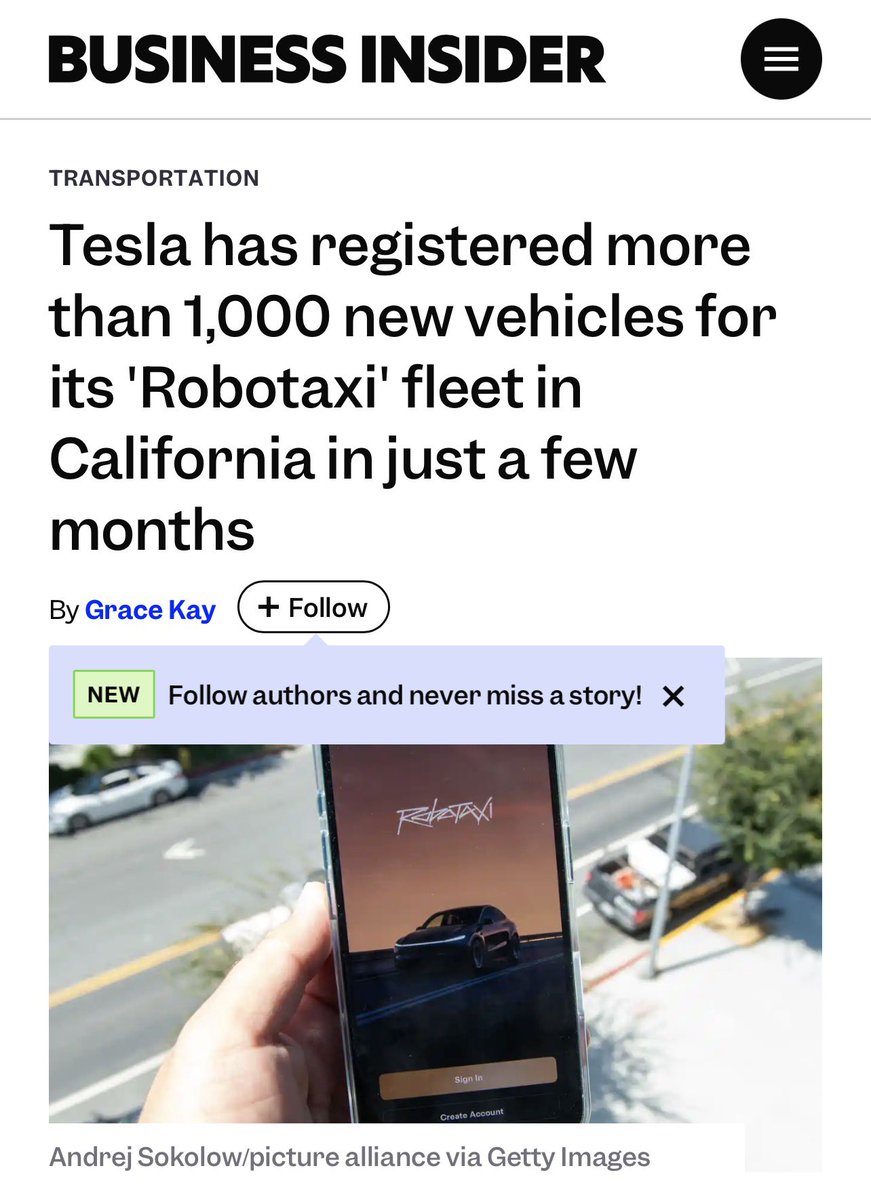
The competition in the autonomous ride-hailing industry is heating up as Tesla rapidly expands its fleet in the Bay Area. Recent data shows that Tesla has registered 1,655 vehicles and 798 drivers with the California Public Utilities Commission (CPUC), marking a dramatic increase from the initial figures.
From Humble Beginnings to Meteoric Rise
Back in August, Tesla launched its ride-hailing service with a modest fleet of 28 cars and 128 drivers. In a matter of months, these numbers have skyrocketed, showcasing not only Tesla’s operational capabilities but also the growing demand for autonomous ride-sharing services. This explosive growth affirms the sentiment shared by industry insiders that Tesla, known for pushing the envelope in automotive innovation, is now poised to make significant waves in the ride-hailing sector.
The Competitive Landscape: Waymo and Beyond
While Tesla’s growth is noteworthy, it’s essential to place these numbers in the broader context of the industry. Currently, Tesla’s fleet in the Bay Area is just 300 vehicles fewer than that of Waymo, a long-standing leader in autonomous vehicle technology. Waymo has set benchmarks in safety and technology advancements, and Tesla’s encroachment into its territory signals a new era of competition.
Despite being a late entrant into this space compared to Waymo, Tesla is leveraging its massive brand appeal and technological prowess to close this gap. The rivalry brewing between these two giants isn’t just a story of numbers; it’s a testament to the changing dynamics in the transportation sector, driven by innovation and consumer demand.
Challenges and Opportunities
Expanding a fleet at such a rapid pace is no small feat. Tesla faces a host of challenges, from regulatory compliance to ensuring the reliability and safety of its autonomous systems. Furthermore, customer acceptance and comfort with autonomous vehicles are pivotal to the continued success of Tesla’s ambitions in this domain.
Nevertheless, the opportunities for growth in this segment are vast. Cities around the world are grappling with congestion and pollution, sparking interest in eco-friendly transportation alternatives. Autonomous ride-sharing services could not only reduce the number of vehicles on the road but also streamline public transportation systems, making commuting more efficient.
The Road Ahead
As Tesla pushes forward, the race in the autonomous ride-hailing industry is set to intensify. Analysts are keen to see how these developments will influence broader market trends and consumer behavior. It is clear that whoever masters this technology first will have a significant advantage in not only the ride-hailing market but potentially in reshaping urban mobility as we know it.
Whether Tesla can maintain its growth trajectory and overcome the myriad of challenges that lie ahead remains an open question. However, their determination and rapid adaptation in the initial months offer a glimpse of what could be possible in the near future. As we watch this space evolve, one thing is certain – the future of transport is arriving faster than anticipated, and companies like Tesla are at the forefront, steering it in unprecedented directions.