Tesla’s AI Revolution: Beyond the Debate with Waymo
In the escalating competition of self-driving technology, Tesla’s AI developments represent a significant leap forward, transcending the traditional debates with rivals like Waymo. The spotlight is on Elon Musk’s bold remarks addressing former Tesla AI director Andrej Karpathy’s views, asserting that Tesla’s capabilities have evolved exponentially.
A New Era of Autonomous Intelligence
Tesla’s AI advancements have sparked conversations, particularly about the capacity of AI systems in autonomous vehicles. According to Musk, the current AI employed by Tesla surpasses intelligence metrics than any other system operating today. This assertion isn’t just marketing speak; it’s backed by Tesla’s extensive and unique access to real-world data.
The Power of Real-World Data
Where Tesla truly distinguishes itself is in its colossal database, gathered from millions of Teslas on roads globally. Every vehicle serves as a moving data collection unit, providing continuous feedback to Tesla’s neural network. This real-world approach allows for faster, more accurate learning cycles compared to competitors reliant on simulated environments. Tesla’s fleet encompasses billions of driven miles, each contributing to the iterative learning process critical for developing reliable autonomous technology.
Skepticism from Former Affiliates
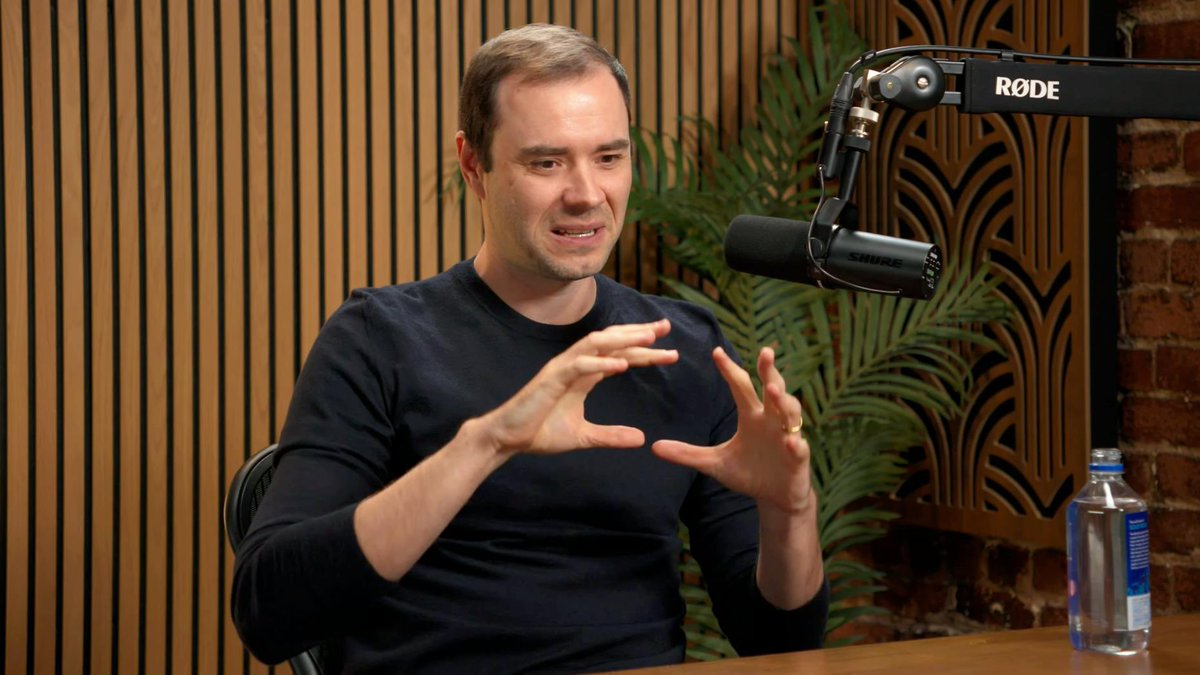
Andrej Karpathy, once a pivotal figure in Tesla’s AI endeavors, shared views that Musk now considers outdated. In contemporary developments, Karpathy’s past emphasis on certain metrics and processes doesn’t align with Musk’s vision of continually evolving machine learning systems that adapt through genuine driving conditions. Still, the differing perspectives highlight the dynamic nature of technological progress, especially in AI, where milestones are regularly redefined.
Beyond Lab Demos: Real-World Applications
Musk’s focus is clear: Demonstrating AI success in sterile lab conditions isn’t enough. Successful AI must perform effectively under the unpredictable circumstances that real roads present daily. This principle underpins Tesla’s commitment to refining its self-driving technology, making it safer and more efficient. The edge Tesla holds lies in everyday, real-world challenges faced by its AI, which contributes to the adaptable learning environment not replicated by traditional lab-based experiments.
Implications for the Future of Autonomous Driving
Tesla’s aggressive approach towards AI and real-world data accumulation may set new standards in the industry. Its technologies evolve beyond current regulations, pushing both competition and regulatory bodies to innovate and adapt. Musk’s bold strategy underscores a potential future where Tesla dictates the pace and nature of autonomous vehicle advancements.
The continual progression of Tesla’s AI initiatives not only upholds its position in the global autonomous vehicle sector but also challenges existing paradigms, fostering an environment ripe for innovation. As Musk leads Tesla into this next phase of AI excellence, the promise of full autonomy becomes increasingly feasible, emphasizing the power of learning from reality over theoretical projections.