Tesla’s FSD Ambitions in China Poised for Acceleration with New NVIDIA Chip Access
The electric vehicle industry in China is on the brink of a significant transformation. Tesla’s Full Self-Driving (FSD) capabilities could soon see accelerated progress now that a critical barrier has been lifted. The recent announcement of NVIDIA’s decision to ship its H200 chips to Chinese clients marks a pivotal moment for Tesla’s local operations.
Breaking Down the NVIDIA H200’s Role
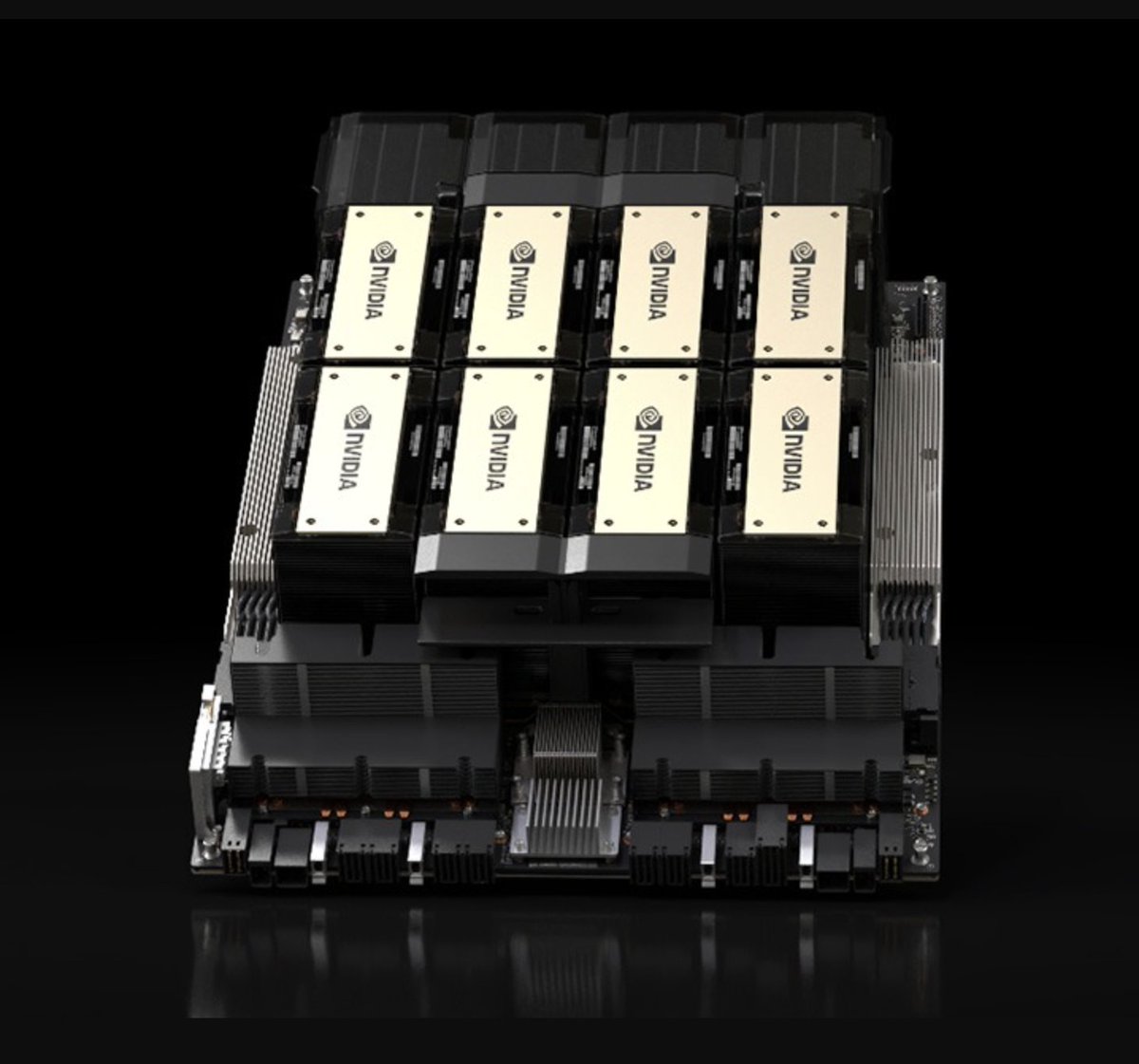
NVIDIA H200 chips are instrumental in the training of Tesla’s FSD software. These robust processors serve as the backbone of complex machine-learning tasks required for autonomous driving technologies. Until recently, restrictions on these chips’ availability in China hindered Tesla’s ability to fully integrate its FSD ecosystem domestically. The lifting of these bans opens up a realm of possibilities, allowing for substantial local data processing and training.
Impact on Tesla’s Operations in China
With the availability of the H200 chips, Tesla can now proceed with an integrated approach to FSD development within China. Previously, there were logistical challenges that necessitated the export of data for processing elsewhere. This added time and complexity to Tesla’s FSD initiatives. However, the local deployment of H200 chips means Tesla can retain, process, and utilize data within Chinese borders, thereby streamlining its efforts.
A Strategic Edge in the Chinese EV Market
China is one of the largest markets for electric vehicles globally, and Tesla has been strategically posturing to strengthen its foothold there. With domestic FSD training set to accelerate through NVIDIA’s chip deployment, Tesla is poised to offer more localized, responsive, and tech-savvy offerings to Chinese consumers. This could significantly elevate its status amid fierce competition from local and global EV manufacturers.
Innovation and Compliance
The potential integration of NVIDIA’s H200 chips into Tesla’s operations is not just about technological advancements but also about adhering to regional regulations. With data sovereignty being a crucial requirement in China, the ability to process data within the country aligns with regulatory expectations and simplifies compliance procedures.
Looking Ahead: A Timeline for Full Integration
Elon Musk’s projection for full FSD approval in China by the first quarter of 2026 hinges on these developments. With the anticipated delivery of H200 chips before the Chinese Spring Festival, Tesla is set to bridge the gap between data availability and computing power efficiently. A successful integration of these elements could pave the way for rapid advancements in Tesla’s autonomous driving capabilities, redefining market standards.
In conclusion, Tesla’s journey towards achieving complete autonomy within China is entering a crucial phase. The collaboration with NVIDIA and the strategic mobilization of the H200 chips underscore Tesla’s commitment to innovation and market leadership. As Tesla gears up for a transformative leap in the Chinese EV sector, all eyes are on how swiftly and effectively these integrations will unfold.
