
Tesla’s Latest Breakthrough in Sustainable Energy: The Advent of Sodium-Ion Technology
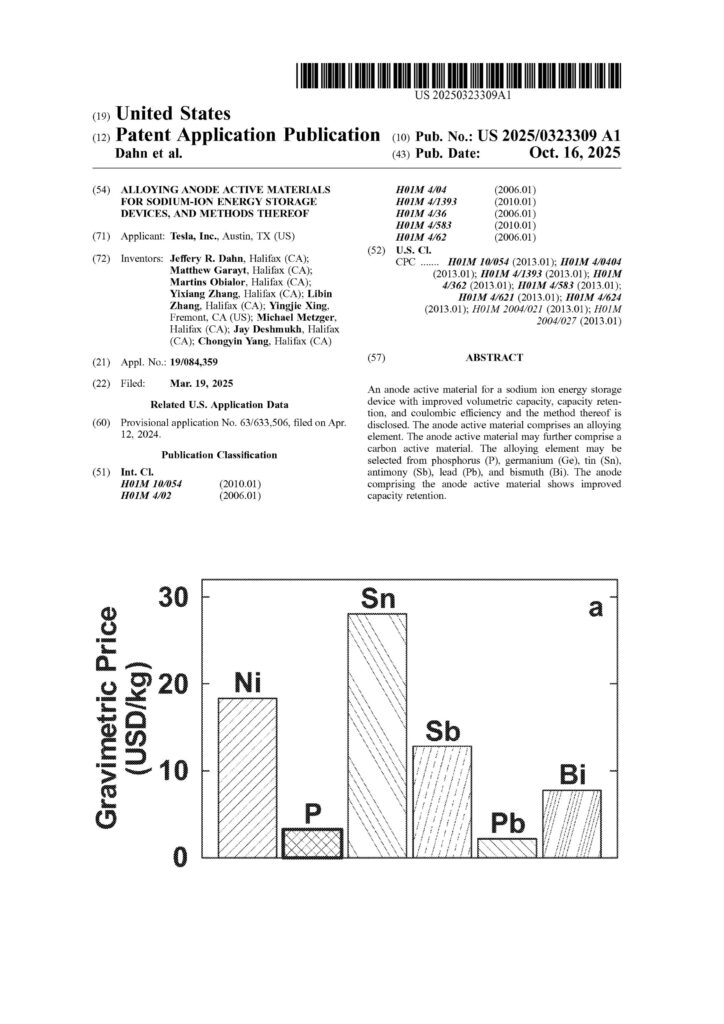
In an era where sustainable energy solutions are paramount, Tesla continues to lead the charge, quite literally. Early this year, Tesla has made headlines with a groundbreaking patent filing on its ‘Alloying Anode Active Materials for Sodium-Ion Energy Storage Devices’. This development marks a promising shift in the future of energy storage, promising innovations not just for electric vehicles but potentially altering the landscape of renewable energy storage as a whole.
An Innovative Leap: Beyond Lithium-Ion
For years, the automobile industry and energy sectors have relied heavily on lithium-ion batteries, given their efficiency and capacity. However, with the rise in electric vehicle production and renewable energy storage solutions, the demand for lithium has surged, highlighting concerns over supply chain stability and resource scarcity. Tesla’s foray into sodium-ion technology presents a viable alternative.
Sodium, being more abundant than lithium and evenly distributed across the globe, offers a sustainable resource solution. Tesla’s patent indicates a focus on ‘alloying anode materials’ which could address the limitations typically associated with sodium-ion batteries, such as energy density and cycle life, thus paving the way for cells that could rival their lithium-ion counterparts.
Implications for Electric Vehicles and Beyond
For consumers, this could translate into a new generation of electric vehicles with batteries that are not only cheaper to produce but are also more environmentally friendly. Moreover, sodium-ion batteries are inherently safer as they pose less risk of flammability, a critical consideration for extensive application in consumer electronics and large-scale energy storage.
Tesla’s innovation could see significant adoption within renewable energy storage systems. Given the variability of wind and solar energy output, having effective and sustainable energy storage solutions is essential.
The Global Impact: A Glimpse into the Future
As Tesla advances with its research and development in sodium-ion technology, the implications could be substantial. The UK, with its commitment to reducing greenhouse gas emissions and fostering electric vehicle adoption, stands to benefit greatly. The advent of this technology could support the UK’s ambitions to move away from fossil fuels and integrate more renewable energy sources into the grid efficiently.
The broader impact also touches on geopolitics. Sodium’s widespread availability reduces dependencies on few countries that dominate the lithium supply, potentially stabilizing prices and ensuring more equitable global resource distribution.
Challenges and Opportunities
While the potential is undeniable, transitioning from research to practical application poses challenges. Material costs, manufacturing processes, and system integrations need addressing. However, ceaseless innovation and investment in research by industry leaders like Tesla offer optimism.
Looking forward, partnerships between companies, governments, and academia in the UK may accelerate the pace of adoption and development, ensuring the country remains at the forefront of sustainable energy solutions.
Conclusion: Paving the Way for a Green Future
Tesla’s foray into sodium-ion technology aligns with global sustainable energy goals, offering a tantalizing glimpse into a greener future. The journey has just begun, but with Tesla leading the charge, a revolutionary change in how we store and consume energy might be on the horizon. The promise of sodium-ion energy storage could prove to be a cornerstone in achieving a sustainable, electrically-powered future.