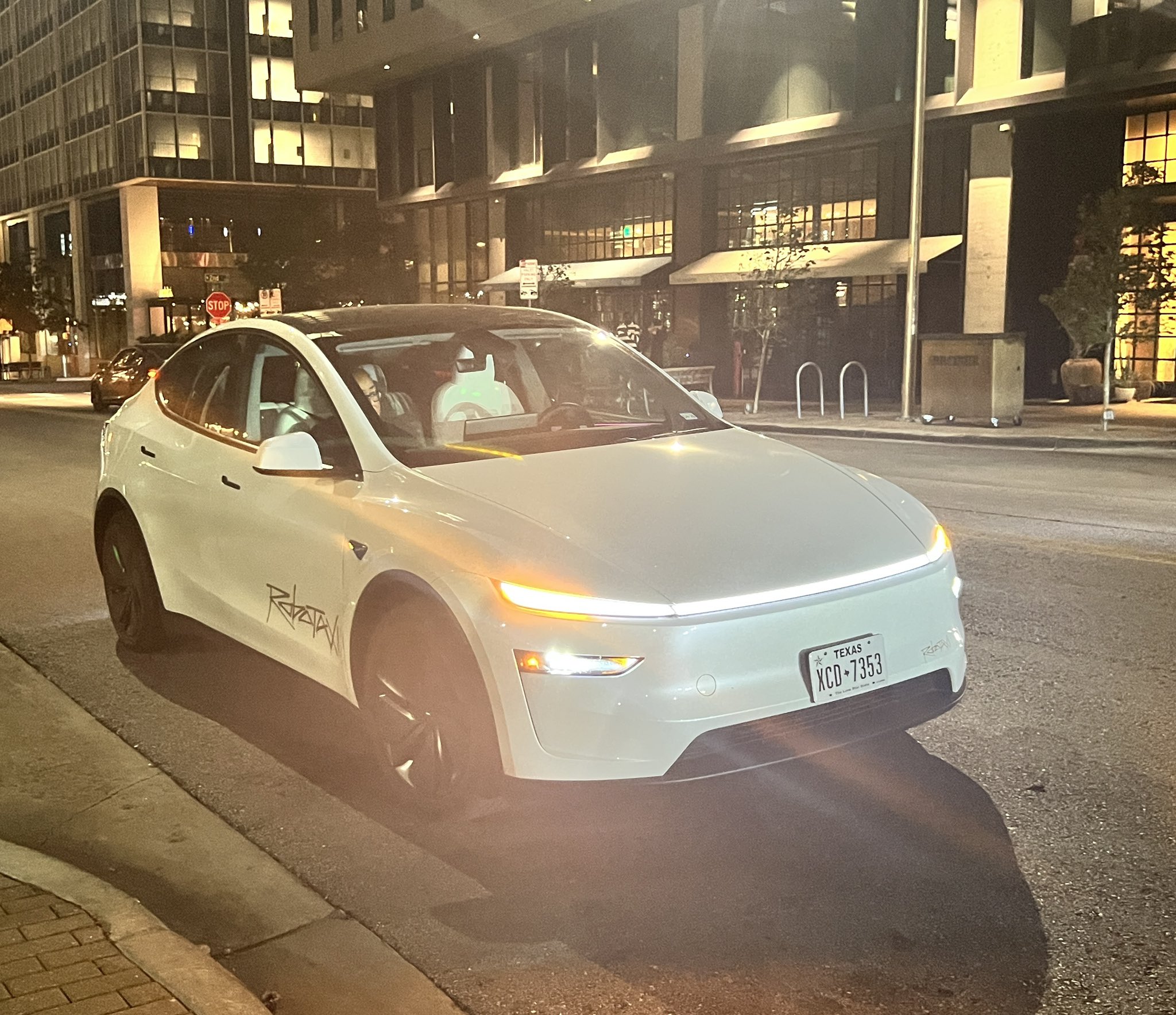
Tesla’s Robotaxi Trials in Japan Set to Revolutionize Urban Transport
In an exciting development for urban transportation, Tesla’s autonomous vehicle technology is poised to make its debut in Japan as the company plans to launch its Robotaxi operations soon. This cutting-edge move comes at a time when the demand for sustainable and efficient urban transport is higher than ever.
Transforming Commutes with Innovation
Japan, known for its technological prowess and efficient public transportation systems, is an ideal setting for the introduction of Tesla’s revolutionary Robotaxi service. This service aims to provide a seamless, environmentally friendly option for city dwellers, promising to transform daily commutes.
The implementation of autonomous vehicles in a densely populated region like Kanagawa Prefecture holds significant potential. The region’s diverse landscape will serve as a vital testing ground for Tesla’s technology, offering insights into its adaptability in varied urban environments.
From California to Kanagawa: Tesla’s Global Expansion
Tesla’s latest job postings, seeking “Vehicle Operator, Autopilot” in Kanagawa Prefecture, mirror similar positions in the United States, underscoring Tesla’s strategic vision for global expansion of its autonomous vehicle offerings. This expansion marks a significant step forward in the company’s ambition to diversify its geographical presence and effectiveness.
The role of Vehicle Operator, critical to the evaluation and refinement of Tesla’s Autopilot technology, involves the meticulous collection of data, necessitating a proactive presence in the vehicle to ensure safety and performance are top-notch. These efforts contribute to evolving a more robust and reliable system that will ultimately operate without human intervention.
Implications for Urban Mobility in the UK
The impending introduction of Tesla Robotaxis in Japan could serve as a precursor for similar advancements in the United Kingdom’s transport system. As the UK grapples with sustainable mobility challenges, Tesla’s venture could pave the way for adopting similar initiatives, presenting a tangible solution to urban congestion and pollution.
By observing Japan’s trial, UK policymakers and transportation authorities could draw valuable lessons in implementing autonomous technologies. This shift could spur advancements in regulatory frameworks and infrastructure development, crucial for facilitating the transition to autonomous urban transport.
Addressing Challenges and Easing Public Concerns
The deployment of autonomous vehicles is not without its challenges. Public safety concerns remain paramount as stakeholders work to reassure citizens about the reliability and security of this technology. Besides, updating infrastructure to accommodate autonomous vehicles will require significant investments and strategic collaborations between government and private sectors.
However, the potential benefits are immense. By reducing reliance on conventional cabs and personal vehicles, Robotaxis promise to lower traffic congestion, cut down on emissions, and offer a flexible, affordable transport option tailored to urban life.
The Path Ahead for Autonomous Vehicles
As Tesla gears up for its Robotaxi debut in Japan, the eyes of the world are watching. Successful implementation could lead to a ripple effect, influencing transport systems globally and accelerating the adoption of autonomous technology in urban environments.
For the UK, embracing this wave of innovation could shape the future of city transportation, making it more sustainable, efficient, and accessible. As countries like Japan test the waters, the UK has a unique opportunity to learn, adapt, and integrate these advancements into its transport systems, heralding a new era of mobility.