Tesla’s Strategic Moves in the South Korean Market: Opportunities and Challenges
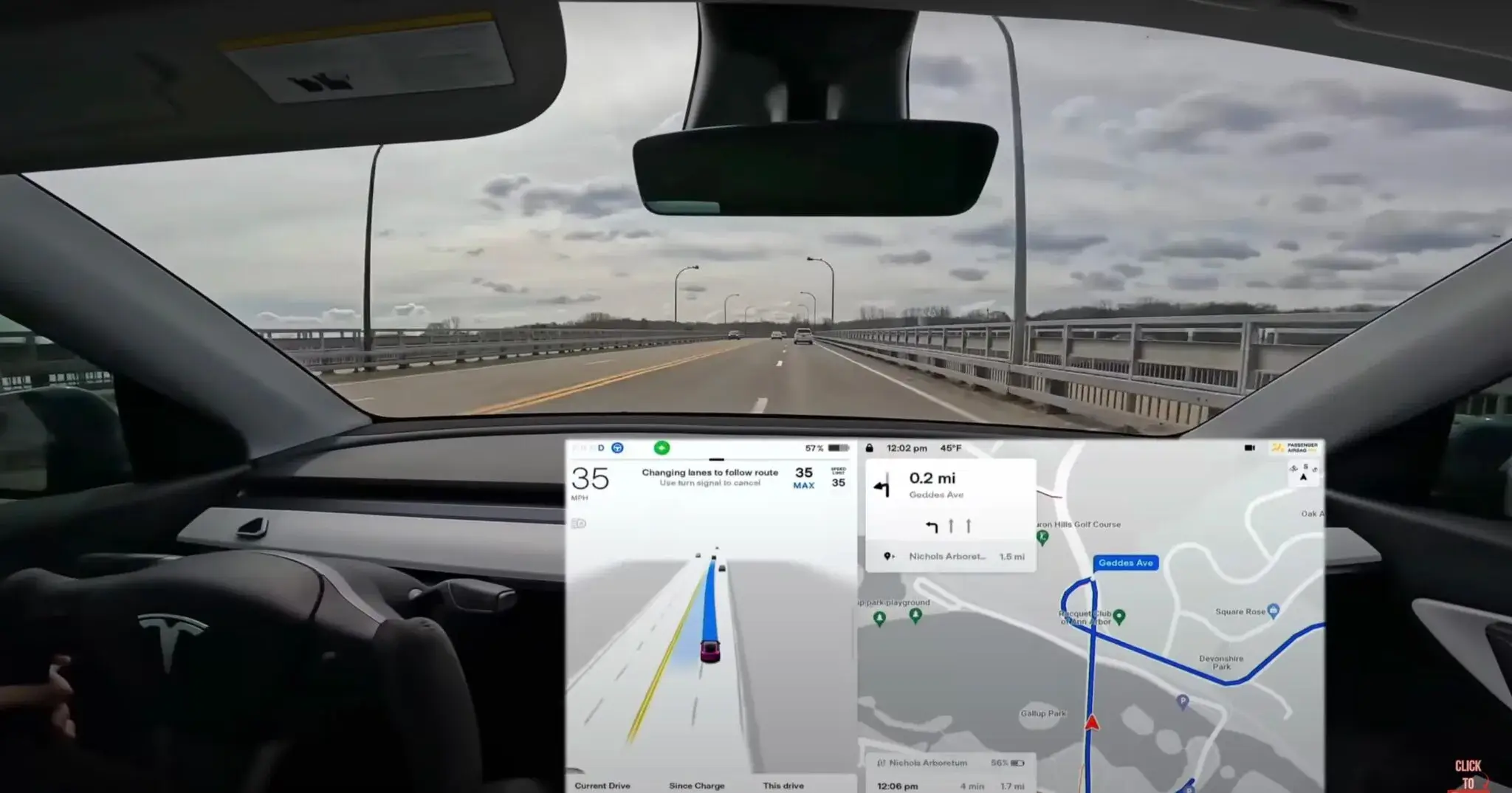
Tesla’s expansion into the global markets is nothing short of a revolution in the automobile industry. Its latest move involves the anticipated launch of Full Self-Driving (FSD) capabilities in South Korea. However, this strategic rollout is not without its hurdles, notably affecting the availability of certain vehicle models in the region.
Details of the Rollout
As confirmed in a recent statement, Tesla is preparing to introduce FSD technology to the South Korean market. Specifically, this launch will initially be limited to the Model S, Model X, and the eagerly awaited Cybertruck. All of these vehicles are equipped with the Hardware 4 (HW4) upgrades and are manufactured in the United States. This emphasis on HW4 ensures that customers can access the latest advancements in autonomous driving technology.
Manufacturing and Import Strategies
The roll-out strategy for Tesla in South Korea includes a critical assessment of its vehicle production and import strategies. Notably, Tesla Korea has suspended orders for the Model 3 and Model Y manufactured in the United States since July 2023. These models are now imported from the Tesla facility in Giga Shanghai, China. This shift highlights Tesla’s ongoing efforts to optimize its global supply chain to better meet regional demands.
Regulatory Challenges
Importing Model 3 and Model Y from China brings forth regulatory considerations. Vehicles produced at Giga Shanghai are subject to European regulatory standards, which might not immediately align with South Korea’s automotive regulations. As a result, these models require further validation before they can become functional in this new market. This regulatory disparity poses a significant challenge for Tesla, potentially impacting the roll-out timelines of these models in South Korea.
The South Korean Market: Future Prospects
South Korea represents a lucrative opportunity for Tesla, with its tech-savvy consumer base and significant government support for green technology. The eventual success of this FSD launch could significantly bolster Tesla’s position in the Asian market. However, the company’s ability to navigate through the intricate web of regional regulations and manufacturing logistics will determine its success.
Moreover, the delay in bringing some of its models to market may urge Tesla to either localize production more keenly or synchronize its manufacturing standards more closely with South Korean regulations in the future. These actions could enhance the smooth deployment of its full vehicle lineup, ensuring that Tesla maintains its competitive edge.
Conclusion
Tesla’s journey in South Korea represents both an opportunity and a challenge. Launching FSD in a new market underlines its commitment to global leadership in autonomous driving, yet it underscores the complex dynamics of international business strategies in the automotive sector. As both existing barriers and emerging opportunities unfold, Tesla’s actions in the coming months will be watched closely by the industry, investors, and automotive enthusiasts alike.