Tesla’s Unsupervised Robotaxis: A New Era in Automated Mobility in Austin
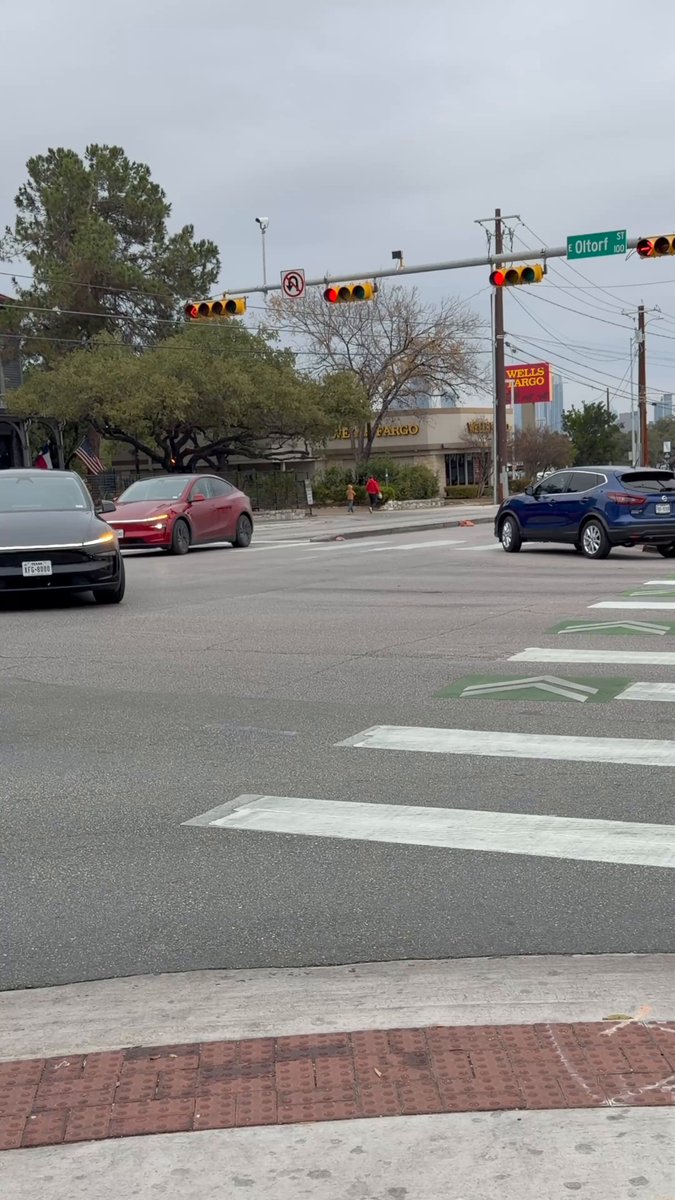
In a groundbreaking development for autonomous vehicles, Tesla’s Model Y has been spotted operating unsupervised on public roads in Austin, Texas. This notable sighting marks a significant step towards the era of fully autonomous ride-sharing services.
The Rise of Tesla’s Robotaxi Fleet
The revelation comes as Tesla continues to push the boundaries of self-driving technology. The specific instance involves two distinct Tesla Model Y vehicles, both operating independently with Full Self-Driving (FSD) mode activated and no human presence in the driver’s seat. Observers noted that the vehicles had different license plates, confirming their separate identities but shared purpose in testing this nascent technology.
Advancements in Full Self-Driving Technology
Tesla’s Full Self-Driving capability represents the company’s ambitious vision to create fully autonomous vehicles capable of navigating complex urban environments. This technology has been evolving rapidly over the years and continues to gather attention for its potential to reshape urban transportation.
The potential implications for urban mobility are significant, with the possibility of reducing human error-related accidents, optimizing traffic flow, and enhancing accessibility for non-drivers. However, Tesla’s FSD has not been without its concerns. The technology is still classified as a Level 2 semi-autonomous driving system according to the Society of Automotive Engineers’ five levels of driving automation, meaning active supervision is typically required.
Regulatory and Safety Challenges
As these autonomous vehicles roam Texas streets, questions surrounding regulatory frameworks and safety protocols arise. The introduction of unsupervised autonomous vehicles calls for a robust legal and ethical framework to ensure public safety and encourage technological advancement.
Authorities are tasked with balancing innovation and public safety, ensuring that these futuristic vehicles adhere to traffic laws and safety standards. It’s a move that requires comprehensive regulations to address the unique challenges posed by autonomous units.
Public Reception and Future Prospects
The public reaction to these unsupervised trials in Austin has been mixed. While technology enthusiasts celebrate this as a leap towards a fully autonomous future, some citizens are understandably wary of sharing the road with driverless vehicles.
Despite the concerns, the presence of these robotaxis sets the stage for a potential transformation in public transportation. If successful, it could lead to a future where commuters no longer rely on personally-owned vehicles but instead opt for convenient, shared autonomous mobility solutions.
As Tesla leads the charge in the automated vehicle sector, the implications for other companies and the broader market are immense. Competitors are likely to accelerate their efforts, thus fostering an innovation race that promises to redefine how people perceive and utilize transportation.
Ultimately, the sighting of a second Tesla Model Y Robotaxi on the roads of Austin serves as a compelling preview of what the future of urban mobility could hold, offering a glimpse into a world where technology drives us beyond current horizons.