The Autonomous Revolution: How Tesla’s Robotaxi is Redefining Urban Mobility
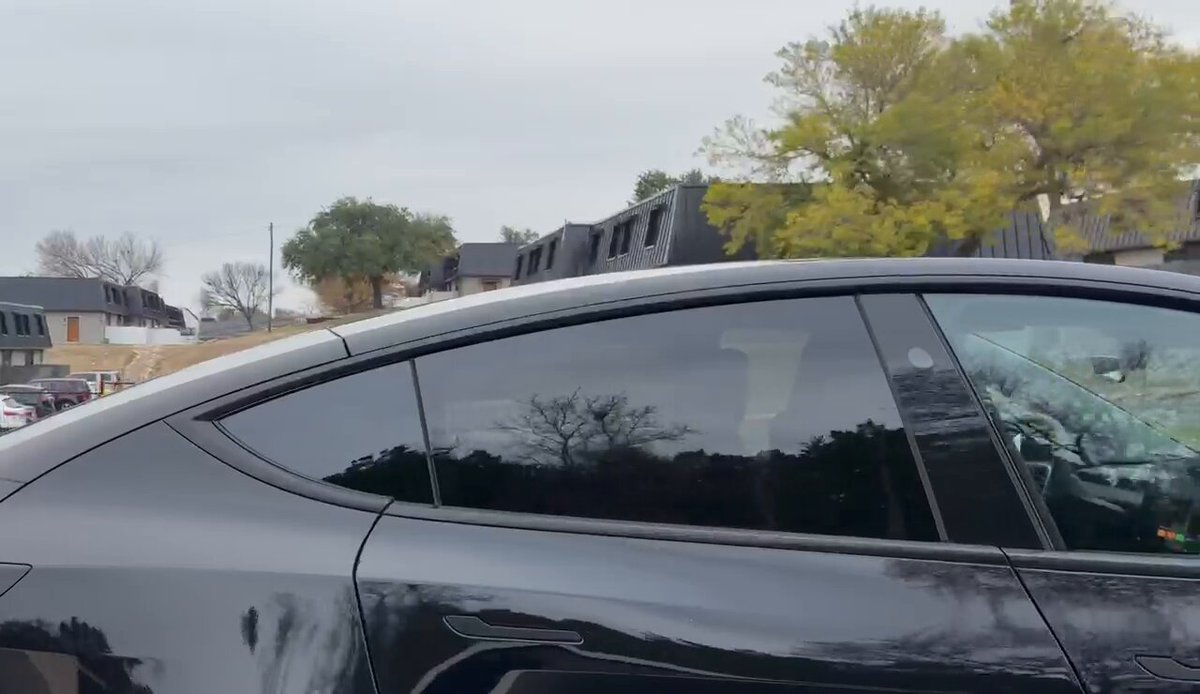
Tesla is rewriting the rules of urban transportation, as the sighting of a Model Y Robotaxi with no driver ushers us into a new era. Seen navigating autonomously on the streets of Austin, Texas, this development signals the dawn of a futuristic landscape of self-driving vehicles.
Emergence of the Fully Autonomous Vehicle
The sighting of the driverless Tesla Model Y isn’t just another innovation; it’s a game-changer in urban mobility. This event marks the real-world application of technologies long dreamt of and researched. As autonomous vehicle (AV) technologies evolve, Tesla is at the forefront, dramatically transforming the transportation sector.
How Tesla Achieved This Milestone
Central to Tesla’s autonomous prowess is its advanced Full Self-Driving (FSD) software. The software uses an intricate web of sensors, cameras, and machine learning algorithms to navigate traffic, making split-second decisions, and ensuring safety and efficiency. This Robotaxi is a testament to Tesla’s cutting-edge capabilities that combine innovation with practicality.
The Urban Impact of Robotaxis
As robotaxis begin to populate our roads, they promise to offer transformative safety and efficiency benefits. By eliminating human error, these vehicles could drastically reduce accident rates. Additionally, they present an opportunity to reshape public transportation, reducing congestion and potentially redefining infrastructure needs in urban areas.
Regulatory and Ethical Challenges
Despite the positive potential, the introduction of autonomous vehicles comes with its own set of challenges. Regulatory hurdles and ethical dilemmas, such as decision-making in unavoidable crash scenarios, are at the forefront of discussions. Governments and private enterprises must collaborate to create frameworks that balance innovation with safety and public acceptance.
Global Implications and Future Prospects
The rollout of Tesla’s Robotaxi is just the beginning. As nations observe the development in the US, a ripple effect on global urban mobility is inevitable. The potential benefits of reduced emissions, enhanced safety, and cost savings make the prospect highly attractive to urban planners worldwide.
Envisioning cities transformed by AVs might have seemed like science fiction a little over a decade ago; however, Tesla’s milestones dictate that such transformations are not just possible, but imminent. As we stand at the cusp of the autonomous revolution, stakeholders in the automotive and IT sectors are urged to prepare for a future where vehicles drive themselves.