The Push for Full Self-Driving Tesla Approval in Europe: A Call to Action
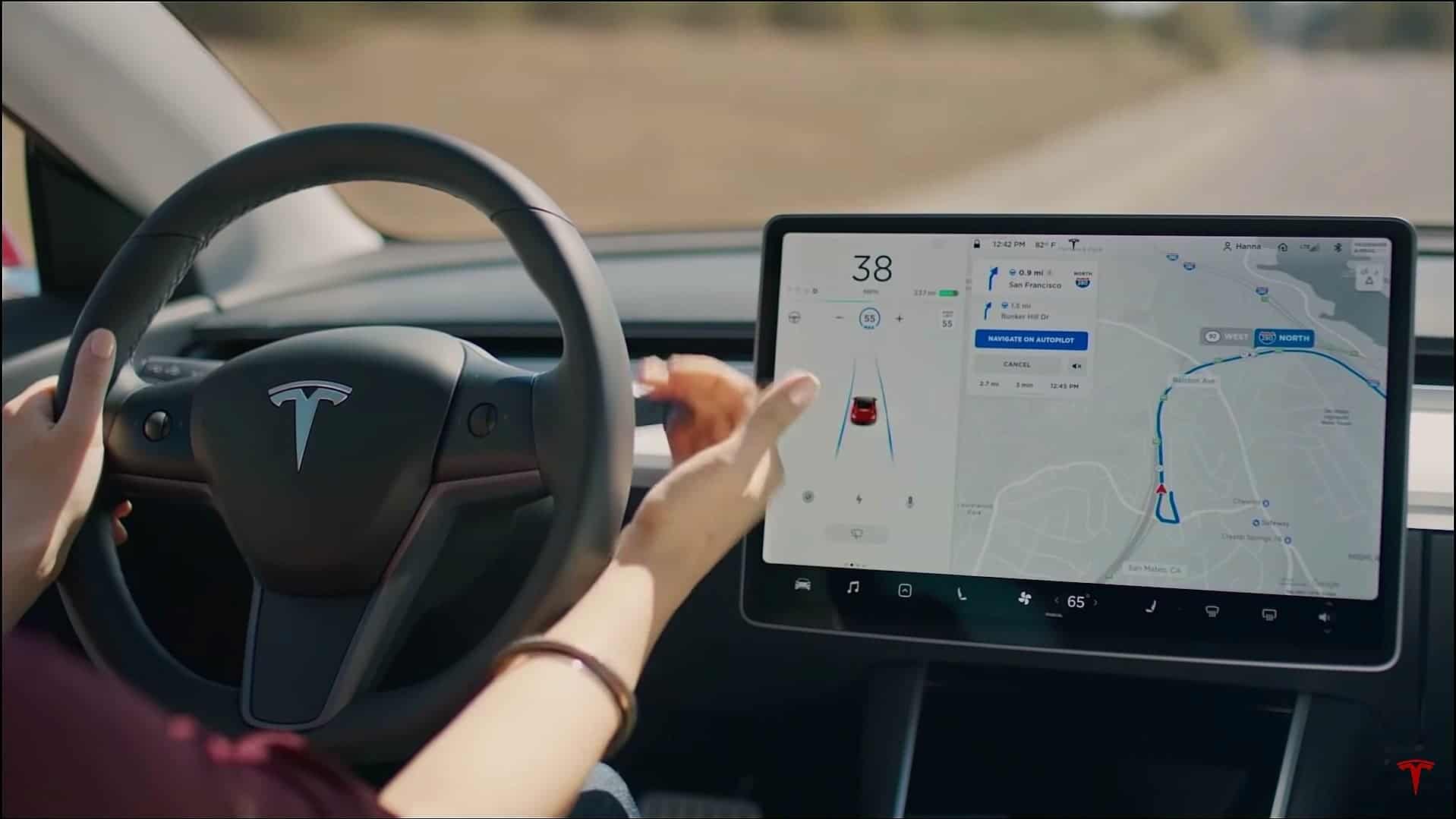
Tesla has long been at the forefront of innovation in the electric vehicle market. Among its most high-profile innovations is the Full Self-Driving (FSD) system, which promises to revolutionize how we interact with and experience cars. Across the globe, Tesla’s FSD feature has sparked debate over its potential to transform transportation by significantly reducing road traffic accidents and improving travel efficiency. However, for European Tesla enthusiasts, accessing this cutting-edge technology remains a significant hurdle.
The Promise of Supervised Autonomous Driving
Over the years, Tesla has repeatedly assured its customers worldwide of the capabilities of its FSD system. In regions like North America, Tesla has been making strides in testing and rollout phases, providing some users with a supervised version. The ambition is clear: to usher in a future where human intervention is minimal, paving the way for a new era in personal transport.
However, in Europe, this vision has not yet been fully realized. Regulatory constraints and cautious approaches from authorities have meant that European drivers are often left watching from the sidelines as other regions take the lead. This situation has led to frustration among Tesla owners and enthusiasts who are eager to embrace the full potential of their vehicles.
Regulatory Challenges Facing Europe
One of the main obstacles to the full implementation of FSD in Europe is stringent regulatory frameworks. These frameworks are designed to ensure the safety of autonomous technologies for daily use, a mission that both Tesla and European authorities have in common. However, the pace of technological innovation often outstrips the speed of bureaucratic processes.
Europe’s multi-national regulatory structure adds another layer of complexity. Policies must cater to diverse national laws and considerations before a pan-European rollout becomes feasible. This complexity results in delays in approval, leaving Tesla’s Full Self-Driving units relatively dormant on the continent.
Grassroots Movements and Public Advocacy
Faced with these challenges, grassroots movements have begun to form, aiming to raise awareness and prompt action from regulators. Recently, there has been a significant push from Tesla owners, enthusiasts, and concerned citizens who have launched a petition. This initiative calls on European authorities to expedite the regulatory approval process, helping to pave the way for widespread FSD adoption.
This petition underscores a growing sentiment among European drivers that the continent risks falling behind in adopting next-generation automotive technologies. By voicing their collective demands, they hope to influence policy and propel Europe into the future of driving.
The Road Ahead: Expectations and Impacts
As momentum builds, the potential benefits of accelerating the approval of FSD in Europe are manifold. Enhanced road safety, decreased traffic congestion, and less environmental impact through optimized driving patterns are just a few of the expected outcomes.
Furthermore, by embracing autonomous technology, Europe could strengthen its role as a leader in innovation, positioning itself at the forefront of smart technologies in automotive industries. Such advancements could boost industrial growth, create jobs, and ultimately benefit the economy.
It remains to be seen how quickly European bureaucrats will respond to the groundswell of public support for FSD technology. What is clear, however, is that this initiative has opened up broader conversations about the future of automotive technologies and Europe’s position in this evolving landscape.
For those interested in supporting the movement, signing the petition could be a step towards accelerating change and enabling a fully autonomous future for Europe’s roadways.