The Rising Role of Energy Storage in Stabilizing AI-Driven Power Demands
The rapid evolution of artificial intelligence technology is transforming industries across the globe. However, this growth brings its own set of challenges, particularly in regard to energy consumption. Recent discussions among industry experts, such as CNBC’s Mad Money host Jim Cramer, emphasize the need for innovative solutions to address the increasingly volatile power demands of AI model training.
The Catalyst for Energy Storage Innovation
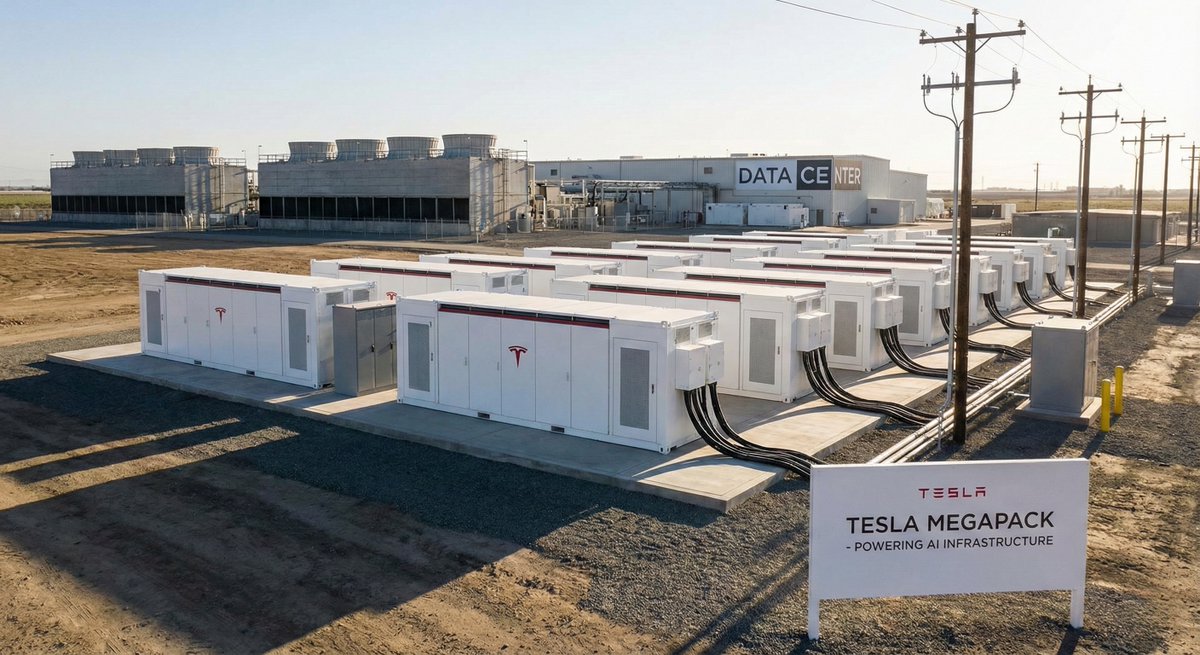
As AI models require extensive computational power, they often lead to significant spikes in electricity use. According to recent data disclosed by Tesla, training AI models on advanced GPUs can cause power demand to vary by up to 90%, posing a serious threat to grid stability. This presents a unique opportunity for energy storage solutions like Tesla’s Megapack batteries to become a critical component in safeguarding data center operations.
From Backup to Essential Infrastructure
Historically, battery systems in data centers served primarily as backup power sources. However, the growing fluctuations in power demand necessitate a re-evaluation of their roles. Enter the Megapack: not just a precautionary backup, these high-capacity storage systems are now becoming integral to maintaining consistent power supply amidst erratic AI training cycles.
Wall Street’s Focus Shifts to Energy Storage
The importance of energy storage systems is captured by Cramer’s analysis, as he highlights the battery technology’s newfound significance on Wall Street. With companies like Tesla leading the charge, the link between data center reliability and battery technology is drawing increased investor attention. The implication is clear: investing in robust energy storage solutions is no longer optional, but necessary for future-proofing data center operations.
Navigating the Challenges of AI Energy Consumption
The unpredictable energy consumption of AI systems requires dynamic solutions that can react swiftly to fluctuating demands. Advanced battery systems like the Megapack can absorb excess power during low-demand periods and release it when spikes occur, effectively ‘smoothing out’ the power curve. This capability not only protects the existing electrical grid but also enhances the operational efficiency of data centers by minimizing energy waste and reducing costs.
Strategic Implications for the Energy and Tech Sectors
For tech companies intent on expanding their AI capabilities, strategic investments in energy storage are quickly becoming a priority. As data centers become more reliant on AI, the need for dependable and adaptable energy solutions will grow. Tesla’s ability to pivot and address this pressing need illustrates a shift in corporate strategy towards integrating energy considerations into core business operations.
The Future of AI and Energy Convergence
As AI technologies continue to evolve, the energy demands they impose will only increase. In response, the energy sector must also innovate and expand, keeping pace with these technological advancements. Companies at the intersection of these fields, like Tesla, are well-positioned to lead this transformation, setting the stage for a future where energy stability will underpin the technological advancements in AI.
The narrative surrounding this shift is evolving, and soon energy storage will be as synonymous with AI infrastructure as data servers themselves. As Jim Cramer aptly points out, the conversation around batteries and their pivotal role in industrial stability is only just beginning.