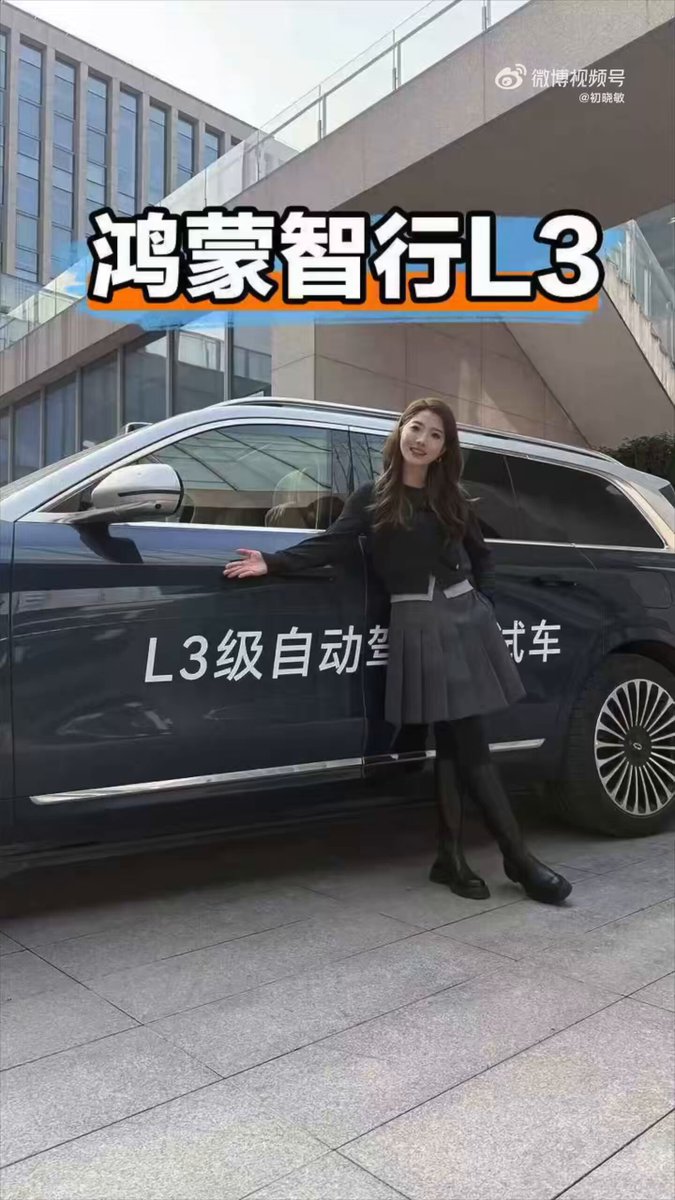
Huawei’s “L3 Color” Reveal: The Genius UI Change That’s Redefining Autonomous Driving
The advent of Level 3 autonomy in automobiles is shaping the future of transportation, offering a sophisticated blend of technology and user interface advancements. Recently, China’s own AITO M9 and Huawei’s Qiankun ADS have showcased the potential of these innovations, setting new benchmarks in the autonomous driving sphere.
Defining Level 3 Autonomy in Modern Vehicles
Unlike its predecessors, Level 3 autonomous driving permits the driver to relinquish control of the vehicle under specific conditions. It bridges the gap between partial and full autonomy by leveraging advanced sensor systems and AI-driven algorithms to guide the vehicle, yet still necessitating driver intervention when necessary.
User Interface Innovations to Enhance Experience
A defining feature of these new systems is their user interfaces, which depart from the traditional dual-roller controls, now favoring a dedicated activation button. This design evolution is supported by a unique “L3 color” scheme on the digital display to signal engagement and readiness, ensuring drivers are continually aware of the vehicle’s operating status.
Safety First: Autonomous Features and Limitations
Even with hands-off capabilities, these systems enforce safety by maintaining clear boundaries. Level 3 vehicles are installed with comprehensive “fail-safe” mechanisms to manage situations where a driver may not be responsive to takeover requests due to incapacity. In such instances, the vehicle can independently maneuver to a secure stop and alert emergency services by projecting a SOS signal from the headlights.
Operational Capabilities Under Various Conditions
One of the hallmark features of Level 3 autonomy in the AITO M9 and Qiankun ADS is their operational reliability. These systems can execute safely at speeds ranging from 1 to 150 km/h while functioning efficiently under adverse weather conditions such as rain, fog, and dust, significantly enhancing the car’s capabilities over previous models.
The Road Ahead for Autonomous Driving
While Level 3 technology represents a significant leap forward, it’s not an endpoint. Automakers and tech giants like Huawei continue to explore ways to refine these technologies and reduce the limitations that come with this level of autonomy. The ultimate goal remains to achieve full autonomy, but until then, the strides made in Level 3 technology are commendable and offer exciting possibilities for future advancements.
As Level 3 continues to evolve, it’s clear that the technology, interface changes, and safety mechanisms are pivotal to creating a seamless transition toward a digitally driven and automated future of transportation.