Waymo Reopens San Francisco Robotaxi Service Amid Uncertain Times
The dawn of autonomous vehicles, notably Waymo’s robotaxi service, marks a significant milestone in urban mobility. Recently, Waymo announced the resumption of its robotaxi operations in San Francisco, following an unexpected suspension caused by a citywide electricity blackout. This development is pivotal not only for Waymo but also for the autonomous vehicle industry as a whole, as it navigates the complexities of integrating advanced technology in real-world scenarios.
The Impact of Autonomous Vehicles in Urban Areas
The adoption of autonomous vehicles promises to reshape urban landscapes. By providing a convenient and efficient transportation option, they have the potential to reduce traffic congestion and lower emissions. However, events like the blackout in San Francisco highlight the challenges that arise when cutting-edge technology meets existing infrastructure.
Waymo’s Commitment to Safety and Reliability
Waymo’s operations in San Francisco had to be quickly halted as the blackout affected numerous components of the city’s infrastructure, causing concerns over the safety and reliability of autonomous services. In addressing these concerns, Waymo has reinforced its commitment to ensuring passenger safety by implementing enhanced protocols and redundant systems to mitigate disruptions.
Autonomous versus Traditional Car Services
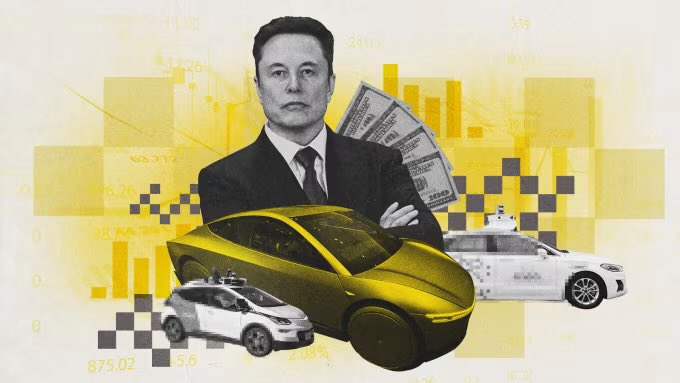
In contrast to Waymo’s blackout-induced halt, Tesla’s car service remained unaffected by the incident, as per statements by Elon Musk. Tesla’s strategy appears to emphasize a hybrid approach where human monitoring complements automation, thus providing an additional layer of resilience. This highlights one of the key debates within the industry: the balance between full autonomy and human oversight.
Challenges and Opportunities Ahead
While the resumption of Waymo’s services is a positive step forward, the incident underscores the ongoing challenges autonomous vehicles face in real-world applications, particularly concerning infrastructure dependency. It also presents an opportunity for further innovation, encouraging developers to design more robust systems capable of operating independently of existing urban infrastructures.
The Future of Autonomous Transport
As we move forward, the successful integration of autonomous vehicles will depend heavily on collaboration between technology companies, urban planners, and government entities. By addressing infrastructural vulnerabilities and enhancing system reliability, autonomous vehicles like Waymo’s robotaxis can gracefully merge into our daily lives, promising a revolutionized transportation landscape.
Conclusion
Waymo’s return to San Francisco’s streets is a testament to the resilience and potential of autonomous vehicle technology. While challenges remain, continued innovation and strategic partnerships are likely to forge a path towards a more sustainable and efficient urban mobility landscape. This is not just a pivotal moment for Waymo, but a herald for the possibilities inherent in autonomous transportation worldwide.
