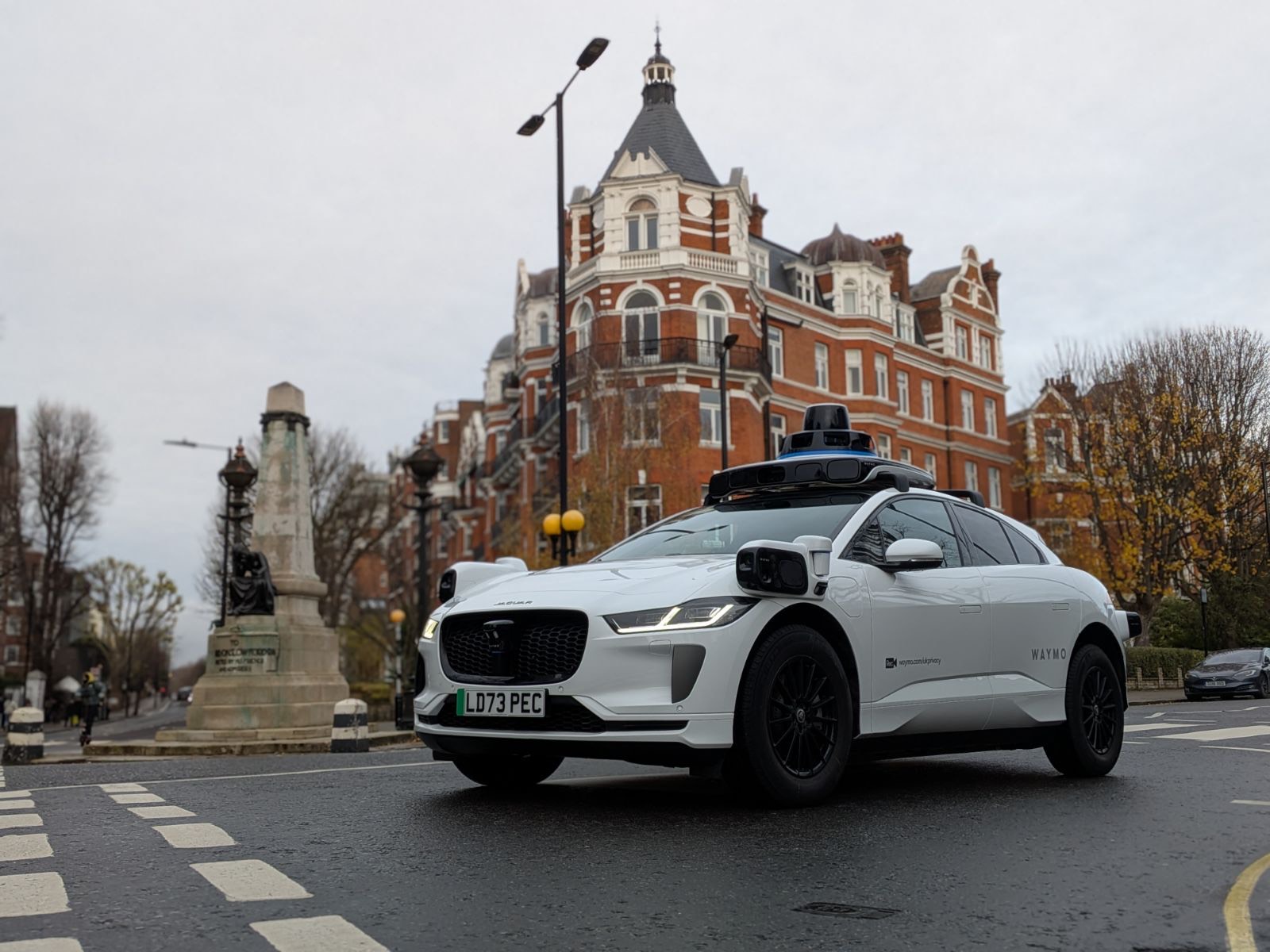
Waymo’s Ambitious Plan to Launch Autonomous Taxi Services in London
Alphabet’s autonomous driving subsidiary, Waymo, is set to expand its groundbreaking services beyond the United States, zeroing in on Europe with an ambitious plan to operate commercial services in London’s bustling streets as early as next year. With this strategic move, Waymo aims to become the first major player in the autonomous vehicle industry to launch such a service on the historic streets of the Old Continent.
Waymo’s Strategy for Europe
As announced on October 15th, Waymo plans to deploy a fleet of Jaguar I-Pace vehicles equipped with its cutting-edge autonomous driving technology in the UK capital. The goal is to launch a driverless commercial service next year. However, before fully autonomous operations commence, initial trials will see these vehicles operated with a safety driver at the helm, navigating the complex urban landscape of London.
Partnerships to Propel Success
The success of Waymo’s European endeavor will be significantly supported by a partnership with Moove, a Nigerian fintech company specializing in vehicle financing. Moove has established itself as a key player in managing Waymo’s autonomous taxi fleet already operational in Phoenix, Arizona. In London, Moove will oversee the operational logistics of this advanced fleet, contributing its expertise in the autonomous vehicle sector.
Anticipation and Expectations
The announcement of Waymo’s entry into Europe has sparked considerable interest and anticipation. However, details remain sparse regarding the exact timeline for the commencement of full-scale driverless trials or the number of vehicles that will be initially deployed. The transition from safety-driver trials to fully autonomous operations is highly dependent on regulatory approvals and the adaptation to London’s unique traffic conditions.
Implications and Impact
The planned deployment of autonomous taxis in London represents not only a technological venture but also a substantial move towards reshaping urban mobility. The potential reduction in traffic congestion, lower emissions from electric vehicles, and enhanced safety standards are some benefits often cited by supporters of autonomous technology. However, challenges such as public acceptance, regulatory compliance, and the integration into existing transportation systems remain pivotal.
Looking Ahead
The introduction of Waymo’s services in London could serve as a pivotal moment for the autonomous vehicle industry, influencing policymakers, competitors, and the public’s perception of driverless technology. If successful, London may soon be at the forefront of a transport revolution that balances innovation with the city’s century-old charm. With its sights firmly set on transforming urban mobility, Waymo is gearing up to make a significant mark in the UK.
As the automotive landscape continues to evolve rapidly, Waymo’s planned venture marks a significant step towards realizing the potential of autonomous technologies on a global scale. Observers and industry stakeholders will be closely watching how Waymo navigates this complex terrain, hopeful of a future where autonomous taxis become a staple in modern city life.