The sight at the Giga Texas Crash Testing Facility today offers a glimpse into the future of electric fleet management. While the focus might traditionally lie on the vehicles themselves, the activities ongoing at this facility tell a nuanced story about aspects that might redefine urban transportation systems.
Advanced Testing of Cybercab Fleets
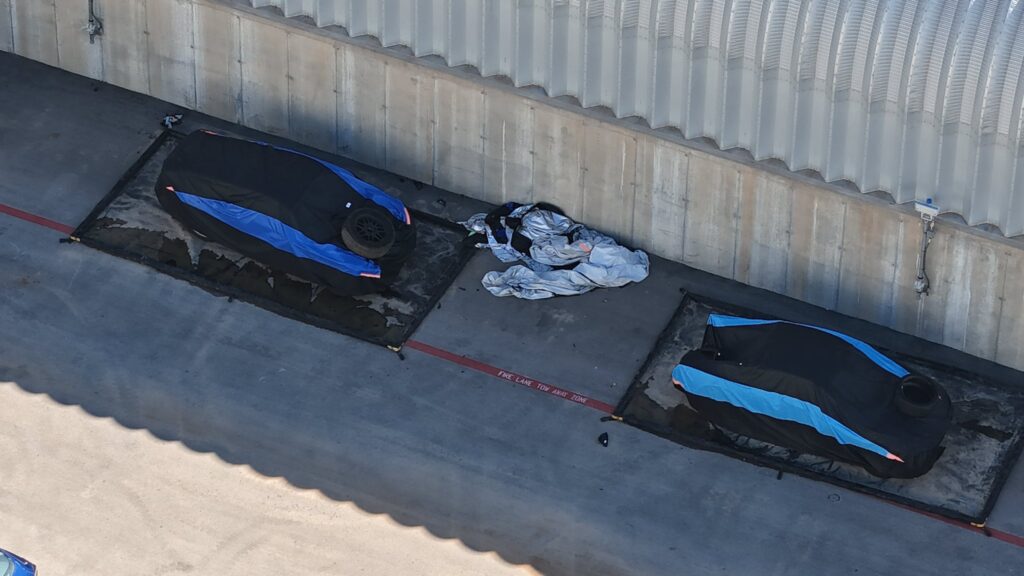
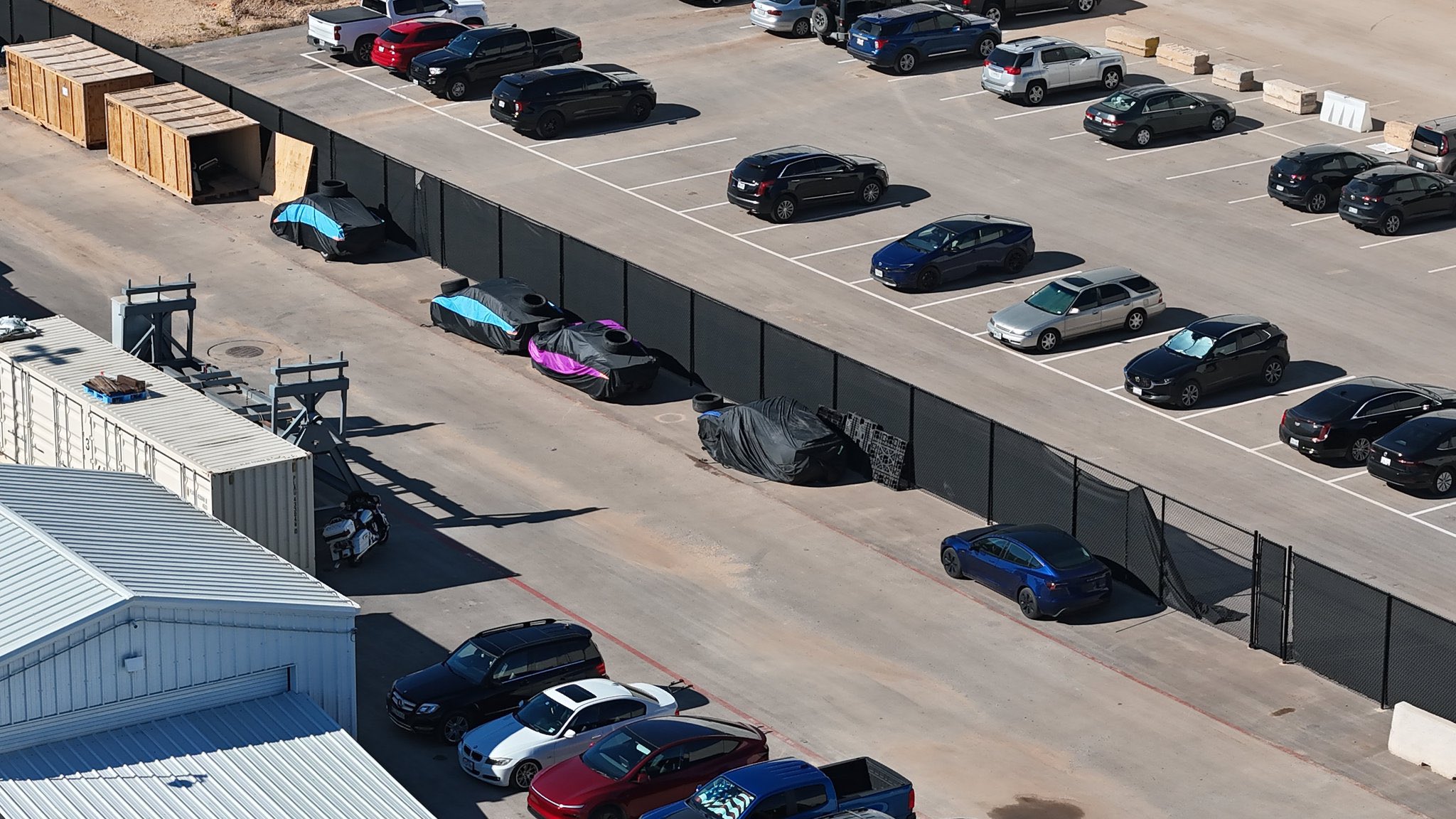
The photos surfacing from Giga Texas show a collection of nearly ten Cybercabs, hinting at rigorous testing protocols being administered. These vehicles, shrouded under covers, indicate a testing phase that potentially includes stress tests, endurance trials, and crash analysis. The presence of side mirrors on these models suggests they incorporate conventional design elements, likely to comply with regulatory standards until self-driving technologies become fully mainstream.
Sustainability Through Disassembly and Recycling
Interestingly, the images reveal disassembled components such as hoods and seats within collection bins. This seems to imply a commitment to sustainability. Recycling automotive components is fast becoming integral to modern manufacturing, addressing both environmental concerns and cost-efficiency. The process of disassembly for recycling not only extends the lifecycle of materials but also paves the way for innovations in material sciences that reduce waste and carbon emissions.
The Role of Innovation at Giga Texas
This crash testing facility serves more than a singular purpose of evaluating vehicle safety. It’s a hub of innovation, hosting experiments that could revolutionize how we manage electric vehicle fleets. By examining components post-crash, engineers can refine their designs in real-time, leading to improvements in safety, efficiency, and durability. Such advancements are critical as urban centres worldwide shift towards electrified public transport solutions.
Enhancing Urban Transport Infrastructure
The implications of these developments at Giga Texas are significant for urban areas in the UK and beyond. With emphasis increasingly being placed on sustainable transport infrastructure, lessons from Cybercab testing could inform policymakers and city planners. Safety improvements and recycling practices demonstrated at this facility may well underscore the future strategies in public transport systems, guiding decisions about curbside charging stations and vehicle sharing platforms.
The Future of Electric Vehicles
While the visible progress at Giga Texas highlights an evolution in vehicle safety and sustainability practices, it is the unseen efforts beneath those vehicle covers that truly imagine the next frontier of electric vehicle innovation. From enhanced crash safety to eco-friendly recycling methods, these advancements will likely shape the strategies of automotive companies and urban planners globally, firmly positioning electric vehicles not only as alternatives but as cornerstones of future transport solutions.
As the conversation around electric fleet management continues to evolve, it’s clear that facilities like Giga Texas are at the forefront of bridging current technological capabilities with future innovations, crafting a roadmap that will eventually define the trajectory of urban mobility.