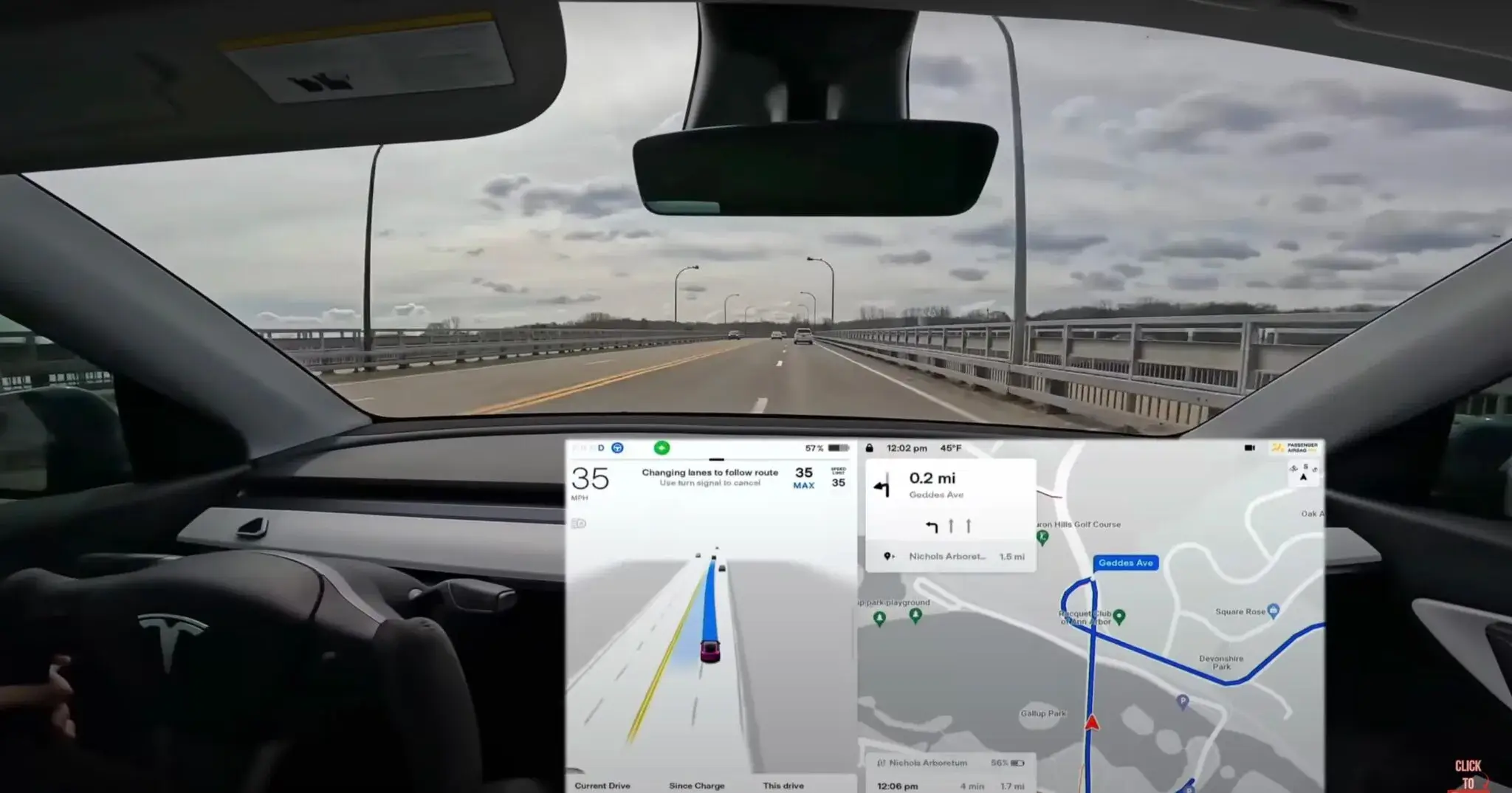
The world of automobile innovation is constantly evolving, yet few developments have captured the public’s imagination like Tesla’s Full Self-Driving (FSD) system. Known for pushing the boundaries of autonomous technology, Tesla continues to refine its FSD system under rigorous conditions. Recently, AutoBild, a leading European automotive magazine, took to the streets of Berlin to put this technology through its paces. The results were compelling.
The Dawn of Advanced Autonomy
Tesla’s FSD represents a significant leap forward in autonomous vehicle capabilities. The system, designed to navigate complex urban environments, has attracted considerable interest from both tech enthusiasts and potential consumers. As cities like Berlin become increasingly congested, the promise of a vehicle that can intelligently and safely navigate through such conditions is an exciting proposition.
Berlin’s Urban Test: Navigating Complexity with Ease
AutoBild’s testing adventure began in the heart of Berlin—an urban landscape characterized by bustling traffic, intricate road systems, and frequent construction zones. The ability of Tesla’s FSD to adapt to these ever-changing dynamics was a critical focus of the test.
Impressively, the FSD system detected potential hazards early. Whether it was a pedestrian approaching a crosswalk or an unexpected obstacle in the road, Tesla’s technology demonstrated proactive responses. This capability not only aims to enhance passenger comfort but also reduces the likelihood of accidents, contributing to overall urban safety.
Smooth Sailing with Minor Glitches
While the system performed with remarkable fluidity, the test wasn’t without its hiccups. During the test, an intervention was necessary when the FSD system encountered a modified one-way street. This incident highlights the challenges that autonomous systems face when interpreting complex urban layouts. Despite this minor setback, the system’s performance remained commendable, managing to seamlessly navigate through congestion and roadwork without further issues.
Implications for Future Urban Mobility
The implications of successful autonomous systems like Tesla’s FSD extend beyond technology. If consistently reliable, these systems could revolutionize urban mobility, reducing commute times and alleviating the stress of city driving. Moreover, the potential environmental benefits from reduced emissions through optimized driving patterns could contribute to sustainable urban growth.
Tesla’s Position in the Market
Tesla has established itself as a leader in automotive innovation, and its FSD system is a testament to the brand’s commitment to shaping the future of transportation. However, as competitors catch up and regulations evolve, it remains vital for Tesla to continue refining and demonstrating the reliability of its systems in real-world conditions.
Conclusion: A Promising but Challenging Path Ahead
Tesla’s FSD in Berlin reflects a significant stride in autonomous technology, offering a glimpse into a future where our cars drive us. Nonetheless, achieving full autonomy remains a complex challenge, requiring ongoing innovation, strong regulatory frameworks, and public acceptance. As Tesla navigates these challenges, its journey will undoubtedly pave the way for the future of autonomous urban mobility.
In conclusion, while Tesla’s FSD system is not flawless, its ability to navigate the complexities of urban life in cities like Berlin highlights the immense potential of autonomous vehicles. As advancements continue, the dream of city-friendly autonomous driving is gradually becoming a reality.
Source : Autobild