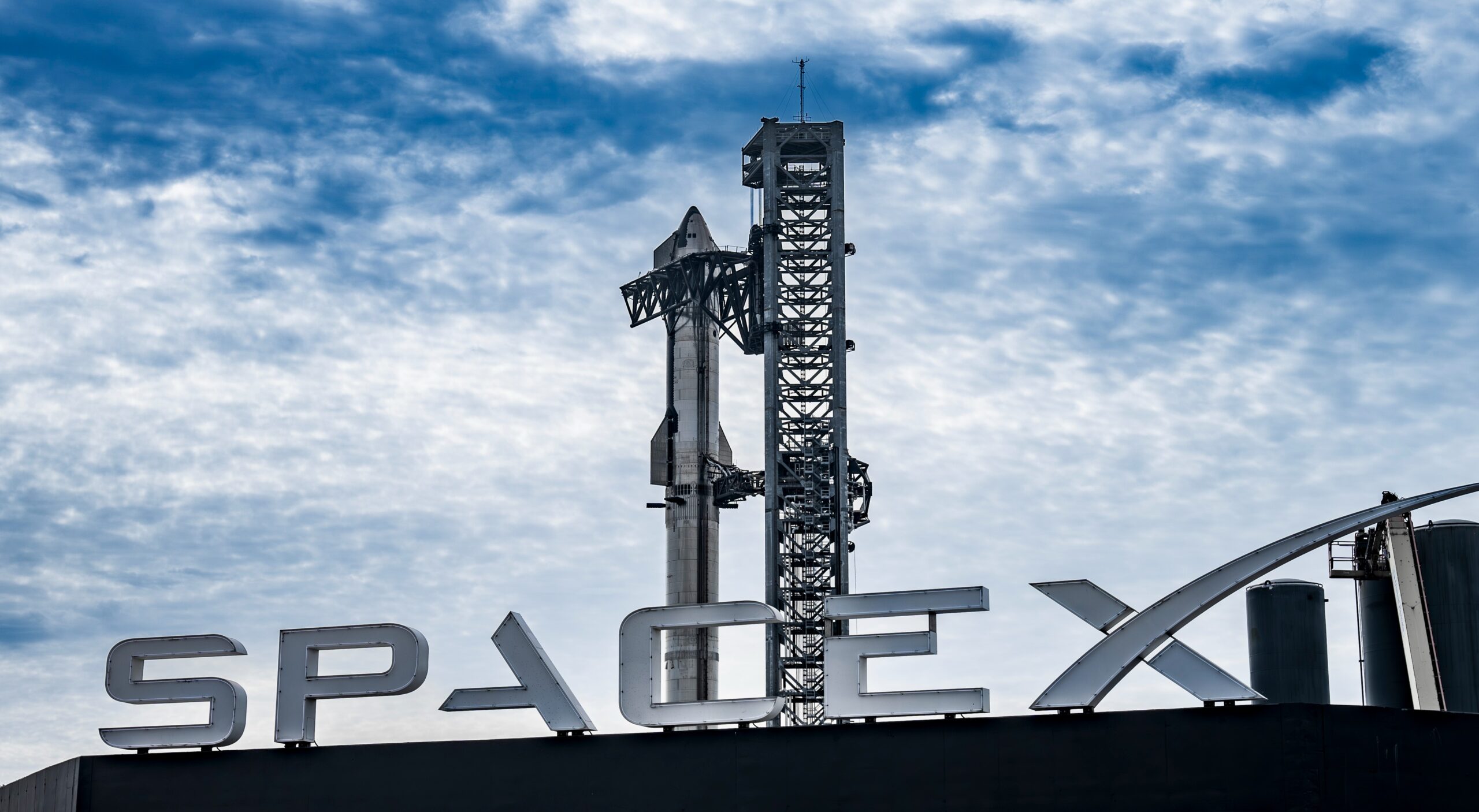
8 Million Users and a 2026 Revenue Triple: How SpaceX is Poised to Hit a $1.5 Trillion Valuation
In a rapidly advancing world, few companies capture the imagination and the market as effectively as SpaceX. With ambitious plans that span both terrestrial and extraterrestrial realms, SpaceX is swiftly becoming more than just a pivotal player in the aerospace sector. The company’s trajectory could redefine how we perceive space travel, internet access, and artificial intelligence—propelling technological evolution to unprecedented heights.
Starlink’s Significant Market Reach
A cornerstone of the SpaceX portfolio is Starlink, its satellite-based internet service. With projections to triple revenue by 2026, Starlink is on the brink of dominating the low Earth orbit (LEO) space, drawing parallels to Amazon’s AWS in terms of market potential. At present, Starlink boasts over 8 million subscribers, significantly outpacing competitors such as Amazon’s Project Kuiper which remains nascent by comparison. As space-based internet becomes a crucial global utility, Starlink’s unrivaled satellite constellation positions it as a revolutionary force in global communications.
AI Infrastructure Expanding Beyond Earth
While Starlink is making waves, SpaceX’s ambitious plan to develop space-based AI computing infrastructure heralds a new era of technological achievement. SpaceX intends to construct solar-powered AI data centers in space, providing a solution to Earth’s growing energy and computing demands. These AI satellites are not only innovative in design but also reflective of Elon Musk’s vision to surpass terrestrial limitations, embodying how space can meet future energy and data processing needs.
The SpaceX Vision for Interplanetary Life
No company is as synonymous with the vision of space colonization as SpaceX. With planned uncrewed Starship launches to Mars by 2026, Musk’s blueprint for a self-sustaining city on Mars within the next two decades captures the bold goals of his company. These milestones, while speculative in nature, are part of a broader mission to make humanity a multiplanetary species. The potential success of such ventures could pave the way for new economic opportunities, including asteroid mining and further space exploration.
The Economic Implications
The financial community views SpaceX’s potential initial public offering (IPO) as the largest in history, given its speculative $1.5 trillion valuation. However, traditional valuation metrics struggle to accurately capture the wide-ranging impacts of SpaceX’s endeavors. From potential monopolistic control over satellite internet to speculative AI advancements and interplanetary expansion, the valuation reflects both tangible growth and uncharted future possibilities. As such, investors are keenly aware of the balance of high risk with potentially transformative rewards.
Challenges and Prospects
Despite SpaceX’s impressive track record of overcoming technical and logistical obstacles, challenges remain formidable. Regulatory hurdles, technological reliability, and competitive pressures are just a few factors that could potentially affect SpaceX’s trajectory. Yet, the risk is matched by the company’s proven ability to innovate and lead. The future holds promise not only in achieving Musk’s ambitious plans but also in potentially reshaping industries across the globe.
SpaceX is not just a testament to what can be achieved with vision and ingenuity but is a harbinger of the future possibilities of human advancement. In a continually evolving economic and technological backdrop, SpaceX provides a blueprint for how companies can catalyze for global transformation—and perhaps even guide humanity to become an interplanetary civilization.