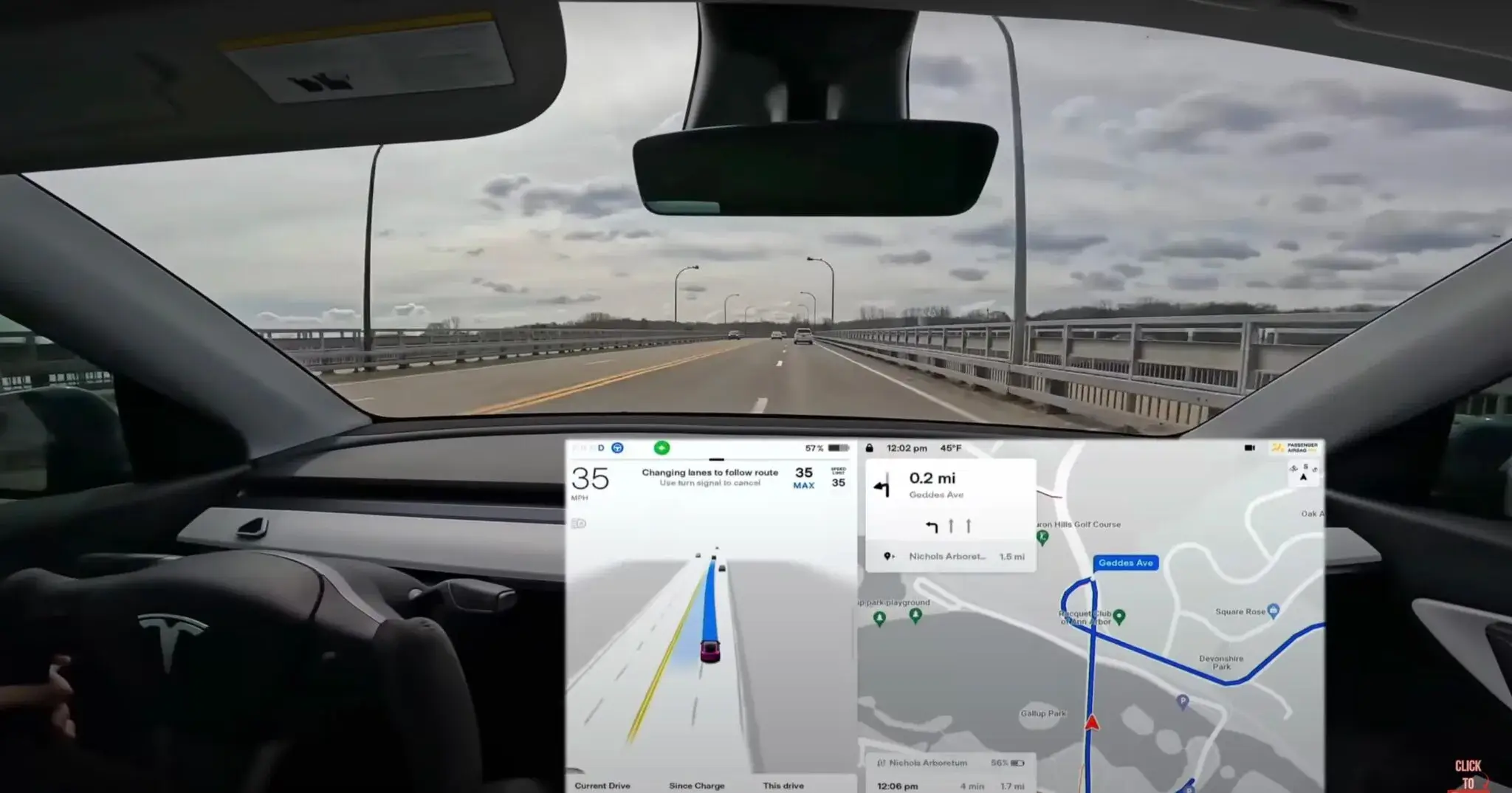
Tesla’s Roadmap for Autopilot Evolution: The Quest for the Perfect Drive
The journey of electric vehicles (EVs) towards full autonomy is a fascinating odyssey, with Tesla standing at the vanguard of this transformative technological race. In the latest update from the company, Tesla owners keenly await the rollout of the much-anticipated Full Self-Driving (FSD) V14 ‘lite’, sparking conversations and speculations about hardware advancements and existing installations.
Understanding Tesla’s Hardware Trajectory
Tesla’s current discourse centers on its Hardware 3 (HW3) system and the pending upgrades that can potentially redefine the driverless experience. Crucial to note is that the release of new hardware forms a tandem with significant software breakthroughs—specifically, the achievement of fully autonomous driving capabilities.
Recent insights suggest that while HW3 remains the backbone of Tesla vehicles, discussions around Hardware 4 (HW4) are picking up momentum. This next-generation hardware is broadly associated with expectations of superior processing power and sensor accuracy, laying the groundwork for the true essence of autonomy. Yet, Elon Musk has reiterated that these upgrades hinge on ‘solving’ FSD.
The Anticipation Surrounding FSD V14 ‘Lite’
The upcoming FSD V14 ‘lite’ has piqued the interest of Tesla’s fervent community. This version is poised to deliver incremental improvements, promising enhanced navigation and decision-making capabilities within urban environments. However, the exact scope of these improvements—and how they align with future hardware—remains a topic of intense speculative interest.
Musk and his team have tentatively pegged the release timeline at about four to seven months from now, igniting debates among enthusiasts on what this means for the broader Tesla ecosystem. Historically, each FSD iteration undergoes rigorous real-world testing, ensuring that any enhancements genuinely contribute to the electric cars’ seamless integration into daily life.
Speculations and Future Prospects
The conversation doesn’t stop at HW3 or FSD V14. Owners and prospective buyers are equally curious about the landscape of Tesla’s hardware capabilities a few years down the line. The name ‘HW3’ versus ‘Intel’ often appears in forums, sparking debates on what differentiates them and how chips and sensors will evolve in the future vehicle innovations.
Alongside discussions on the forthcoming FSD update is anticipation about complementary upgrades that could accompany HW4. These upgrades involve potential advancements in neural networks, bringing Tesla closer to the goal of zero-driver intervention on public roads.
The Road Ahead for Tesla Enthusiasts
As discussions about Tesla’s hardware upgrades continue to percolate across various digital platforms, one thing remains crystal clear: the brand’s commitment to pushing the envelope of automotive technology remains steadfast. While the exact timing and specifications for a fully autonomous Tesla vehicle may still be under wraps, continual software and hardware iterations are steadfastly steering the electric vehicle maker towards this goal.
Tesla’s announcement strategy demonstrates a careful balancing act—instilling excitement without overpromising, allowing room for the brand to astonish its followers with each subsequent update. In a rapidly evolving market, the company remains an enigmatic yet driving force in shaping the future of personal transport.