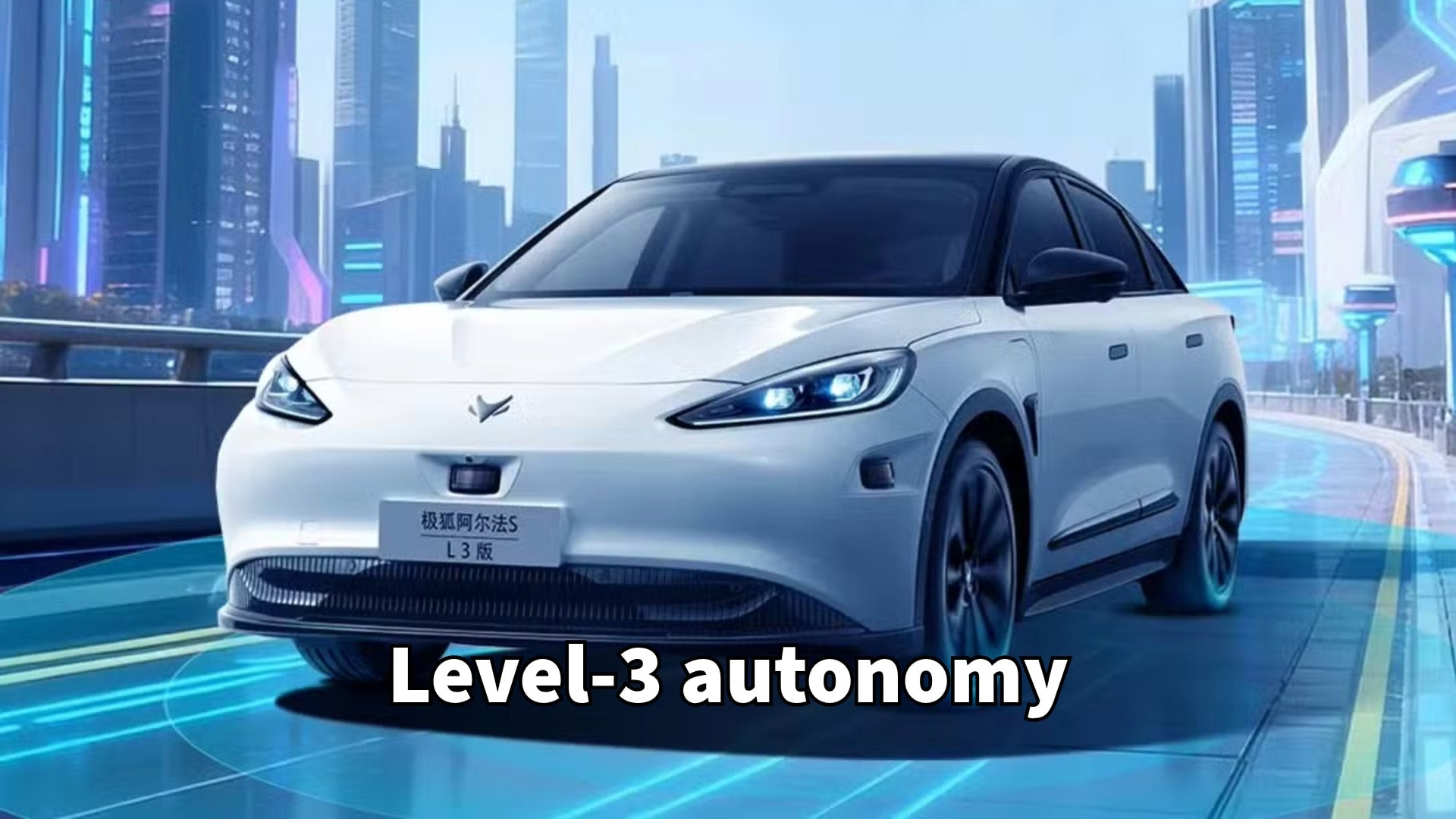
China’s Leap in Autonomous Driving: A New Era with Level-3 Capable EVs
In a groundbreaking development for the automotive industry, China has officially approved the first-ever batch of electric vehicles (EVs) equipped with Level-3 autonomous driving capabilities. This landmark decision marks a significant milestone for the nation’s automotive sector, paving the way for enhanced autonomous vehicle technologies.
Understanding Level-3 Autonomous Driving
Level-3 autonomy signifies a transformative shift in vehicle capabilities, allowing cars to operate autonomously under certain conditions without human intervention. Though a human presence remains necessary for specific scenarios, Level-3 technology permits drivers to disengage from active driving tasks during particular periods. Such advancements in autonomous technology are crucial for ensuring safer and more efficient travel experiences.
The Pioneers: Changan Auto and BAIC Motor
Changan Auto and BAIC Motor, both prominent state-owned manufacturers in China, have received the green light for their innovative EV models equipped with Level-3 capabilities. These vehicles showcase China’s technological advancements and assert the nation’s position as a leader in the autonomous driving race. Both companies have invested significantly in research and development, working towards creating vehicles that not only minimize human intervention but also enhance safety and reliability.
The Regulatory Milestone
This approval by the national regulators reflects China’s commitment to embracing and promoting technological innovations in the automotive industry. By approving these Level-3 vehicles, China demonstrates its readiness to engage with the complexities of autonomous technologies while prioritizing safety and regulatory compliance. It sets a precedent for other automakers worldwide who are targeting similar advancements in autonomous capabilities.
Implications for Global Markets
This step also highlights the potential implications for global markets, where the increasing demand for autonomous vehicles is shaping the future of urban mobility. As China pushes forward with these advancements, other countries might seek to follow suit, spurring innovations and adopting the necessary regulatory frameworks to accommodate these technological leaps. The development of such vehicles could significantly alter traffic dynamics, improve fuel efficiency, and reduce accidents globally.
The Future of Autonomous Vehicles
Looking ahead, the adoption of Level-3 autonomous vehicles represents just the start of a broader transition toward fully autonomous transportation systems. As technologies continue to evolve, and with further regulatory approvals anticipated, a new era of vehicular autonomy could soon become a reality. China’s breakthrough in autonomous driving underscores the potential for widespread shifts in how we approach mobility, pointing to a future where technology and transport seamlessly integrate.
In conclusion, the approval of Changan Auto and BAIC Motor’s Level-3 electric vehicles marks a pivotal moment in the global pursuit of automotive innovation. As these vehicles begin to hit the road, they herald a new dawn for autonomous driving, setting the stage for the next generation of smart transportation solutions.