Tesla’s Adaptive AI: A Leap Towards Safer Nighttime Driving
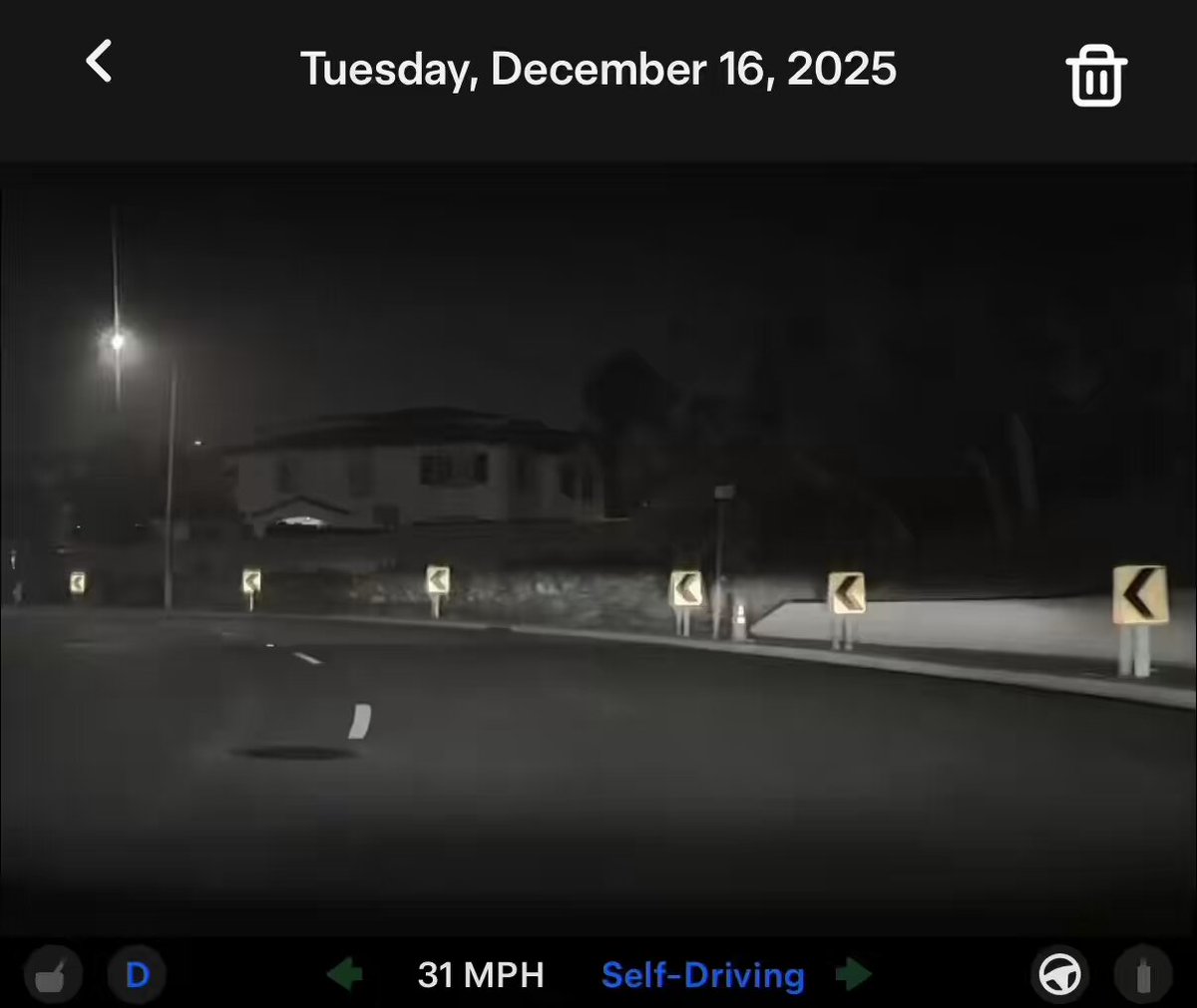
The automotive industry is witnessing remarkable transformations, largely driven by innovations in autonomous vehicle technology. Tesla’s Full Self-Driving (FSD) Supervised has recently shown its prowess by adapting to unexpected street events at night. In a demonstration of its capabilities, the system seamlessly made room for a pedestrian chasing a ball, showcasing its potential for enhancing nighttime driving safety.
The Role of Artificial Intelligence in Autonomous Driving
The heart of Tesla’s FSD lies in its advanced artificial intelligence algorithms. By processing real-time data from an array of sensors, the system makes rapid decisions to ensure driver and pedestrian safety. The adaptive responseto night-time hazards, a traditionally challenging scenario due to limited visibility, exemplifies the machine’s decision-making prowess. The encounter with the unexpected object and pedestrian highlights how AI can substantially reduce risks associated with limited human visibility.
Enhancing Safety Features in Urban Environments
Urban settings present a unique challenge for autonomous vehicles. The complexity of these environments, especially when navigation is required during night hours, demands enhanced sensory and processing abilities. Tesla’s FSD system, therefore, uses a combination of radar, cameras, and ultrasonic sensors to build a 360-degree awareness of its surroundings. This comprehensive awareness allows the system to predict human behavior optimistically, such as detecting a potential pedestrian crossing, and adjust its course accordingly.
Nighttime Driving: The Future of Safe Transport
Traditionally, driving at night has been plagued with higher accident rates, largely due to poor visibility and driver fatigue. Autonomous systems like Tesla’s aim to mitigate these risks by not only improving visibility through advanced sensors but also by eliminating human error. A vehicle capable of making informed decisions under low-light conditions is a critical innovation that could redefine safe driving standards worldwide.
The Road Ahead for Autonomous Technology
As Tesla’s FSD continues to evolve, the potential applications for safer transit grow. Future updates may allow vehicles to recognize a wider range of objects, predict multifaceted human behaviors, and interact more intuitively with their environment. These improvements are crucial as the industry strides towards complete autonomy, with the promise of reducing human reliance and revolutionizing city landscapes into smart, responsive environments.
Despite challenges, such as regulatory hurdles and public skepticism, the progress highlighted by this recent event signals a positive direction for the future of autonomous driving. Tesla’s innovations are paving new avenues not only for personal safety but also for scalability in urban infrastructure, providing a robust framework through which the vehicles of tomorrow will navigate. The integration of AI in vehicular systems marks a significant step towards making road travel safer, especially under the conditions that have historically been considered more dangerous.