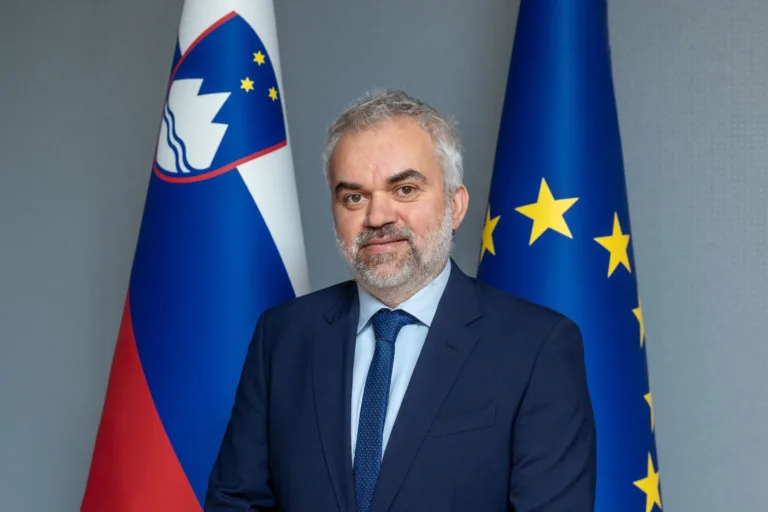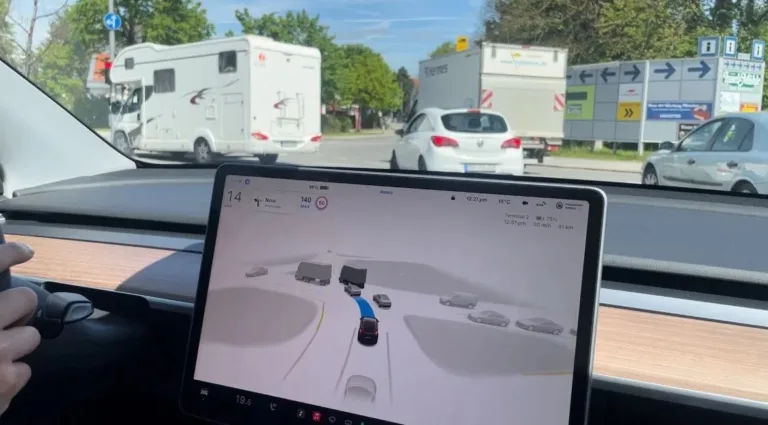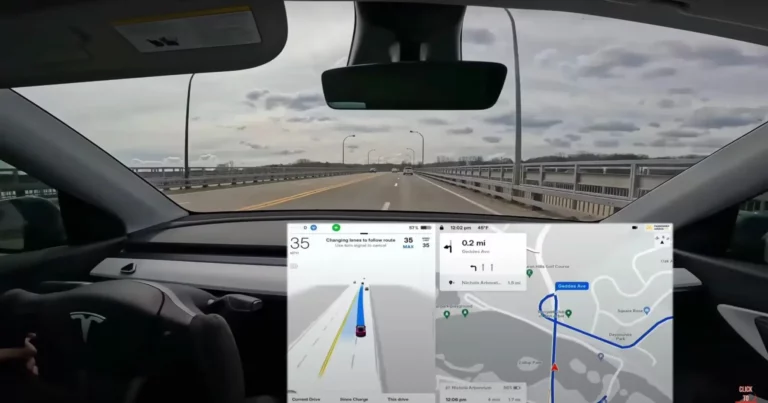
More than 7,200 Teslas registered in the Czech Republic already carry the hardware needed for FSD (Supervised), according to the country’s Minister of Transport. On 21 September 2026, Prague recognised the Dutch approval of the system. Ivan Bednárik answered Tesla Mag’s questions in writing: what he knows about the first users, the procedure followed, the driver’s responsibility, how the system is monitored, and the Czech priority for electric mobility.
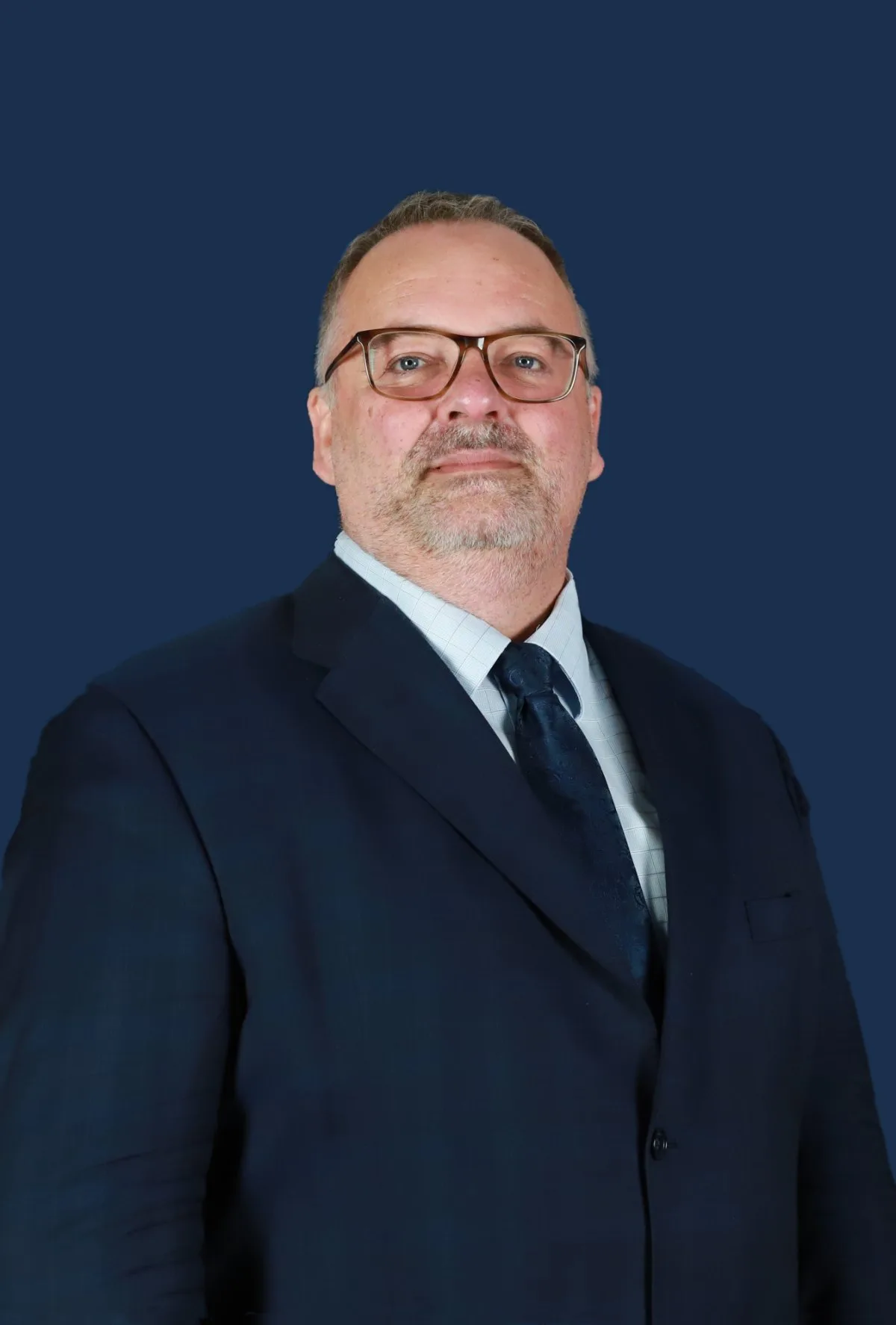
On 20 October, Tesla Mag sent a request for a written interview to the transport ministries of European countries, on supervised driver-assistance systems such as Tesla’s FSD, now called “Tesla Assisted Driving” in Europe. The office of the Czech Minister of Transport sent its answers on 30 October. They are published below as sent, without cuts. A French translation is available in the French version of this interview.
“More than 7,200 vehicles registered with AI4 hardware”
Tesla Mag: The Czech Republic recognised this approval on 21 September 2026. What first results do you see, and how many drivers use it?
Ivan Bednárik: “We do not yet know the exact number of users who have subscribed to Tesla FSD. However, there was already considerable interest among Czech drivers even before we granted provisional approval. Tesla currently has more than 7,200 vehicles registered in the Czech Republic with AI4 hardware, which enables partially automated driving using the FSD/TAD system. That does not mean, however, that all of these vehicles are actively using the system. An active subscription is required to use it. In addition, Tesla is currently offering FSD/TAD free of charge for a limited period as part of a promotional campaign. We therefore do not yet have an exact figure for the number of actual subscribers. The coming months will give us a clearer picture of the actual level of interest in the system among Czech drivers.”
“Now we need to find a common solution at the European level”
Which procedure did you follow, and what is the next step until an EU-wide decision?
Ivan Bednárik: “In the Czech Republic, we have recognised the provisional approval of Tesla FSD Supervised issued by the Dutch approval authority RDW. This means we have joined the Netherlands and five other European countries where the system can be used under specified conditions. We approached the assessment carefully and responsibly. Our experts consulted both international partners and representatives of Tesla, and safety was our top priority throughout the process. Based on all the information and data currently available, we were satisfied that the system could be made available to interested users on a provisional basis.”
Ivan Bednárik: “But now we need to find a common solution at the European level. The goal should be to have consistent rules for the use of these systems across the EU, and the Czech Republic fully supports that approach.”
This route is open to every member state: Article 39 of EU Regulation 2018/858 allows a country to recognise on its territory an approval granted by another. The Dutch authority, RDW, granted its provisional approval on 10 April 2026. An EU-wide authorisation requires a vote of the member states, which has not yet taken place.
“The responsibility remains entirely with the driver”
Which conditions apply, or would apply, to drivers: attention, liability, roads covered?
Ivan Bednárik: “With Tesla FSD Supervised, the car can handle some driving tasks on its own, but we are certainly not talking about a fully autonomous vehicle. It is still a Level 2 driver-assistance system under the SAE classification. The driver must pay attention at all times, monitor what the system is doing and be ready to take control immediately. The responsibility for driving the vehicle therefore remains entirely with the driver.”
Tesla keeps reporting data to the Dutch authority
How will the authorities monitor these systems once in use, and with which data?
Ivan Bednárik: “Approval does not mean the end of monitoring. Tesla continues to provide the Dutch authority RDW with data on how the system is performing, particularly when it comes to safety and any incidents that may occur. If a serious issue comes up, we will address it together with RDW and the relevant European authorities.”
Ivan Bednárik: “And of course, when it comes to accidents or traffic violations on Czech roads, our authorities deal with them just as they would with any other vehicle.”
The priority for 2027: charging that is everywhere and reliable
Beyond driver assistance, what is your priority for electric mobility in 2027: charging network, reliability, prices?
Ivan Bednárik: “Our priority is to continue expanding the charging infrastructure for electric vehicles and to make sure it is both widely available and reliable. The number of electric vehicles on Czech roads is gradually increasing, and the network of public charging points needs to keep pace.”
Ivan Bednárik: “That is why we are working with regions and municipalities to plan the development of charging infrastructure and to target investment where it reflects the actual needs of drivers. The National Action Plan for Clean Mobility also provides an important framework for us, setting the direction for the further development of electromobility and helping us make effective use of both European and national funding.”
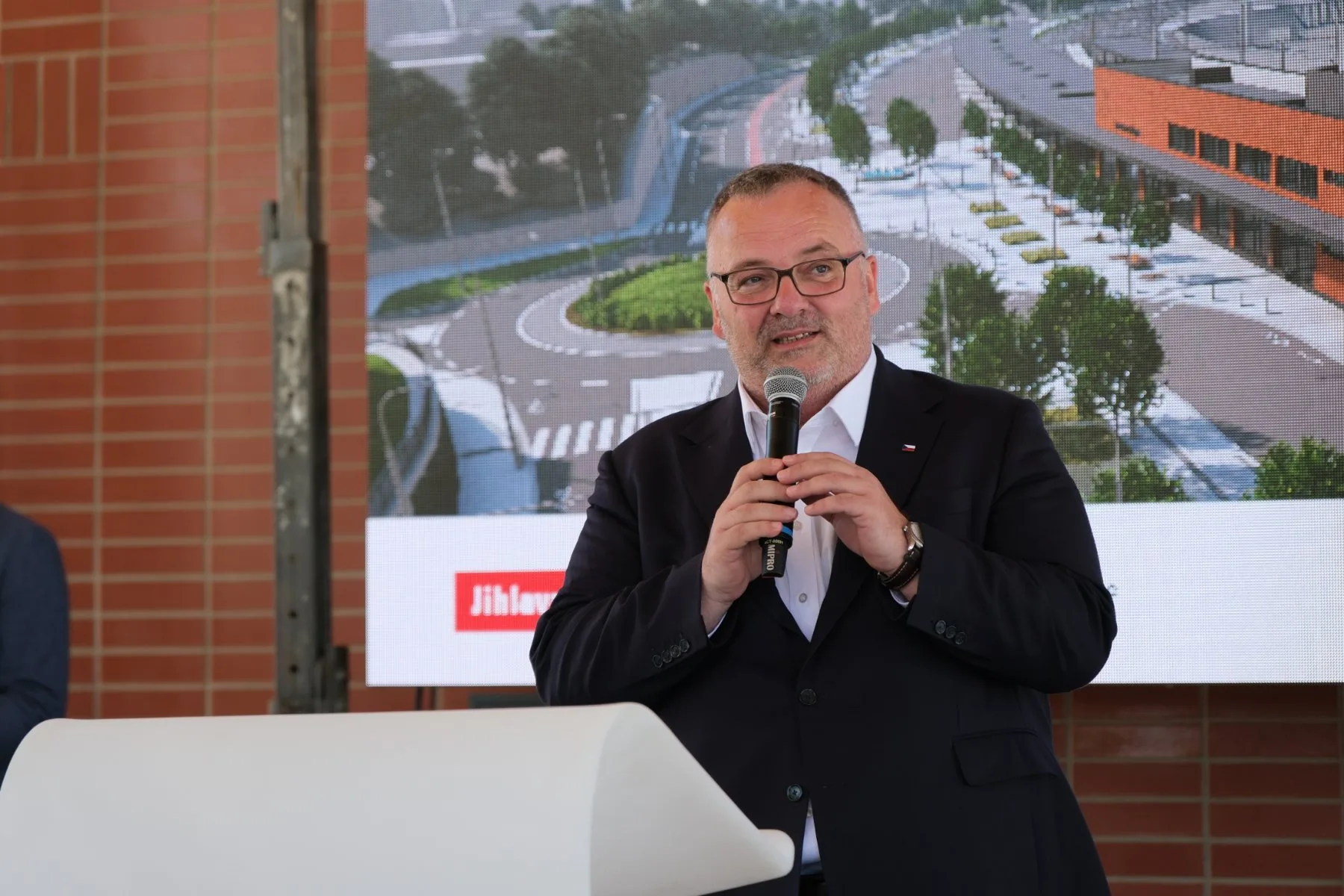
Written interview. Answers by Ivan Bednárik, Minister of Transport of the Czech Republic, sent by the Minister’s office on 30 October 2026. Photos: Ministry of Transport of the Czech Republic.
FSD and Europe’s governments. On 20 October 2026, Tesla Mag launched a written consultation of the transport authorities of 28 European states on Tesla’s FSD (Supervised). Official answers, commitments and refusals: follow the consultation, state by state, in our dossier.
Cet article a été produit avec l’assistance d’outils d’intelligence artificielle, sous la responsabilité du directeur de la publication. Notre charte IA