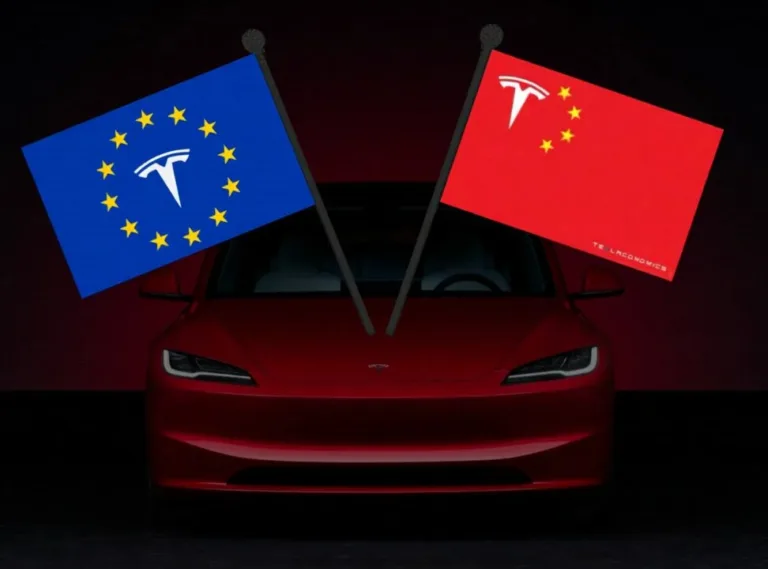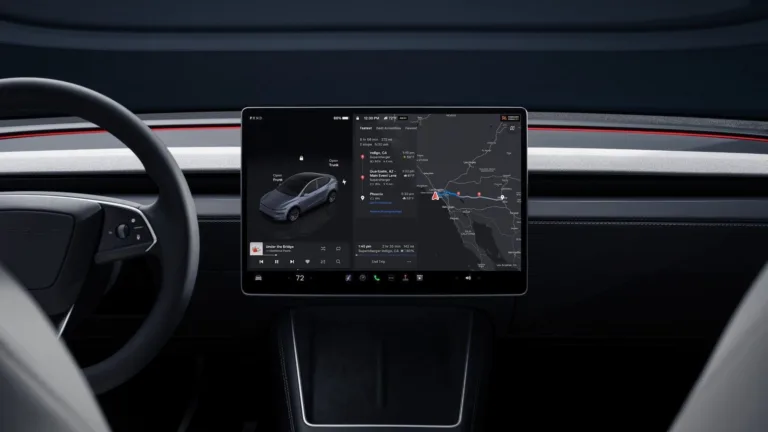
On 21 September 2026, the Czech Ministry of Transport recognised the provisional type approval granted to Tesla’s FSD (Supervised) by the Dutch authority RDW, making Czechia the seventh EU country to allow the system on its roads. The move comes two weeks before EU member states resume talks on the Dutch request in Brussels, ahead of the vote that will decide FSD Supervised’s fate across the entire European Union.
Seven countries in, ahead of a bloc-wide vote
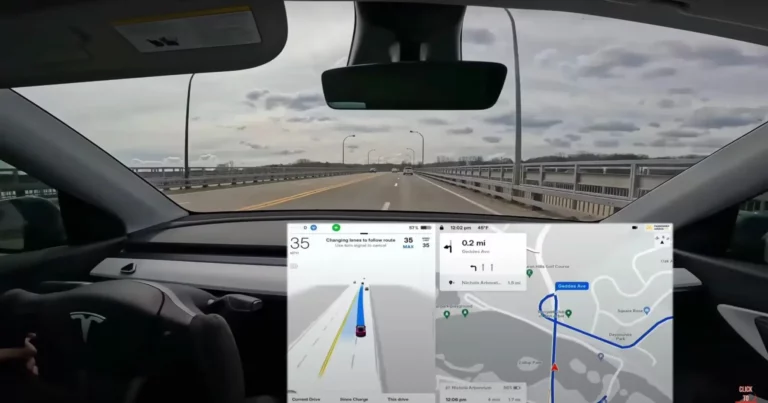
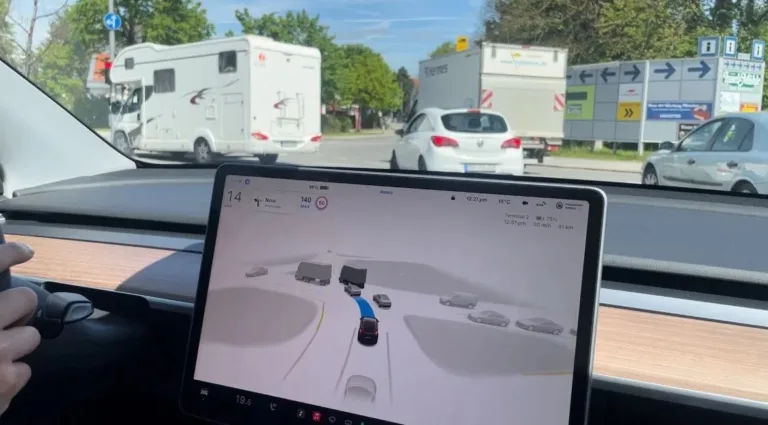
FSD Supervised is now recognised in the Netherlands, Denmark, Belgium, Estonia, Lithuania, Slovenia and, as of last week, Czechia. All seven approvals trace back to the same source: the provisional type approval the Dutch RDW issued in April 2026 under UN Regulation 171, paired with an exemption under Article 39 of EU Regulation 2018/858. The Czech Ministry of Transport said its own review, conducted with Czech and international experts alongside Tesla, looked specifically at how the system reads traffic signs and speed limits and how it monitors driver attention — and stressed that, despite the name, FSD Supervised remains an SAE Level 2 system: responsibility for driving stays fully with the driver.
France’s reversal, and the road to an EU vote
France rejected FSD Supervised in its then-current form in July 2026. That changed on 2 September, when Transport Minister Philippe Tabarot held a video call with Elon Musk; French authorities are now road-testing two FSD-equipped vehicles to inform their position, short of a full homologation campaign. The European Commission’s official draft agenda for the 6 October 2026 meeting of the EU’s Technical Committee on Motor Vehicles (TCMV), dated 11 September, only lists a continuation of discussions on the Dutch request, with no vote scheduled. When the vote does come, a qualified majority needs at least 15 of the 27 member states, together covering 65% of the EU’s population — and if it passes, the European Commission would issue an implementing act letting the RDW’s type approval apply across the whole EU at once.
What Tesla is putting on the table
Sweden’s government came out in support of EU-wide approval on 1 September 2026; Spain has said it won’t move unilaterally and will wait for the TCMV vote. Ahead of 6 October, Tesla has been pointing regulators to real-world usage data from the countries already live: more than 70,000 customers, over one million kilometres driven per day, and a claimed crash rate roughly 4.1 times lower than manual driving over the preceding five months. Whether that evidence is enough to move the holdouts is exactly what the eventual EU vote will test.
Correction, 1 October 2026: we previously reported, citing Germany’s Federal Ministry of Transport, that the TCMV would vote on 6 October. The European Commission’s official draft agenda, dated 11 September, only lists a continuation of discussions on the Dutch request, with no vote scheduled.
Cet article a été produit avec l’assistance d’outils d’intelligence artificielle, sous la responsabilité du directeur de la publication. Notre charte IA