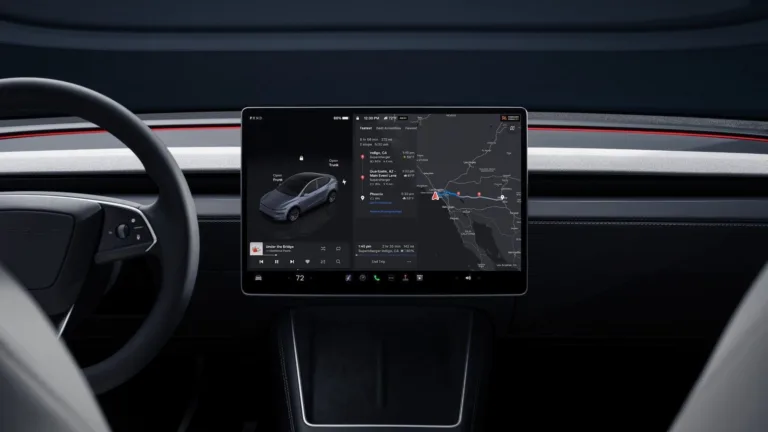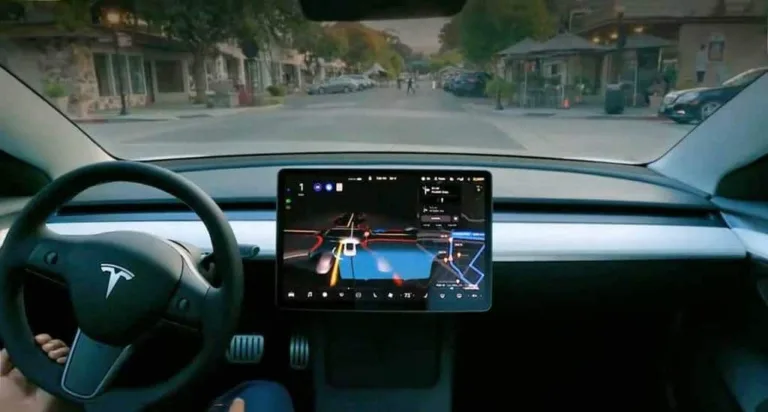
Slovenia did not wait for Brussels. On 7 September 2026, it recognised the Dutch approval of Tesla’s FSD (Supervised), becoming the sixth country in the European Union to do so. On 20 October, its Parliament adopted the rules that govern its use. Marko Dvornik, State Secretary for Mobility and Transport, answered Tesla Mag’s questions in writing: what the law requires of drivers, what the police can check, and Slovenia’s priority for electric mobility.
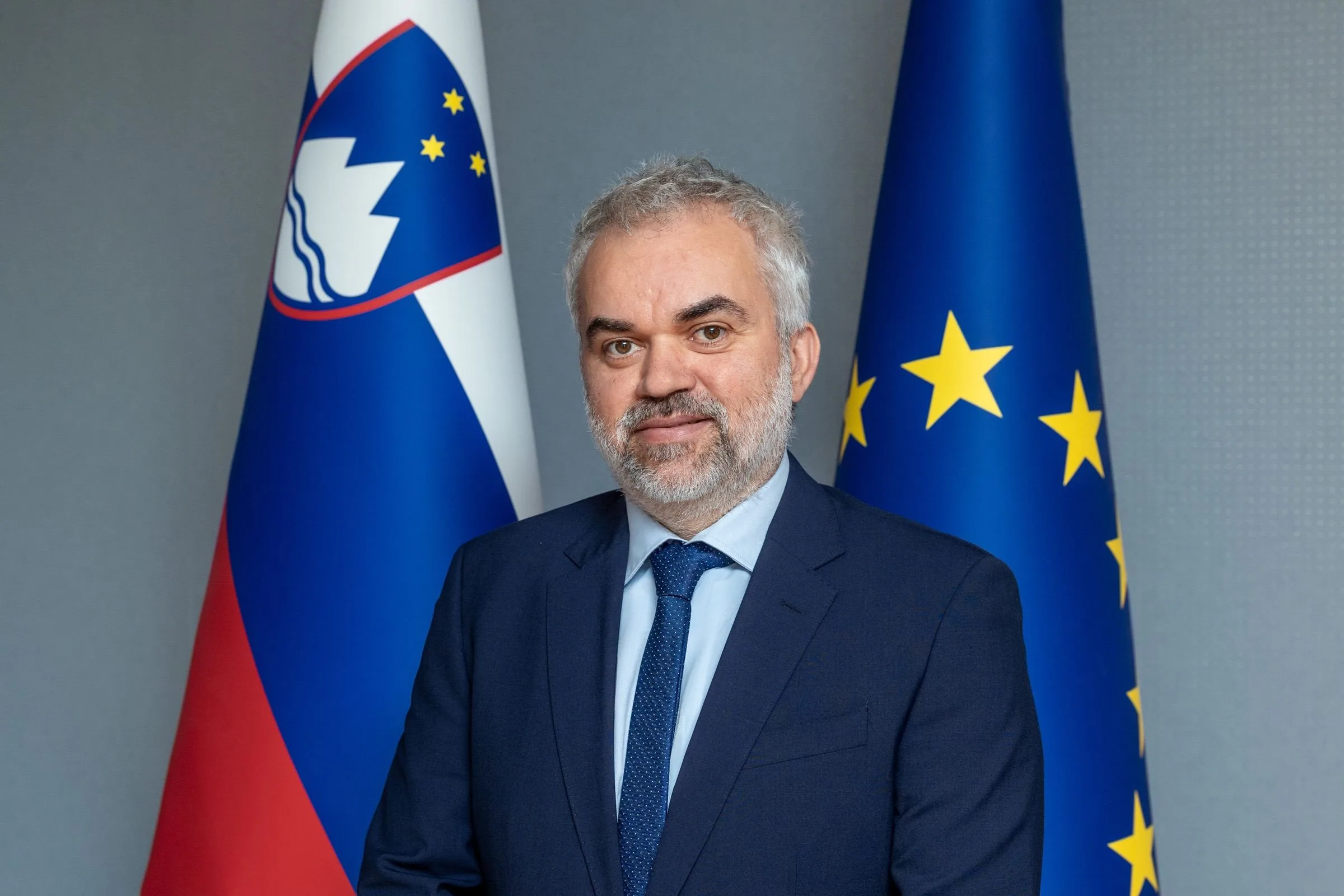
On 20 October, Tesla Mag sent a request for a written interview to the transport ministries of European countries, on the place of supervised driver-assistance systems such as Tesla’s FSD, renamed “Tesla Conduite Assistée” in France. The Slovenian Ministry of Infrastructure and Energy replied on 23 October on behalf of its State Secretary. In the French article, his answers are translated by Tesla Mag, without cuts; below, they are quoted as sent.
“The same rules apply to all approved systems, not just Tesla”
Tesla Mag: Where does Slovenia stand on Tesla’s FSD (Supervised) and comparable systems?
Marko Dvornik: “Slovenia supports the introduction of advanced driver-assistance technologies, with road safety as our main priority. On 7 September 2026, we recognised the Dutch provisional approval of Tesla’s FSD (Supervised), becoming the sixth EU country to do so. Our approach is technology-neutral, meaning the same rules apply to all approved systems, not just Tesla.”
Why Ljubljana did not wait for the EU decision
Which procedure did Slovenia follow: national recognition of the Dutch approval, or waiting for the EU decision? With what timeline?
Marko Dvornik: “We chose to recognise the Dutch approval at national level rather than wait for a final EU decision. This was completed on 7 September 2026. Our Parliament adopted the necessary legislative amendments on 20 October, and the new rules will apply from the day after their publication in the Official Gazette.”
This route is open to every member state: Article 39 of EU Regulation 2018/858 allows a country to recognise on its territory an approval granted by another. The Dutch authority, RDW, granted its approval on 10 April 2026, on a provisional basis. An approval valid across the Union requires a vote of the member states, which has not yet taken place.
“They remain fully responsible for driving safely”
Which conditions apply to drivers: attention, liability, roads covered?
Marko Dvornik: “Drivers must remain attentive, monitor traffic and be ready to take control at any moment. They remain fully responsible for driving safely and following traffic rules. Approved systems can be used on public roads within their technical limits, and if road, traffic and weather conditions allow it.”
What the police can check, and what they cannot access
How will the authorities monitor these systems once in use, and with which data?
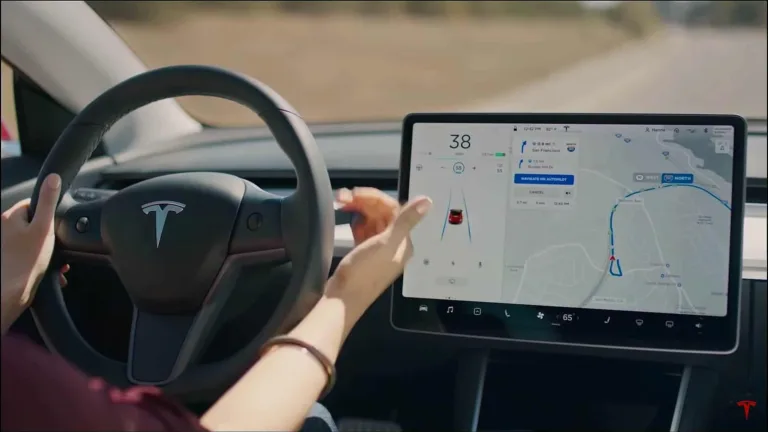
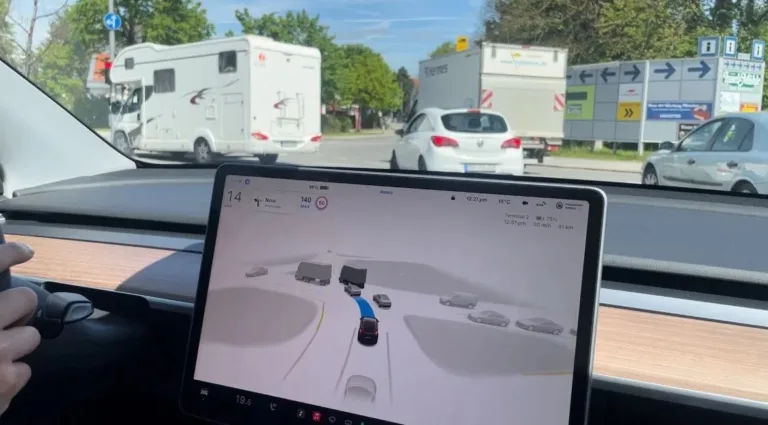
Marko Dvornik: “The Dutch authority remains responsible for monitoring technical compliance, while Slovenian police enforce traffic rules. Police officers may check whether an approved system was active by looking at the vehicle’s display. They cannot access personal data or download information from the vehicle.”
The priority for 2027: the electricity grid
Beyond driver assistance, what is your priority for electric mobility in 2027: charging network, reliability, prices?
Marko Dvornik: “Our priority is to strengthen the electricity grid to support the development of electric mobility and charging infrastructure.”
And France?
According to Tesla, FSD (Supervised) is available in nine European Union countries, used by more than 100,000 customers who have driven more than 160 million kilometres. France is not one of them. When presenting its results on 21 October, Elon Musk said he hoped for an EU-wide approval “maybe within a few months”, and would be “surprised” if it took longer than the first quarter of 2027. That timeline is not in Tesla’s hands.
For the safety record Tesla publishes on FSD, read our analysis of the FSD safety report. Drive a Tesla in France? Register your car on Mon Tesla Mag to receive our interviews as soon as they are published.
Written interview. Answers from Marko Dvornik sent by the Public Relations Service of the Slovenian Ministry of Infrastructure and Energy on 23 October 2026. Tesla figures: third-quarter 2026 update and earnings call of 21 October 2026.
FSD and Europe’s governments. On 20 October 2026, Tesla Mag launched a written consultation of the transport authorities of 28 European states on Tesla’s FSD (Supervised). Official answers, commitments and refusals: follow the consultation, state by state, in our report.